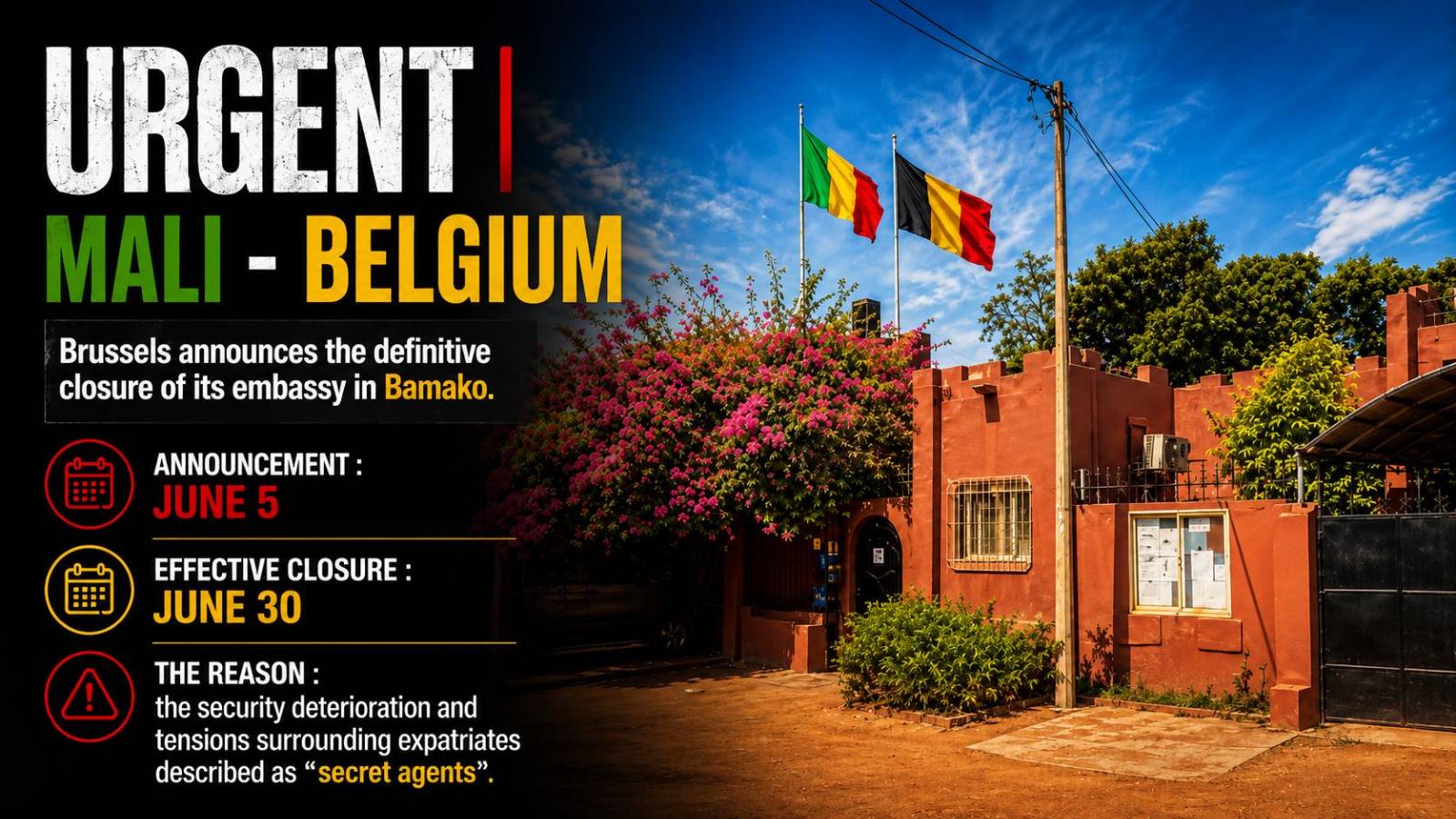
In a decisive move that underscores the escalating tensions between Western nations and the Malian authorities, Belgium has announced the permanent closure of its embassy in Bamako. Effective June 30, this decision marks the end of longstanding bilateral cooperation that once spanned decades. The announcement, delivered through an official statement, reflects growing concerns over security risks and the deteriorating political climate in the country.
End of an era for Mali-Belgium relations
The Belgian Ministry of Foreign Affairs made the announcement on June 5, sending shockwaves through diplomatic circles in Bamako. The closure, slated for June 30, signifies not just the withdrawal of a key European partner but also the culmination of years of collaborative efforts in development, humanitarian aid, and cultural exchanges. Belgium was instrumental in funding critical projects across northern and central Mali, including initiatives focused on clean water access, reproductive health, and basic education.
For Mali, this departure is more than symbolic—it represents the loss of a trusted ally that once played a pivotal role in shaping the country’s socio-economic landscape. The timing of this withdrawal coincides with a broader trend of Western disengagement, leaving Bamako increasingly reliant on alternative partners, most notably Russia.
Security concerns drive Brussels’ decision
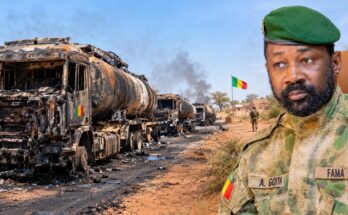
The primary driver behind Belgium’s decision is the alarming deterioration of Mali’s security situation. Since the withdrawal of French forces from Operation Barkhane and the exit of the UN’s MINUSMA mission, instability has surged across the country. Armed groups have intensified their activities, targeting major roads and urban centers with growing frequency.
For Belgium, the safety of its diplomatic staff and citizens could no longer be assured beyond June 30. The Belgian government concluded that the current political and military environment in Mali no longer provides a viable framework for sustaining development assistance. Without reliable security guarantees or a stable operating environment, maintaining a full-fledged embassy was deemed an unjustifiable risk.
The shadow of suspicion: expatriates under fire
Beyond the security vacuum, another critical factor has accelerated Belgium’s withdrawal: the wave of arbitrary arrests targeting foreign nationals in Bamako. Over recent months, the Malian transitional authorities have ramped up accusations of espionage, labeling expatriates—including development experts, humanitarian workers, and consultants—as potential threats to national stability.
The systematic branding of foreign professionals as “secret agents” has fostered a climate of fear and distrust. Prolonged detentions of European civilians, often without clear legal justification or adherence to consular protocols, have left international partners with little confidence in the fairness of Mali’s judicial processes. These conditions have made it nearly impossible for foreign organizations to operate effectively on the ground.
Local consequences of a global withdrawal
The closure of Belgium’s embassy will have immediate and tangible effects on Mali’s most vulnerable populations. The embassy oversees numerous direct aid programs, including water sanitation projects, maternal health initiatives, and primary education support. The suspension or redirection of these funds to neighboring countries risks leaving communities without critical resources, deepening humanitarian challenges.
Additionally, Malian citizens seeking visas for travel, education, or business within the Schengen zone will face heightened obstacles. With Belgium’s embassy closed, applicants will need to rely on other European missions, many of which are already overwhelmed, or travel to bordering countries to complete essential administrative procedures.
Mali’s diplomatic isolation: a strategic misstep?
Belgium’s departure is not an isolated incident but part of a broader pattern of estrangement between Bamako and its traditional European partners. By severing ties with longstanding allies and escalating its rhetoric against Western expatriates, Mali risks accelerating its diplomatic isolation at a time when economic and security challenges demand global cooperation.
While this hardline approach may resonate with sections of Mali’s nationalist public, it ultimately weakens the country’s position on the international stage. The loss of a moderate European interlocutor like Belgium further undermines Mali’s ability to navigate complex global dynamics, leaving it more exposed to the very instability it seeks to combat.