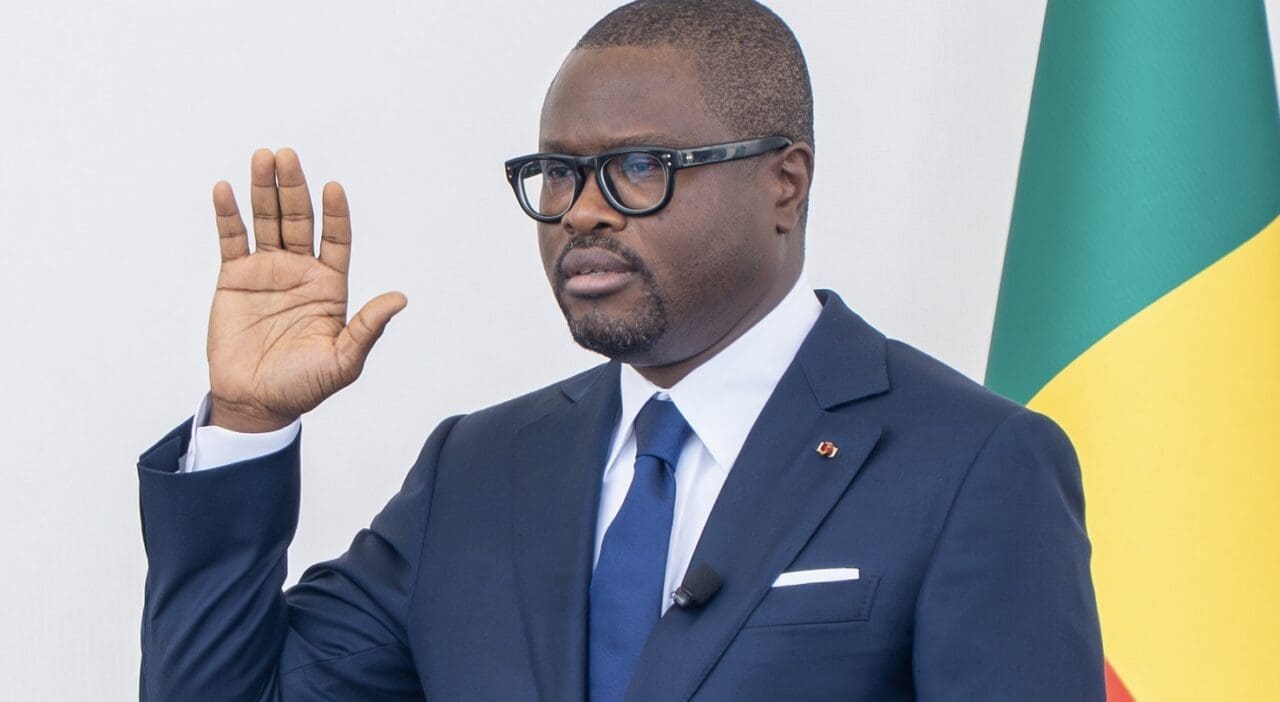
Cotonou became the epicenter of West African diplomacy on Sunday, May 24, as leaders from politics and business gathered for Romuald Wadagni’s presidential inauguration. The sprawling Palais des Congrès esplanade buzzed with activity, hosting an impressive lineup of dignitaries, including Nigerian Vice President Kashim Shettima, Ivorian Prime Minister Robert Beugré Mambé, and Niger’s Prime Minister Ali Mahamane Lamine Zeine. The presence of these figures underscored the new president’s growing international credibility, a reputation he cultivated during his tenure as Finance Minister.
Diplomatic momentum signals regional unity
The ceremony drew over 16 foreign delegations, a testament to the strategic importance of Wadagni’s leadership. While protocol traditionally excludes sitting heads of state from oath-taking events, the attendance of high-ranking officials from neighboring nations like Nigeria and Côte d’Ivoire highlighted Benin’s deepening economic and political alliances along the West African coast.
A defining moment came when the names of key ministers from Niger, Burkina Faso, and Mali were announced. The crowd erupted in applause, reflecting public enthusiasm for the president’s commitment to regional cooperation. This warmth was echoed by Niger’s envoy, who told local reporters, «This marks the dawn of a new chapter», emphasizing the shared resolve to tackle transnational challenges like terrorism through collective action. Wadagni, who had campaigned on a platform of regional solidarity, reinforced this vision in his speech, declaring, «Our nations are bound by destiny—we must unite to thrive».
Business elite flock to celebrate economic optimism
The inauguration transcended political symbolism, evolving into a high-powered economic forum. Africa’s most influential entrepreneurs and investors were prominently featured, including Nigerian billionaire Aliko Dangote, Franco-Malagasy tycoon Hassanein Hiridjee of the Axian Group, and Ivorian businessman Adama Bictogo, CEO of Snedai Group. Their attendance alongside Makhtar Diop, CEO of the International Finance Corporation (IFC), signaled strong confidence in Benin’s economic trajectory.
Wadagni’s fiscal stewardship as Finance Minister has been pivotal in reshaping perceptions. Under his guidance, Benin achieved one of Africa’s fastest growth rates, with a projected 6.5% expansion in 2026. His policies boosted domestic revenue past the 1,000 billion FCFA mark while keeping public debt below 55% of GDP—a balance that reassured global investors and multilateral lenders alike.
This credibility has unlocked transformative projects, most notably the Glo-Djigbé Industrial Zone (GDIZ), a flagship initiative developed with Arise IIP. Already responsible for over 25,000 jobs and the country’s first textile exports to Europe and the U.S., GDIZ stands as a model for local value addition and industrialization. With plans to expand, it embodies Benin’s ambition to become a continental hub for manufacturing and trade.
The turnout in Cotonou wasn’t just a tribute to Wadagni’s past achievements—it was an endorsement of his vision for the future. As the sun set on that historic day, one message was clear: Benin is ready to lead, innovate, and partner in shaping a more prosperous West Africa.