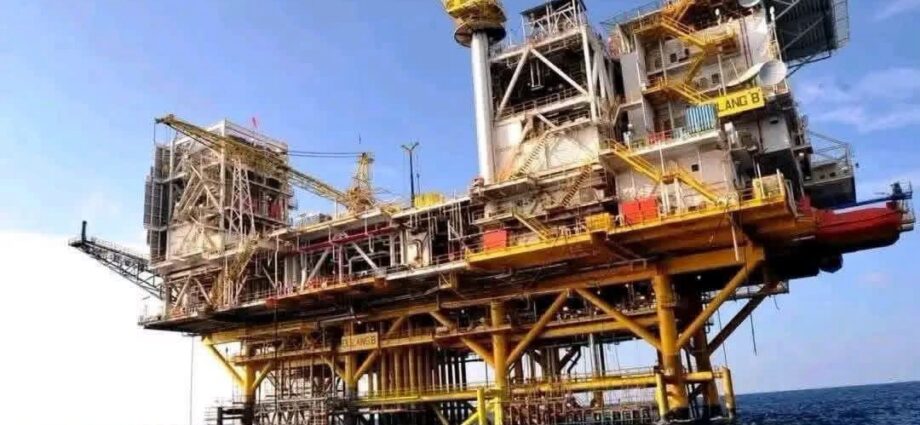
After nearly three decades on hiatus, Benin has re-entered the global oil market with the dispatch of its first crude oil shipment. A tanker loaded with approximately 330,000 barrels from the offshore Sèmè oil field is en route to Rotterdam, marking the resumption of commercial operations at a once-abandoned resource.
From dormancy to commercial production: the revival of Sèmè oil field
The shipment aboard the Kriti Jade represents a historic milestone for Benin’s energy sector. The oil field, located off the country’s coast, operated intermittently between 1982 and 1998 before production stalled due to technical constraints, declining output, and economic headwinds. Nearly 30 years later, the field has been rehabilitated under the management of Akrake Petroleum Bénin, enabling the country to resume exports of its own crude.
The first quarter of 2026 saw the resumption of production, followed by the successful loading and departure of the cargo. While the exact arrival date in Rotterdam remains unconfirmed, maritime tracking data suggests the vessel is scheduled for mid-November 2026.
A strategic addition to Benin’s economic toolbox
The restart of Sèmè’s operations introduces a new dimension to Benin’s economic landscape. Historically reliant on agriculture, port activities, and services, the country now gains a fresh revenue stream that could bolster foreign exchange earnings and reduce dependence on volatile import markets. Though Benin will not rival major oil producers, the initiative strengthens its position in the energy sector and enhances its economic resilience.
The financial impact hinges on multiple variables: global oil prices, production volumes, operational costs, and contractual arrangements with operators. Transparency in revenue sharing, commercial terms, and state allocations will be critical in determining the project’s long-term benefits for public finances.
Beyond oil: unlocking broader economic spillovers
The benefits of the project extend beyond direct crude sales. Offshore operations can invigorate ancillary industries such as maritime logistics, industrial maintenance, engineering, and vocational training. Local businesses stand to gain if policies prioritize domestic participation, fostering job creation and skill development within the energy sector.
Moreover, the revival of Sèmè sends a signal to international investors, demonstrating Benin’s capacity to rehabilitate legacy assets, engage specialized partners, and deliver production to global markets. However, sustained investor confidence will depend on regulatory stability, transparent governance, and operational consistency.
Crude export vs. domestic fuel needs: clarifying the distinction
It is essential to recognize that exporting crude oil does not equate to cheaper refined fuels at home. The Sèmè output is an unprocessed commodity destined for international buyers, not a direct source of gasoline or diesel for local consumption. Without a functioning refinery, Benin will continue importing refined petroleum products to meet domestic demand a scenario that does not contradict its new export role.
Looking ahead, long-term assessments may explore the feasibility of local refining. Such a shift would require evaluating resource volumes, crude quality, national demand, infrastructure costs, and profitability. Retaining greater value within the economy would depend on these critical factors.
The sustainability challenge: balancing production and protection
While the first shipment is a cause for celebration, the road ahead presents significant hurdles. Offshore extraction demands continuous investment, rigorous technical oversight, and stringent environmental safeguards to mitigate risks to marine ecosystems. Ensuring operational safety and ecological integrity will be non-negotiable as production scales up.
Questions also loom over the field’s long-term viability. Will Sèmè sustain sufficient output to justify ongoing expenses? Can cargo volumes remain consistent, or will geophysical realities limit production? The answers will shape Benin’s ability to convert this resource into lasting economic value.
Revenue management: turning oil into opportunity
One of the most pressing challenges lies in how revenues are harnessed. To prevent this initiative from becoming merely an export operation, public funds must be channeled into productive investments infrastructure, energy access, education, and health. Regular disclosure of production data and revenue allocations will be vital for transparency and public accountability.
The resurgence of Sèmè’s oil field is more than a logistical feat; it is a test of Benin’s ability to transform a dormant asset into a pillar of sustainable development. Success will be measured not in barrels shipped, but in jobs created, skills built, and resources reinvested for the nation’s future.
By AMINATA KABORE — Journalist
Comments are closed, but trackbacks and pingbacks are open.