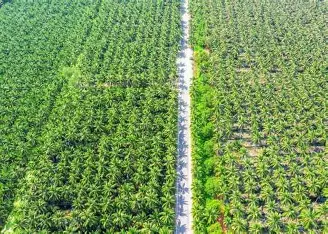
In a strategic move to bolster its agricultural sector and enhance food security, Benin has secured a significant financial commitment from the Islamic Development Bank. The newly approved funding of 12.57 billion CFA francs will be directed toward modernizing the country’s agricultural infrastructure, with a primary focus on restoring soil fertility—a critical challenge exacerbated by the escalating impacts of climate change.
Strategic diversification of funding sources
The selection of the Islamic Development Bank as a partner reflects a deliberate shift in Benin’s financial strategy. By engaging with this institution, the government in Porto-Novo is reducing its long-standing reliance on traditional lenders, including Bretton Woods institutions and Western bond markets, where interest rates remain prohibitively high. The Islamic financing model, grounded in risk-sharing and asset-backed arrangements, offers a viable solution for long-term infrastructure development, aligning perfectly with the nation’s developmental goals.
Economic pragmatism drives agricultural resilience
The decision to prioritize soil fertility is not merely an environmental consideration but an economic imperative. By fortifying agricultural lands against the ravages of droughts and floods, Benin is taking proactive steps to safeguard its gross domestic product (GDP). This forward-thinking approach mitigates the need for costly emergency food imports, thereby conserving foreign exchange reserves. Ultimately, the initiative reinforces the country’s trade balance while reinforcing its economic independence.
Comments are closed, but trackbacks and pingbacks are open.