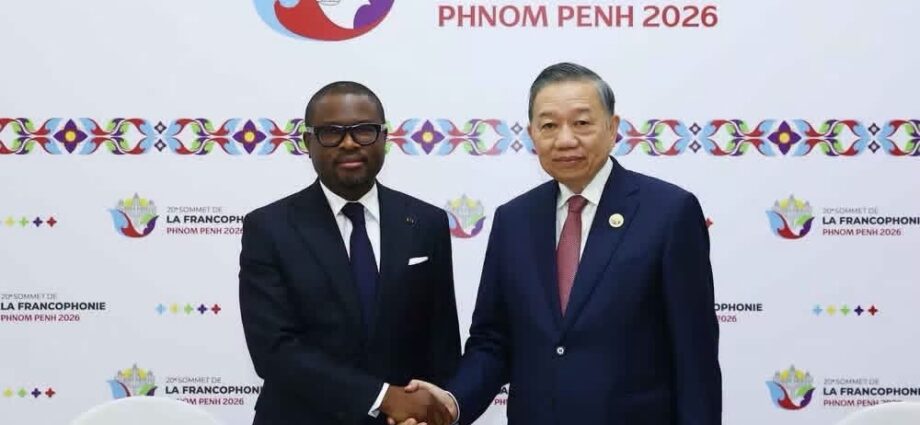
Diplomatic breakthrough sets stage for economic transformation
On November 15 in Phnom Penh during the Francophonie Summit, Beninese Finance Minister Romuald Wadagni engaged in his first official dialogue with Vietnamese counterpart Tô Lâm. Beyond diplomatic protocol, the meeting marked a potential turning point in bilateral economic relations, with five priority sectors on the agenda: rice, cashews, cotton, aquaculture, and port infrastructure.
The immediate question facing Benin is whether this partnership will serve as a springboard for industrial development or merely reinforce its role as a raw material supplier. The stakes could not be higher for the West African nation’s economic future.
Cashew industry exposes partnership paradox
Vietnam’s robust cashew processing industry has positioned it as a global leader in the sector. Meanwhile, Benin produces high-quality raw cashews that could feed Vietnamese processing plants. This complementarity presents a golden opportunity but with a critical caveat: will Benin remain confined to exporting unprocessed nuts while Vietnam reaps the benefits of industrial transformation?
True economic value in cashew production lies not in cultivation alone, but in every subsequent stage: hulling, packaging, processing, marketing, and industrial development. Each phase completed domestically creates jobs, builds local expertise, strengthens businesses, and retains wealth within Benin’s borders.
The government faces a strategic choice: attracting buyers or attracting investors who will establish processing facilities on Beninese soil. The first is a commercial transaction; the second is an economic transformation with lasting structural impact.
From signed agreements to concrete action
An agricultural cooperation pact between the two countries was inked in 2024, yet implementation has lagged. Nearly two years later, the time for intentions has passed; the moment for execution has arrived. Benin must now ask: what has delayed progress, and how can policies be adjusted to turn promises into tangible outcomes?
The broader discussions on rice, cotton, and aquaculture follow the same critical pattern. Benin stands to gain most from partnerships that extend beyond raw material exports to include yield improvement, modern farming techniques, agro-processing, and access to new markets.
Ports and logistics: the backbone of trade expansion
Efficient ports, adequate storage, and competitive trade routes are indispensable. Without them, even the strongest commercial agreements will struggle to translate into meaningful economic growth. The infrastructure dimension of this partnership will determine whether Benin can move beyond bilateral exchanges to become a regional trade hub.
Moving from diplomacy to development
Success in international partnerships cannot be measured by the number of meetings or the length of joint statements. Real impact is measured in dollars invested, jobs created, technologies transferred, and wealth retained within the national economy.
Wadagni’s meeting signals not just a diplomatic overture, but the beginning of a more assertive economic negotiation strategy. Benin must insist on agreements that enhance its industrial capacity not just accelerate the flow of raw materials abroad.
The ultimate goal is clear: Benin must avoid becoming a passive supplier for foreign industries. Instead, it must emerge as a producer that adds value, develops talent, and ensures its resources generate prosperity for its people.
Vietnam holds potential as a key partner in this transformation. But for that potential to materialize, the partnership must catalyze a fundamental shift: shifting Benin from a mere source of raw materials to a competitive industrial player capable of capturing far greater value from its own resources.
By Alasane OUEDRAOGO — Journalist
Comments are closed, but trackbacks and pingbacks are open.