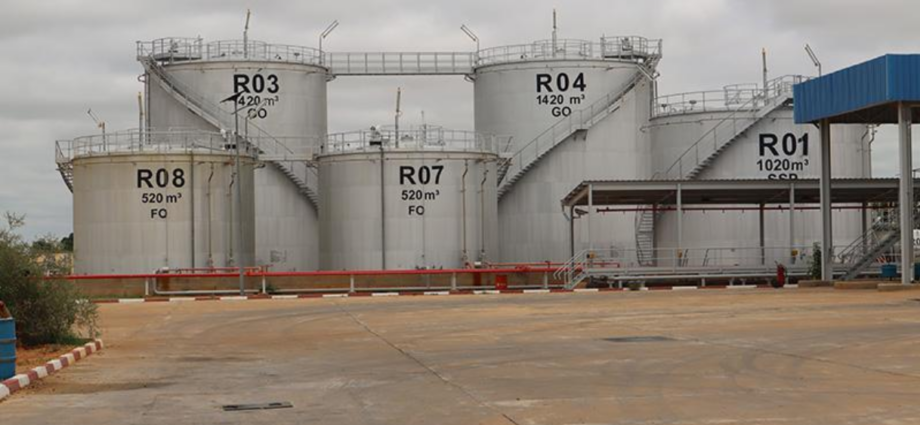
Niger is facing a high-stakes confrontation between transparency and entrenched power networks following explosive revelations of financial mismanagement in its state oil sector. The ongoing investigation into the Nigerien Oil Products Company (SONIDEP) has already uncovered irregularities totaling 7 billion FCFA—just from the initial batch of audited files. With nearly 100 additional documents still awaiting review, the probe’s abrupt halt at the hands of political interference has ignited a crisis of credibility for the regime.
Unprecedented findings trigger political intervention
The audit saga, launched by the General Inspection of State (IGE) under the directive of General Salifou Mody, began as a routine financial review but quickly escalated into a political earthquake. According to insiders familiar with the case, the examination of only two files exposed systemic financial abuses amounting to 7 billion FCFA in losses. The implications are staggering—what might the remaining 100 cases reveal?
The investigation’s sudden suspension by the military-led government under President Abdourahamane Tchiani has raised urgent questions about motives. Critics point to powerful figures within the regime whose interests allegedly overlap with the financial irregularities uncovered. The halting of the IGE’s mission at SONIDEP has emboldened accusations of a deliberate cover-up to shield allies from scrutiny.
Who benefits from halted investigations?
The premature termination of the audit raises critical questions about the government’s commitment to fighting corruption. Why does the fight against financial mismanagement halt when it reaches the inner circle of power? The move has triggered suspicion that the anti-corruption drive is selectively enforced, sparing those with political connections while targeting opponents.
The Issaka Gado factor: a strategic exile?
In a parallel development, Issaka Gado—former chairman of the refinery SORAZ and brother to a prominent political figure—has been reassigned to a diplomatic posting in Djibouti. The timing of his appointment, coinciding with heightened scrutiny of the oil sector, has fueled speculation about its true purpose.
Insiders suggest the move could be a calculated effort to neutralize a potential witness in the unfolding scandal. Gado’s deep involvement in past audits between SORAZ and SONIDEP places him at the center of sensitive revelations. His removal from the domestic arena may reflect an attempt to safeguard him—or others—from the consequences of the investigation.
SORAZ-SONIDEP: a history of broken audits
The current crisis is not an isolated incident. Past attempts to audit financial interactions between SORAZ and SONIDEP have met similar fates. Under former minister Barké, an audit initiative led to the detention of the minister and Gado himself, signaling the explosive nature of such oversight.
The pattern is clear: audits begin with reformist zeal but collapse under pressure, leaving key questions unanswered. Why do these investigations repeatedly stall? Who gains from their termination? Failure to complete these reviews perpetuates an environment of opacity around Niger’s most lucrative industry.
International audits promised but stalled
The current petroleum minister, Tini, has publicly endorsed an independent audit by global consultancy Mazars to restore confidence in the sector’s governance. A workshop held in April 2026 outlined plans to commission the firm, yet nearly eight months later, no progress has been made. The proposed audit remains trapped in bureaucratic limbo.
Speculation abounds over the reasons behind the delay. Has Mazars been officially contracted? What force is blocking the process—and why? Without an independent review, allegations of corruption and mismanagement risk remaining unresolved, further eroding public trust in government institutions.
UN corridors: the new battleground of political influence
The oil sector scandal has spilled into the diplomatic arena. A recent statement by Minister Aliou Daouda hinted at clandestine networks operating within UN corridors, allegedly supporting remnants of the former regime. While no direct link has been established, Issaka Gado’s reassignment to Djibouti raises further questions about whether diplomatic postings are being used to relocate officials entangled in sensitive domestic cases.
Are these appointments driven solely by national interests, or do they serve as political safe havens? The ambiguity surrounding such moves deepens public distrust in the government’s transparency rhetoric.
Oil riches: a source of national wealth and elite rivalry
The SONIDEP and SORAZ companies are vital to Niger’s economy, managing billions in oil revenues. The uncovered irregularities—already conservatively estimated at 7 billion FCFA—are only the beginning. The real scandal lies not in the sums involved, but in the apparent obstruction of justice.
Nigeriens deserve full disclosure. Every irregularity must be documented. Every responsible party held to account. Any interference in the audit process must be justified. The fight against corruption cannot be a selective tool, wielded only against political opponents while protecting allies. Without fair and transparent scrutiny, the regime’s credibility is at stake.
As the oil sector’s secrets continue to emerge, one truth becomes undeniable: this is no longer just a financial scandal. It is a test of governance, a clash between reform and resistance, and a defining moment for the future of transparency in Niger.
Comments are closed, but trackbacks and pingbacks are open.