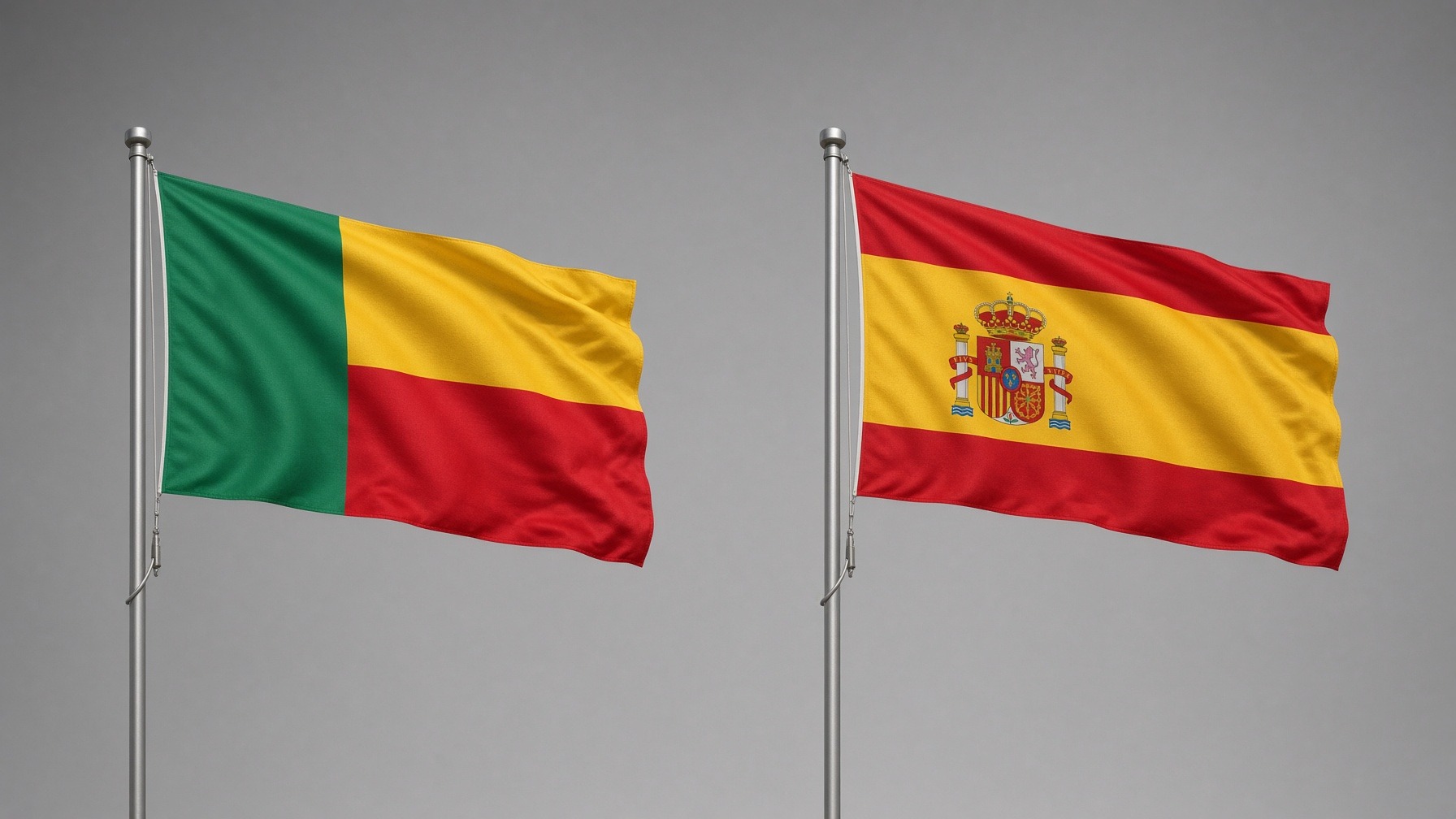
The cultural partnership taking shape between Cotonou and Madrid is no longer a quiet diplomatic footnote. It has become a genuine talking point in both countries, sparking reactions from artists, cultural operators, tourism professionals and observers who now want to know one thing: what happens after the applause fades? The excitement is real, but so is the scrutiny. A partnership announced with this much ambition will ultimately be judged on delivery, not on ceremony.
Why the announcement resonated so widely
Between Benin and the Kingdom of Spain, the connection now carries the weight of serious intent. By opening new avenues of cultural cooperation, the two nations are doing more than bringing two peoples closer together. They are laying the groundwork for a model partnership — modern, bold and results-oriented — in which heritage, contemporary creation and high-value tourism serve as genuine engines of international influence.
That ambition explains the volume of reaction. In Benin, where culture has been elevated to a pillar of national development, the public read the news as confirmation of a direction already underway. In Spain, cultural and tourism operators saw an opening toward a region whose creative energy is drawing growing attention.
A shared vision that puts creators first
This renewed momentum reflects a striking strategic convergence between Spanish diplomacy and the Ministry of Tourism, Culture and the Arts. Far from protocol-driven declarations of intent, the two nations are building a concrete bridge centred on:
- Artistic excellence: ambitious programmes of cross-residencies and expertise-sharing between visual artists, performers and heritage restorers.
- Heritage promotion: Africa and Europe share a fierce commitment to preservation and museum enhancement, with Spain contributing its long-standing expertise in cultural and tourism engineering.
- Growth of creative industries: professional structuring focused on training for stagecraft professions and the digitisation of artworks.
For the creators who stand to benefit most, the debate has shifted from symbolism to substance. Residencies, training and digital tools are the kind of commitments that can be measured — and that is precisely what the artistic community now expects to see.
Benin as a cultural crossroads and a model of soft diplomacy
By multiplying high-level alliances of this kind, Benin confirms its standing as a cultural heavyweight in the West African sub-region. Driven by a determined government policy that treats arts and tourism as pillars of socio-economic development, the country is demonstrating that cultural diplomacy is the most powerful lever for asserting sovereignty and attracting the world’s most demanding partners.
This productive symbiosis with the Kingdom of Spain marks the beginning of a new era — a human, aesthetic and strategic venture that points the way toward a renewed intercontinental dialogue built on mutual respect, a passion for beauty and a constant pursuit of excellence.
What comes next: from praise to proof
The coming months will be decisive. Observers will be watching for the first concrete signals: signed agreements, funded residencies, exchange calendars and training cohorts. Cultural diplomacy of this scale succeeds only when the enthusiasm of the launch is matched by the patience of implementation.
If Benin and Spain can turn their shared vision into tangible opportunities for creators, guides, small cultural businesses and tourism operators, this partnership could become a reference point for how continents work together. If not, the debate will return — louder and less forgiving. Either way, the conversation has started, and it will not be settled by press releases alone.
Comments are closed, but trackbacks and pingbacks are open.