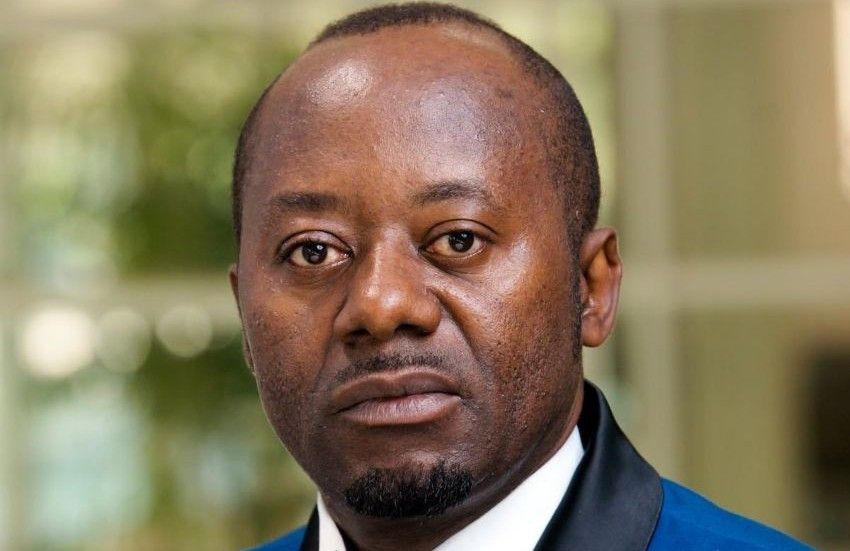
Gabon’s justice system under scrutiny: how Alain-Georges Moukoko’s appointment could reshape Libreville’s prosecutor’s office
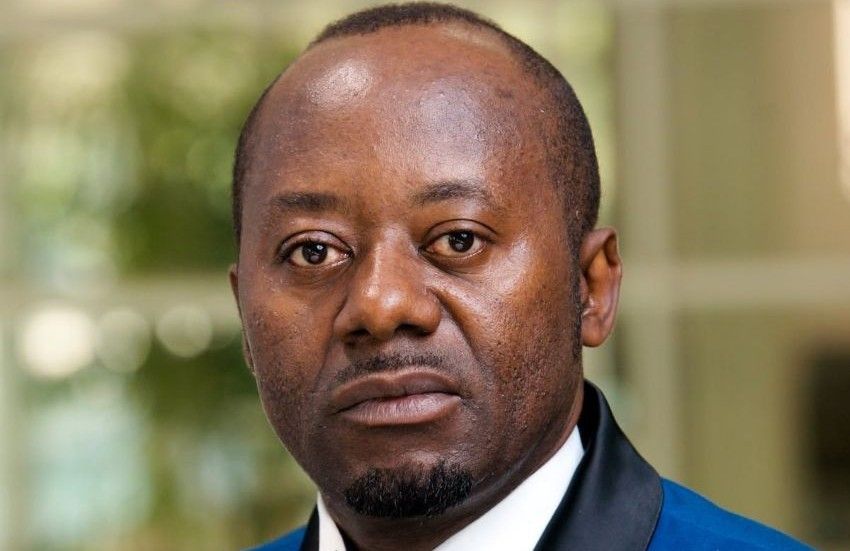
Libreville’s judicial landscape faces a pivotal moment as newly appointed prosecutor general Alain-Georges Moukoko takes office amid rising public expectations for efficiency and transparency in Gabon’s justice system.
On September 16, 2026, the Superior Council of the Judiciary voted to appoint Moukoko as head of the General Prosecutor’s Office in Libreville following a reshuffle at the top of the judicial hierarchy. His selection comes at a critical juncture where the Gabonese judiciary is under pressure to demonstrate renewed vigor, stricter adherence to legal timelines, and heightened credibility.
Replacing Eddy Narcisse Minang, Moukoko brings a career forged in both prosecution and adjudication, with a distinctive focus on environmental justice and combating child trafficking. At 52, the Libreville native has spent decades navigating Gabon’s legal terrain, serving as a prosecutor from 2007 to 2016 before advancing to the Court of Appeal in Mouila. His resume includes international training in humanitarian law, leadership, anti-corruption, and transnational crime, alongside a Humphrey Fellowship in the United States, which broadened his global perspective.
Moukoko’s reputation is rooted in high-profile cases tied to illegal logging, unregulated fishing, poaching, and the trafficking of protected species and ivory. As founder of the Association of Gabonese Green Magistrates, he has been a vocal advocate for environmental justice—an issue of mounting concern in a region where cross-border environmental crimes often evade prosecution.
His dedication to combating child exploitation earned him the Iqbal Masih Award in 2015, conferred by the U.S. Department of Labor in recognition of his work dismantling forced labor networks and training public officials to better protect victims. These accomplishments paint a portrait of a magistrate uniquely equipped to address the multifaceted challenges facing Gabon’s judicial system.
Yet, his journey is as much about the past as it is about the future. Leading the General Prosecutor’s Office demands coordination across multiple layers of the public ministry, ensuring coherent penal action and meticulous procedural oversight. Success will be measured not merely by the volume of cases pursued but by the quality of investigations, the expeditious resolution of proceedings, and the enforceability of court decisions.
The appointment follows disciplinary proceedings against his predecessor, Eddy Minang, whose appeals remain pending under applicable law. Far from signaling a judgment on prior leadership, the change underscores a strategic reset within the institution—a chance to rebuild public trust and operational rigor.
In the corridors of power, President Brice Clotaire Oligui Nguema has made clear his expectations: justice must be swift, procedures transparent, and delays minimized. These directives provide a clear roadmap for Moukoko’s tenure, extending well beyond administrative reshuffling to touch on the very foundations of the Gabonese judiciary.
The timing of the appointment coincides with Gabon’s evolving legal and economic landscape, particularly in sectors like forestry, fisheries, mining, and industry. Environmental law is increasingly pivotal as the country seeks to balance economic development with conservation, stricter enforcement of labor standards, and protection of public interests. Moukoko’s dual expertise—in justice and environmental governance—positions him to navigate these complex intersections with greater precision.
For citizens, the stakes are high. The General Prosecutor’s Office in Libreville oversees some of the most sensitive cases in the nation, spanning corruption, environmental degradation, and human rights. How Moukoko balances these competing priorities, navigates political sensitivities, and delivers on the promise of justice will define his legacy.
Public debate is already swirling. Can a magistrate with a green justice background transform a system long criticized for inefficiency and opacity? Can international exposure and domestic reform be fused into tangible outcomes for ordinary citizens? These questions now shape the national conversation about justice and accountability in Gabon.
One thing is certain: the spotlight on Moukoko is intense. His challenge is not only to meet the demands of a watchful public but to redefine what justice means in Gabon—swift, fair, accountable, and rooted in the rule of law.
Comments are closed, but trackbacks and pingbacks are open.