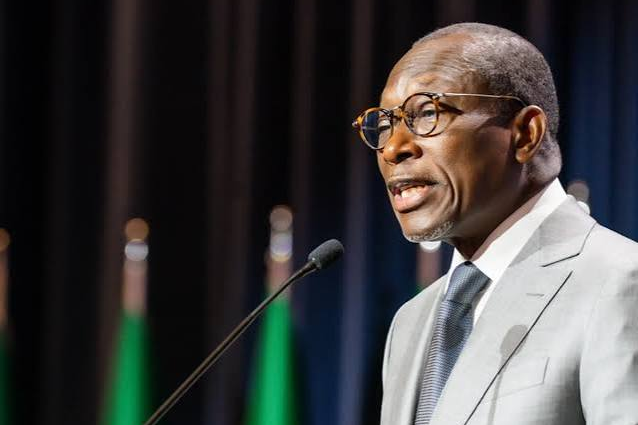
The absence of Benin’s Senate president from next month’s budget hearings has raised questions about the fate of the institution’s financial plans for 2027. While lawmakers prepare to scrutinize the national budget proposal, key officials from government ministries are scheduled to appear—except the Senate leader.
What the rules say about Senate budget preparation
The Senate’s financial procedures are clearly outlined in its internal regulations, specifically articles 97 through 99. These provisions establish how the upper house manages its own budget independently before integrating it into the national framework. Patrice Talon’s absence from the upcoming hearings is not an oversight—it’s a procedural requirement defined by these legal texts.
The three articles shaping the Senate’s budget process
- Article 97: Grants the Senate full administrative and financial autonomy, meaning it controls its internal budget preparation while remaining subject to public finance laws.
- Article 98: Details how the Senate drafts its annual budget after national budget orientation debates, aligning its proposal with government fiscal guidelines before internal approval.
- Article 99: Requires the Senate president to submit the adopted budget to the finance minister, where it merges with the national budget proposal before parliamentary review.
Why the Senate president won’t defend the budget in person
The Senate’s internal budget cycle follows a separate path from other government institutions. After the Senate finalizes its spending plan, the president submits it to the finance ministry—not for direct debate in the Assembly, but for inclusion in the broader state budget. This two-step process ensures the Senate’s financial requests are reviewed internally first, then added to the national proposal.
How other institutions handle their budgets
The Assembly’s president follows an identical process for its own budget. Just as the Senate operates independently before integration, the lower house submits its financial plan through its internal channels. Neither chamber’s president appears before the Budget Committee to advocate for their institution’s funds—those negotiations happen entirely within their walls before formal submission.
The bicameral system didn’t change this process
Adopting a bicameral Parliament in Benin preserved the existing budget workflow for both houses. Senate regulations were not revised to require the president to personally defend the upper house’s financial plans in the Assembly. The articles 97–99 framework remains unchanged, maintaining the separation between internal budgeting and national expenditure debates.
What this means for the 2027 finance bill
Patrice Talon’s exclusion from the November hearings does not imply the Senate’s budget is exempt from scrutiny. Its funds follow the same review path as all public expenditures: internal approval, submission to the finance ministry, and eventual inclusion in the national budget voted on by lawmakers. The Senate’s financial autonomy is administrative—not financial independence.
Comments are closed, but trackbacks and pingbacks are open.