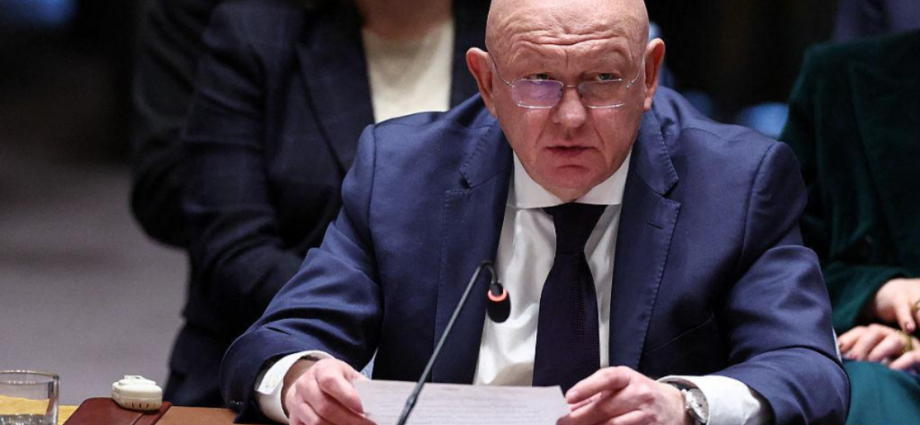
The United Nations Security Council faced a diplomatic gridlock on October 30, 2026, after both a U.S.-backed resolution and a Russian counterproposal aimed at renewing the mandate of the MINURSO peacekeeping mission were rejected. The clash underscores deep divisions among permanent members, leaving the future of the mission—and the political process in Western Sahara—hanging in the balance.
U.S. proposal to overhaul MINURSO mandate faces Russian veto
The 30 October session was intended to renew the mandate of the Mission for the Referendum in Western Sahara (MINURSO), set to expire on October 31, 2026. The U.S. draft resolution sought a one-year extension but proposed sweeping changes to the mission’s structure and objectives.
Key provisions included:
- Elevating Morocco’s autonomy plan—with Moroccan sovereignty—as the sole framework for negotiations.
- Removing the referendum reference from the mission’s name, rebranding it as the UN Mission in Western Sahara (MINUSO).
- Shifting the mission’s focus from peacekeeping to a special political mission, potentially phasing out traditional peacekeeping components.
Russia opposed the text, arguing it undermined the principle of self-determination for the Sahrawi people by predetermining political outcomes. Moscow’s veto ensured the resolution’s failure despite support from 11 of the 15 Council members.
Russian counterproposal collapses without sufficient support
Undeterred, Russia introduced a stripped-down alternative: a simple one-year extension of MINURSO’s current mandate, with no structural changes. The proposal aimed to maintain the UN presence while avoiding a sudden withdrawal.
The Russian draft failed to secure the required nine affirmative votes, garnering only three supports (Russia, China, and Somalia). The U.S. voted against it, while 11 members abstained, sealing its rejection. Unlike the U.S. resolution, this outcome reflected a lack of consensus rather than a veto.
The dual failures highlight an unprecedented divide: Russia blocked the U.S. plan, while Washington torpedoed Moscow’s proposal. Neither power could rally enough support to advance its vision for Western Sahara.
Self-determination takes center stage in the dispute
The conflict’s core issue—the Sahrawi people’s right to self-determination—remains unresolved. Established in 1991, MINURSO was tasked with organizing a referendum on independence or integration with Morocco. The referendum never materialized due to disputes over voter eligibility and the scope of possible outcomes.
The Polisario Front insists on a referendum allowing for independence as an option, while Morocco promotes its autonomy plan under Moroccan sovereignty. The U.S. proposal’s emphasis on Morocco’s plan as the exclusive negotiating basis drew sharp criticism for sidelining the referendum principle.
MINURSO’s future hangs by a thread after diplomatic failure
With no resolution adopted, MINURSO’s mandate technically expires. The absence of a renewal raises critical questions:
- Will the mission be extended in a different form, or face termination?
- Can the Security Council bridge divides to revive negotiations?
- What are the implications for the Sahrawi people’s aspirations?
The Council’s paralysis reflects broader geopolitical rifts, where competing visions for Western Sahara—autonomy under Morocco, independence, or a negotiated settlement—remain irreconcilable. Meanwhile, the Sahrawi population awaits clarity on their right to determine their future under international law.
As diplomatic channels flounder, the October 30 deadlock marks a pivotal moment in a decades-old conflict, leaving the Sahrawi question unresolved and the UN’s role in the territory uncertain.
Comments are closed, but trackbacks and pingbacks are open.