Benin’s airbadminton gold sparks continental debate: what the 3-0 win over Mauritius means for African sports
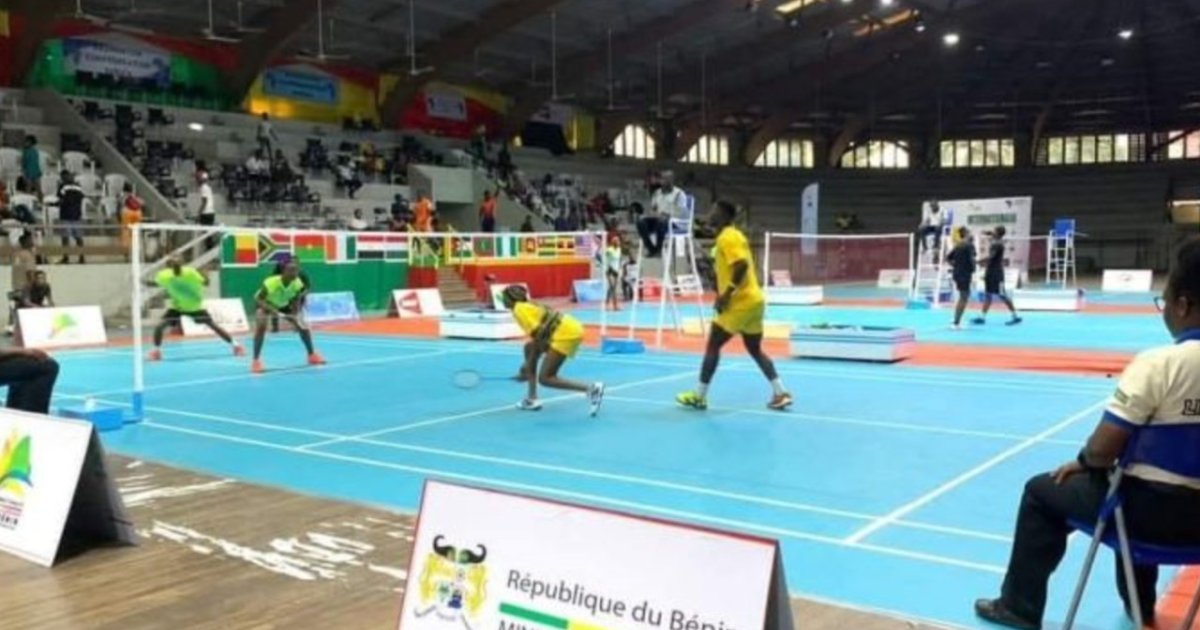
The dust has barely settled on the AirBadminton Championships in Entebbe, but the ripple effects of Benin’s historic 3-0 victory over Mauritius in the men’s triples final are already shaking up conversations across Africa. Just two days after securing silver in the Team Relay event, the Beninese squad delivered a commanding performance to claim gold, leaving sports analysts and fans alike questioning what this means for the future of the sport on the continent.
From silver to gold: Benin’s dramatic reversal in Entebbe
The Beninese men’s triples team—comprising Oswald Fano-Dosh, Carlos Kpanou, Julien Totin, and Preferet Adomahou—entered the final against Mauritius with momentum on their side. Their opponents, who had battled past Egypt 3-2 in the semifinals, were no pushovers, but the Beninese squad dismantled them entirely, winning all three games without conceding a single point.
Mauritius, which had secured silver, was left with no games won, a stark contrast to their earlier victory over Egypt. The final score of 3-0 has already sparked discussions about the growing competitiveness of African AirBadminton and whether this marks the beginning of a new era for the sport on the continent.
Team Relay silver adds to the drama
The men’s triples gold wasn’t the only highlight for Benin at the championships. Just two days prior, the national team had narrowly lost the Team Relay final to Egypt 60-57, settling for silver. While this result may have initially dampened spirits, it ultimately served as a catalyst for the team’s historic triumph in the triples event.
More importantly, the Team Relay performance secured Benin’s qualification for the 2026 BWF AirBadminton World Championships, a milestone that underscores the country’s rising profile in the sport. The back-to-back podium finishes have set tongues wagging: is this a one-off success, or the start of something bigger for Beninese AirBadminton?
What the 3-0 victory reveals about African AirBadminton
The AirBadminton format, which pits three players against three in a best-of-five games showdown, is still relatively new in Africa. The Beninese team’s dominant 3-0 win over Mauritius—particularly in a final—has drawn attention to the tactical and physical preparations that may be giving African teams an edge.
Key factors behind Benin’s success include:
- Team cohesion: The quartet’s seamless coordination and understanding of each other’s playing styles were evident throughout the tournament.
- Adaptability: The ability to adjust strategies mid-game, especially against a strong opponent like Mauritius, demonstrated the team’s tactical depth.
- Physical endurance: AirBadminton demands high levels of stamina, and Benin’s conditioning seemed to outlast their opponents in critical moments.
These elements have led some observers to suggest that African teams may be leveraging unique strengths—such as agility and improvisation—to compete at a higher level than previously anticipated.
The fallout: public debate and future implications
The Beninese victory has ignited a wave of debate across African sports circles. Social media platforms are abuzz with discussions about whether this win signals a shift in the balance of power within African AirBadminton. Analysts are already speculating about which countries might emerge as new contenders, with nations like Nigeria, South Africa, and Kenya being frequently mentioned as potential challengers in future tournaments.
There is also growing curiosity about the long-term impact of Benin’s success. Will this victory inspire more African countries to invest in AirBadminton infrastructure and training programs? Could it lead to the formation of regional leagues or increased sponsorship opportunities for African players?
One thing is clear: the 3-0 win over Mauritius has elevated Benin’s status in the sport and raised the bar for competitors across the continent. The question now is whether other African nations will rise to the challenge—or if Benin’s gold will remain an outlier.
What comes next for Benin and African AirBadminton?
With qualification secured for the 2026 BWF AirBadminton World Championships, Benin’s focus will inevitably shift to preparing for the global stage. The team’s recent performances suggest they are more than capable of holding their own against the world’s best, but the road ahead will be challenging.
For African AirBadminton as a whole, the implications are even more significant. If Benin’s success can be replicated by other nations, the sport could experience a surge in popularity and investment across the continent. This, in turn, might attract the attention of international federations and sponsors, further accelerating the growth of AirBadminton in Africa.
As the dust settles on Entebbe, one thing is certain: the conversation around African AirBadminton is far from over. The 3-0 win over Mauritius may have been the spark, but the fire it has ignited could reshape the sport’s future on the continent.
Comments are closed, but trackbacks and pingbacks are open.