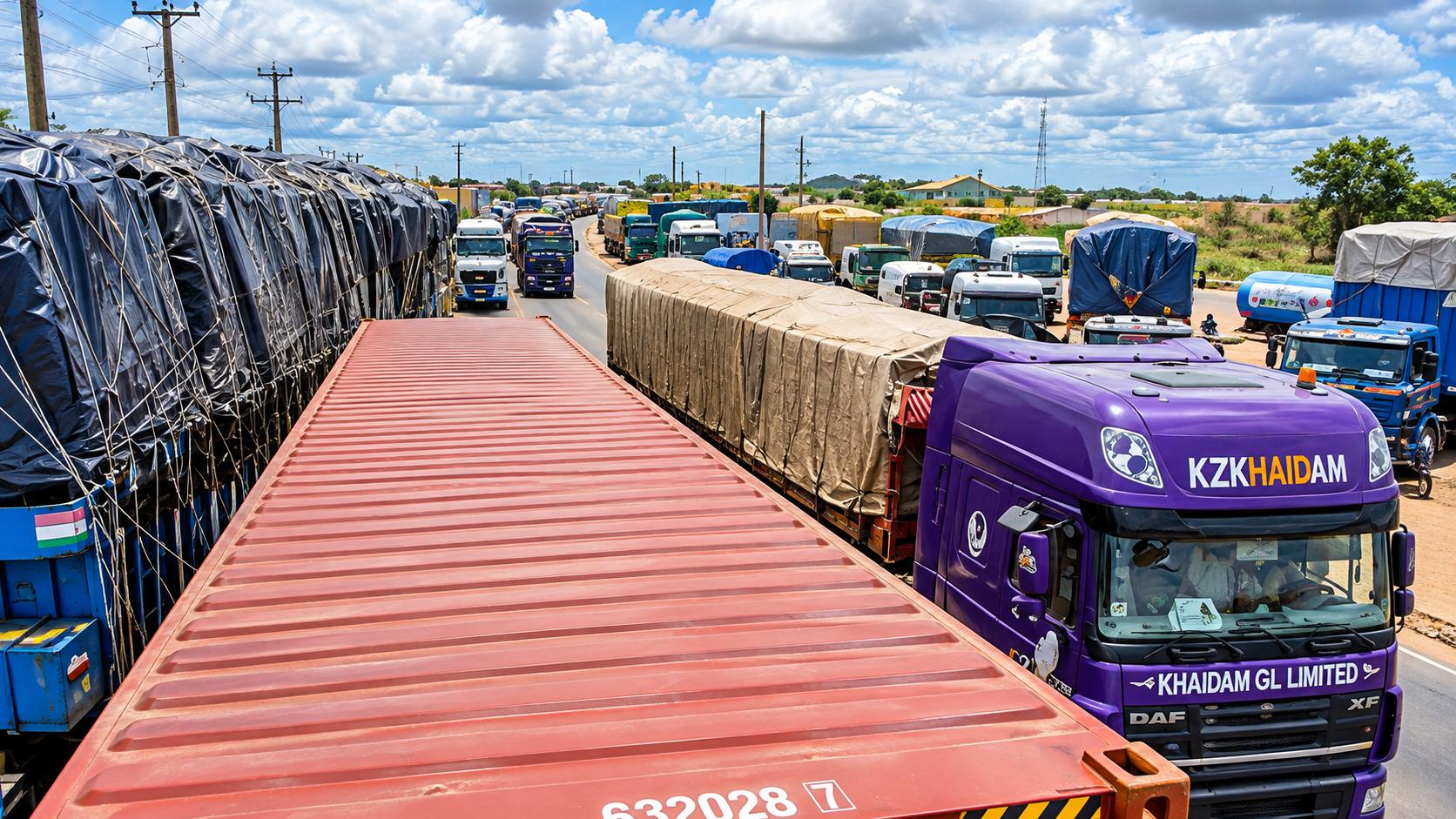
Benin’s strategic push to upgrade the Cotonou-Niamey logistics corridor is reshaping daily realities for businesses, households, and regional economies. Backed by a €30 million investment from the European Union and Belgium’s Enabel agency, this infrastructure overhaul aims to turn Benin into West Africa’s most reliable trade gateway—but what does that mean on the ground for ordinary citizens and cross-border commerce?
Why Benin’s geography matters to millions
Sandwiched between Nigeria—the region’s economic powerhouse—and landlocked Niger, which depends entirely on neighboring ports for imports and exports, Benin occupies a rare logistical sweet spot. With the Autonomous Port of Cotonou as its anchor, the country is leveraging its coastal access to ease supply bottlenecks that have long plagued inland neighbors. For Nigerien farmers, Nigerian manufacturers, and Beninese transporters alike, smoother roads and faster customs could translate directly into lower prices, fresher goods, and more stable incomes.
The cotoni project: 729 km of economic lifeline
Launched in May and set to run for four years, the Cotoni Project (Support Project for the Development of the Cotonou-Niamey Corridor) targets the entire 729-kilometer route linking Cotonou’s port to Niamey. Beyond paving roads, it tackles systemic inefficiencies through four practical pillars:
- Durable governance: Ensuring road maintenance funds are secured long after construction ends.
- Corridor security: Reducing checkpoints and enhancing safety for truckers who often face delays or extortion.
- Trade facilitation: Linking local agricultural producers to regional value chains through better logistics integration.
- Customs modernization: Upgrading the joint border post to cut clearance times and paperwork.
From local routes to regional arteries
This corridor doesn’t stop at Niger—it extends toward key Nigerian crossings, creating a seamless transnational network. When fully operational, it will complement broader regional initiatives like the upcoming Abidjan-Lagos Highway and Benin’s own fleet renewal program for freight carriers. The goal? A predictable, efficient flow of goods that reduces spoilage, lowers transport costs, and boosts competitiveness across borders.
A showcase for west africa’s logistics future
The stakes will be on full display at the Transport Logistique Cotonou (TLC) trade fair, running November 12–14 at the Palais des Congrès. Co-organized with the Autonomous Port of Cotonou and ACAM, the event will gather over 2,000 regional stakeholders—from customs officials to agribusiness exporters—for high-level dialogue and hands-on port tours. For many attendees, this isn’t just about policy—it’s about seeing firsthand how faster cargo movement can stabilize food prices, create jobs, and strengthen regional resilience.
Comments are closed, but trackbacks and pingbacks are open.