Benin’s economic resilience shines amid global uncertainty
The Beninese economy has defied global turbulence, recording an 8.1% growth in 2025 and projecting sustained expansion above 7% through 2027. This remarkable performance, highlighted in the latest African Development Bank (BAD) country report, underscores the nation’s ability to thrive despite geopolitical disruptions and volatile markets. While challenges like social disparities and regional security concerns persist, Benin’s disciplined fiscal policies and strategic investments are driving tangible progress.
Diversification and industrialization fuel growth
Benin’s economic rebound is not a fluke but the result of deliberate structural reforms and diversification efforts. After achieving a 7.5% GDP growth in 2024, the country accelerated its momentum, positioning itself as one of Africa’s fastest-growing economies. The African Development Bank credits this success to macroeconomic stability, targeted infrastructure upgrades, and a shift toward value-added local production.
Industry and infrastructure lead the charge
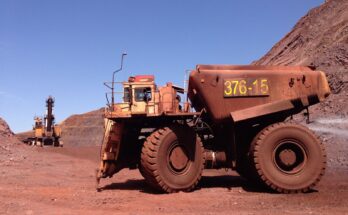
The secondary sector surged by 9.8% in 2025, propelled by major public works, road rehabilitation, and port modernization projects. The Glo-Djigbé Industrial Zone (GDIZ) has emerged as a linchpin, attracting manufacturers and boosting industrial output. Meanwhile, extractive industries, particularly quarry operations supplying cement plants and tile manufacturing, have expanded significantly.
Services and digital economy gain traction
The tertiary sector grew by 8.5%, driven by digital services, cross-border trade, and the Port of Cotonou’s logistical efficiency. The port remains a critical hub for regional commerce, reinforcing Benin’s role as a logistics gateway in West Africa.
Agriculture and livestock thrive amid favorable conditions
Agricultural output rose by 5.7% in 2025, with livestock production—boosted by targeted productivity investments—growing by 8.8%. A bumper harvest and stable regional fuel supplies from Nigeria helped keep inflation in check, supporting household purchasing power.
Monetary stability and fiscal discipline underpin growth
Benin’s economic resilience is further evidenced by its inflation rate of just 1.1% in 2025, well below the West African Monetary Union’s (WAEMU) 3% target. This stability stems from disciplined fiscal policies, robust banking sector performance, and prudent debt management. Key highlights include:
- Banking sector strength: Credit to the economy surged by 8.8%, while bank assets grew by 9.2%, with solvency ratios comfortably exceeding regulatory thresholds.
- Fiscal consolidation: Revenue rose to 13.9% of GDP, while public spending was capped at 18.7%, reducing the budget deficit to 2.8% of GDP from 3% in the prior year.
The African Development Bank notes a moderate risk of over-indebtedness but warns of rising international commercial financing costs, which could pressure debt servicing.
Export-led transformation redefines trade
Benin is transitioning from a transit economy to an exporter of processed goods. The GDIZ has enabled local transformation of cotton, soybeans, and cashews into textiles and agroprocessed products, lifting exports to 23% of GDP from 21.8% previously. This shift is gradually reducing the current account deficit to 5.8% of GDP, while WAEMU reserves now cover 7.6 months of imports, bolstering external sector stability.
Critical challenges and future priorities
Despite these gains, Benin faces structural hurdles. The African Development Bank highlights that over 90% of the workforce operates in the informal sector, limiting productivity gains and slowing poverty reduction. To address this, the report urges accelerated investments in vocational training, aligning education with industrial needs, and fostering formal employment opportunities to harness the demographic dividend.
Key risks on the horizon
The country’s growth trajectory is vulnerable to external and regional factors, including:
- Geopolitical tensions in the Middle East and prolonged oil price volatility.
- Security concerns in northern Benin and economic dependence on Nigeria’s trade policies.
- Climate-related agricultural shocks.
To mitigate these risks, the African Development Bank recommends maintaining fiscal discipline while accelerating energy projects like the Dogo-Bis hydroelectric dam. This initiative would enhance energy autonomy, reduce production costs for GDIZ industries, and bolster Benin’s overall competitiveness.
Benin’s path forward: Balancing growth with inclusion
With projections of 7% growth in 2026 and 7.1% in 2027, Benin stands as a model of macroeconomic resilience in West Africa. Its success hinges on translating this growth into tangible benefits for its people—particularly its youth—by formalizing the economy, securing its borders, and ensuring that industrial progress translates into widespread prosperity. The journey ahead demands not just economic strength, but a commitment to inclusive development that leaves no one behind.