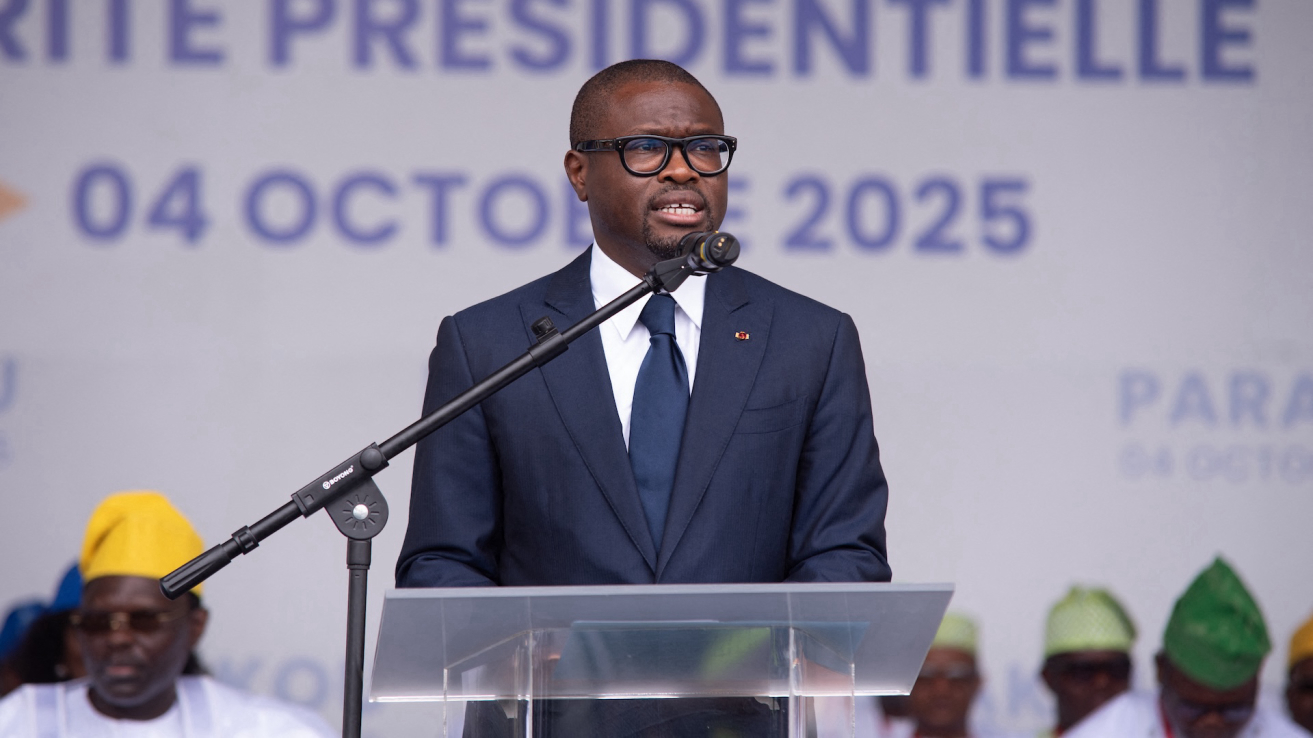
Romuald Wadagni steps into leadership with a mandate for transformation
Romuald Wadagni has secured a decisive victory in Benin’s presidential election, winning 94.27% of the vote against challenger Paul Hounkpè, who conceded defeat and urged national unity. The Constitutional Court confirmed a 63.57% turnout, a significant rise from the 50.17% recorded in 2021. This marks Benin’s fifth democratic transition since the 1990 National Conference, reinforcing the country’s institutional stability amid regional instability over presidential term limits.
Economic growth meets persistent poverty challenges
As former Finance Minister for a decade, Wadagni played a pivotal role in driving Benin’s economic expansion during Patrice Talon’s two terms. Under his influence, annual GDP growth surged from 1.8% in 2015 to nearly 8% by 2025. Yet, despite this progress, over 40% of Beninese citizens still live below the poverty line. His incoming administration must now pivot from growth to inclusive development, ensuring economic gains translate into tangible improvements for all citizens.
Political pluralism at a crossroads
The electoral landscape has been reshaped by sweeping constitutional reforms since 2016, including a stringent 15% sponsorship requirement for presidential candidates—a rule introduced after the March 2024 electoral code revision. This change, combined with internal divisions within opposition parties, has sidelined key political forces. The main opposition group, Les Démocrates, was notably absent from the ballot, and its leadership crisis following former president Boni Yayi’s March 2026 departure has further weakened its influence. Without reform, opposition parties may remain excluded from elections until 2040.
Wadagni’s program emphasizes social welfare, economic diversification, and national cohesion. However, the new Senate—created in November 2025 with broad legislative oversight—introduces further complexity. A potential appointment of Talon as Senate president could create a dual-executive dynamic, raising concerns about institutional friction.
Regional stability hinges on cooperation
Benin’s security challenges, including terrorist threats in the north, demand urgent regional collaboration. While relations with Nigeria have improved following shared support against a December coup attempt, ties with Burkina Faso and Niger remain fragile. Wadagni has signaled a conciliatory approach, framing his election as an opportunity to revitalize diplomacy. Yet, the absence of regional cooperation only emboldens terrorist groups, particularly in cross-border zones like the W-Arly-Pendjari complex.
The new government must address these security gaps while fostering inclusive dialogue. Provisions in the November 2025 Constitution, such as the proposed “Republican Responsibility Pact,” offer a framework for collaboration with opposition parties—but only if used to strengthen democratic debate, not suppress it. Early engagement with civil society and public accountability mechanisms could help bridge divides and restore trust in Benin’s democratic institutions.
Comments are closed, but trackbacks and pingbacks are open.