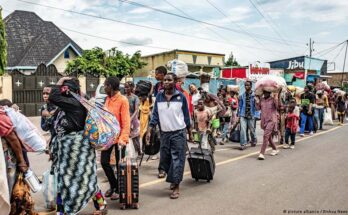
In a significant development for communities in Nigeria’s northeastern region, over 400 women and children, previously abducted by Boko Haram militants, have been released. The group, responsible for years of violence and instability, had taken these individuals from the village of Ngoshe in Borno State, sparking widespread concern.
A community’s long wait ends
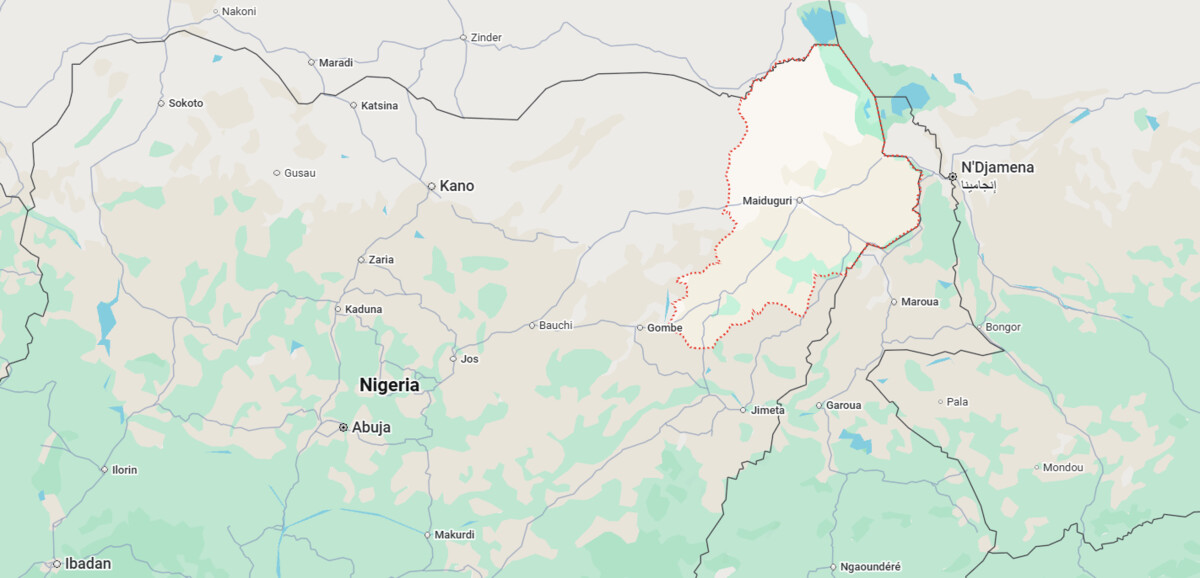
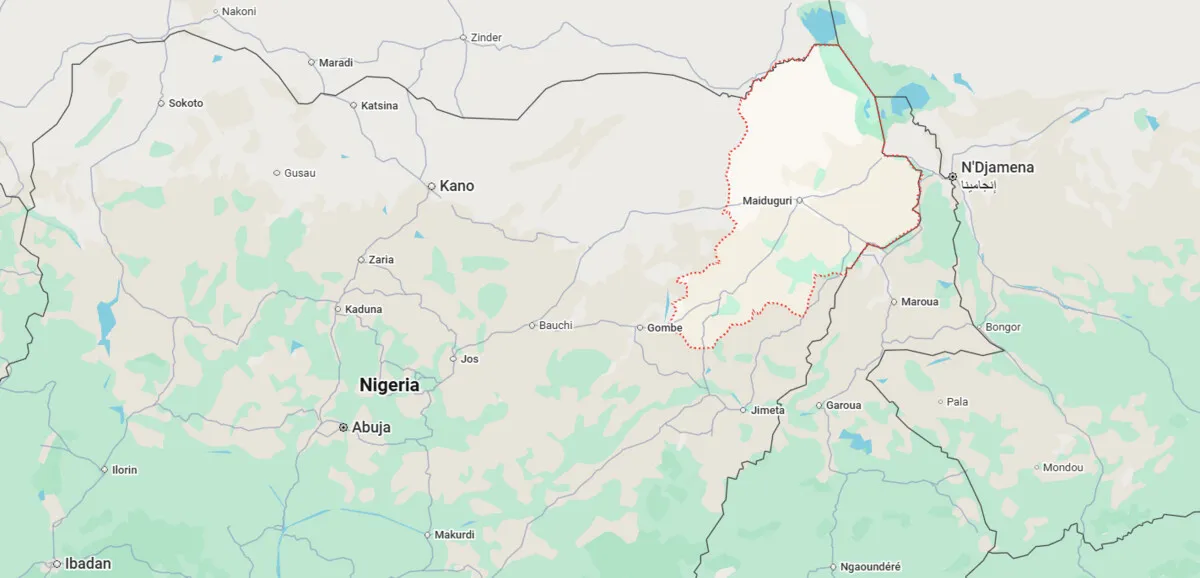
The released individuals, all from Ngoshe, were confirmed to have been freed on June 6. Local leaders, including youth representatives and Senator Mohammed Ali Ndume, shared the news, though no official statement has been issued regarding the conditions of their release. The village, situated fewer than ten kilometers from the Cameroonian border, has been a recurring target due to its proximity to Boko Haram’s strongholds.
A region scarred by conflict
Since the insurgency began in 2009, Borno State and its surrounding areas have endured relentless violence. Boko Haram, alongside its rival faction, the Islamic State’s West Africa Province (ISWAP), has left thousands dead and displaced millions, creating one of Africa’s most severe humanitarian crises. Mass abductions have become a grim tactic, both for spreading terror and generating revenue through ransom demands.
Unanswered questions linger
While authorities have not disclosed whether negotiations or payments were involved, reports suggest that such practices remain common. The Nigerian government has repeatedly denied engaging with armed groups, yet the persistence of these abductions underscores the challenges faced in restoring security. For the families of those freed, relief is tempered by uncertainty about the fate of others still held captive.
Borno’s enduring struggle
Gwoza, the region where Ngoshe is located, has been a focal point of the conflict. Its strategic position and history of militant activity make it a frequent battleground. The release of these hostages offers a rare moment of hope, but the broader fight against extremism in Nigeria’s northeast continues unabated.