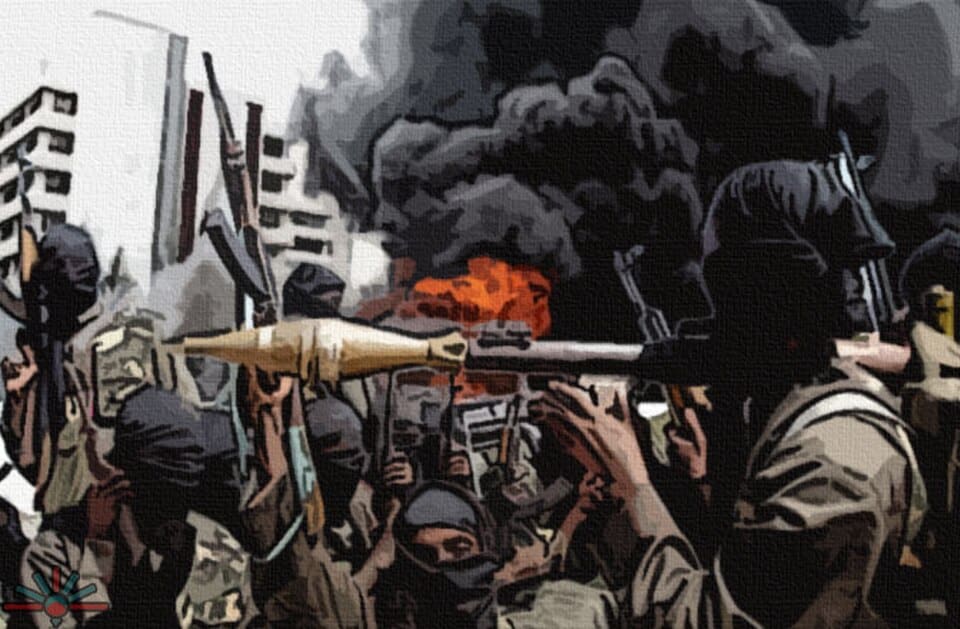
Boko Haram turns to AI for smarter, deadlier attacks
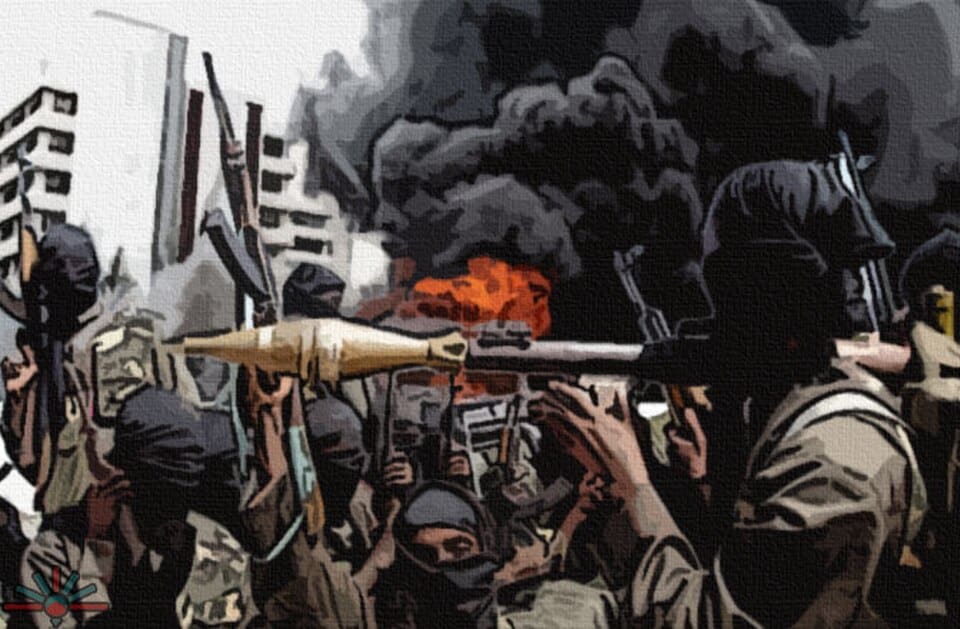
Exclusive testimony from former Boko Haram members reveals how the jihadist group is leveraging artificial intelligence to plan attacks, troubleshoot technical challenges, and enhance operational capabilities. This technological shift is reshaping counter-terrorism strategies and presenting unprecedented challenges for governments and tech companies alike.
AI as a tactical ally for Boko Haram
For years, terrorism analysts warned about the potential for jihadist groups to adopt artificial intelligence. That theory has now been validated by field evidence.
Research conducted by Antonia Juelich, affiliated with the Cambridge Programme on AI Science and Policy (CASP), draws on interviews with dozens of former Boko Haram members. The findings indicate that certain factions of the group have been using generative AI tools since 2023—just months after the public release of ChatGPT.
According to these accounts, AI isn’t merely a tool for propaganda or text generation. It plays a role at multiple stages of operations. Fighters query conversational models for technical explanations, problem-solving in the field, or to refine preparation methods for their actions.
One former member shared that combatants view these tools as near-limitless knowledge sources, capable of addressing almost any question they pose. This perception boosts their confidence in using the technology, even when responses may be inaccurate or incomplete.
Researchers emphasize that AI does not replace human expertise. Instead, it functions as a digital advisor that accelerates information retrieval and improves decision-making. Testimonies reveal that tools are consulted before, during, and after operations to analyze mistakes and refine tactics.
This development marks a significant turning point. Prior studies on digital terrorism focused primarily on propaganda, recruitment, and online radicalization. The new findings show that generative AI has now become embedded in the daily operations of an active terrorist organization.
The threat extends far beyond Boko Haram
The implications of this research extend well beyond Nigeria’s borders.
Boko Haram, founded in 2002 and responsible for thousands of deaths across Nigeria, Cameroon, Niger, and Chad, is likely not alone. Researchers believe other armed groups could follow suit as AI models become more advanced and accessible.
Experts note that current AI capabilities still have major limitations. Models can generate errors, fabricate details, or provide technically incorrect responses. Yet they already drastically reduce the time needed to research information or solve practical problems.
This democratization of generative models is fundamentally changing the nature of the threat. Unlike specialized software or sophisticated equipment, these tools are accessible via any internet-connected device. They offer assistance capabilities that were once reserved for experts or required extensive research.
For researchers, this reality demands a reevaluation of security policies for companies developing these models. Existing filters already block some explicit requests related to weapons or explosives, but malicious users constantly seek ways to bypass safeguards using indirect phrasing or successive queries.
The report concludes that intelligence agencies must now integrate AI into their analysis of terrorist operational capabilities. It is no longer sufficient to monitor communication networks or financial flows—understanding how these groups exploit cutting-edge civilian technology is now essential.
A technological arms race reshaping global security
The Boko Haram case illustrates a broader trend in international security. Digital innovations now spread far faster than in previous decades, and their adoption is no longer limited to states or major corporations.
Terrorism specialists observe that armed groups typically adopt new technologies based on practical utility rather than novelty. AI alone does not transform their military capabilities, but it enables them to save time, access knowledge more easily, and improve internal processes.
In response, governments must strengthen cooperation between intelligence services, academic researchers, and AI specialists. The goal is to better understand how terrorist organizations use these tools, anticipate misuse, and develop more effective protective mechanisms.
The study on Boko Haram represents one of the first documented cases of generative AI integration within an active terrorist organization. It confirms that the AI revolution is not just transforming economies or daily life—it has become a critical new dimension in global security.
Comments are closed, but trackbacks and pingbacks are open.