Senegal’s constitutional revision faces pivotal moment amid Pastef party crisis
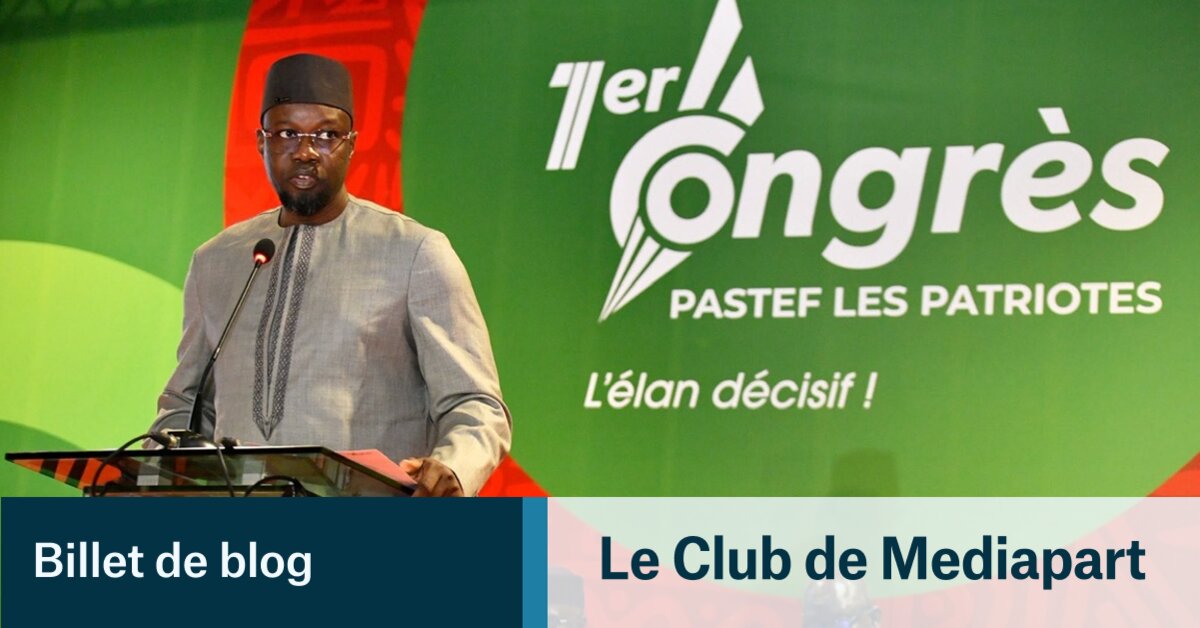
The political landscape in Senegal is undergoing significant turbulence as the country grapples with a constitutional reform process while the ruling Pastef-Les Patriotes party grapples with an internal split. The stakes are high, with Vice-President Madièye MBODJ of Pastef-Les Patriotes analyzing the implications of these constitutional changes in the context of the party’s division, marked by the recent establishment of a new political entity by President Diomaye Faye—a move that signals a definitive break from former leader Ousmane Sonko and the original party structure.
At the heart of the discussion lies a critical question: Can the original vision of Pastef continue to guide the nation’s political trajectory amid this fragmentation? The constitutional reform, already a contentious issue, now faces additional scrutiny as the party’s unity is tested by ideological and personal differences.
Constitutional reform: A double-edged sword
The ongoing constitutional revision in Senegal is not merely a procedural exercise—it represents a potential turning point for the country’s democratic future. Proponents argue that the changes are necessary to modernize the nation’s governance structures, streamline institutions, and enhance transparency. However, detractors warn that the timing and motivations behind the reform could undermine democratic principles, particularly in light of the recent political upheaval within Pastef.
Vice-President Madièye MBODJ, a key figure in the party’s leadership, has been vocal about the challenges posed by the constitutional revision amid the party’s internal strife. He emphasizes that the reform’s success hinges on maintaining a delicate balance between progress and the preservation of the party’s core values—values that were central to Pastef’s rise to power.
Pastef’s split: A fracture with far-reaching consequences
The decision by President Diomaye Faye to form a new political party has sent shockwaves through Senegal’s political scene. The move, which effectively severs ties with former leader Ousmane Sonko and the original Pastef structure, has left the party fractured and its future uncertain. This schism raises pressing questions about the party’s ability to uphold its founding principles and deliver on the promises that propelled it to power.
Analysts and political observers are closely monitoring the situation, as the split within Pastef could have profound implications for Senegal’s political stability. The party’s internal divisions may weaken its influence in parliament and hinder its ability to push through the constitutional reforms it has championed. Moreover, the creation of a new party by Faye could further fragment the political arena, making consensus-building even more challenging in an already polarized environment.
Navigating the constitutional maze
The constitutional revision process is a complex endeavor, requiring careful navigation to ensure that the reforms are both inclusive and sustainable. In the midst of this turmoil, Vice-President Madièye MBODJ has called for a reassessment of the reform’s priorities, urging that the process prioritize national unity over partisan interests. His stance underscores the need for a collaborative approach that transcends the current divisions within Pastef and the broader political spectrum.
The coming months will be decisive for Senegal as it balances the push for constitutional reform with the challenges posed by the party’s split. The decisions made during this period will shape the country’s political trajectory for years to come, determining whether the nation can achieve the progress it seeks while maintaining the cohesion necessary for a stable and prosperous future.
Comments are closed, but trackbacks and pingbacks are open.