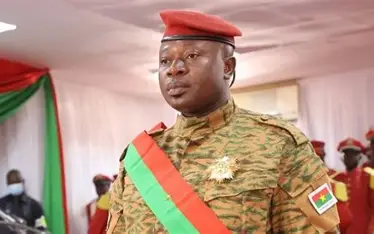
Burkina Faso’s judiciary has formally charged Paul-Henri Sandaogo Damiba with terrorism-related offenses, a move that intensifies scrutiny over his extradition from Togo and the legal guarantees initially provided.
Terrorism allegations take center stage in Burkina Faso’s prosecution
The former transitional president, removed from power in September 2022, now faces three serious accusations: complicity in terrorist group formation, illegal firearm possession with terrorist intent, and terror financing. These charges were announced by the public prosecutor in Ouagadougou, marking a pivotal shift in a case already fraught with political and diplomatic tensions.
The gravity of these accusations does not equate to guilt. The presumption of innocence remains intact until proven otherwise, and the defense’s role in ensuring a fair trial is paramount.
Extradition from Togo: a decision weighed by guarantees
After seeking refuge in Lomé following his ousting, Damiba was extradited to Burkina Faso in January 2026 after Togo approved Ouagadougou’s request. The Togolese government had secured multiple assurances, including Damiba’s safety, due process rights, a fair trial, and no imposition of the death penalty. These conditions were critical to the extradition decision.
However, Burkina Faso’s recent legal reforms reintroducing capital punishment for terrorism offenses have cast doubt on whether these guarantees will hold. The timing of the new charges directly tied to terrorism heightens concerns over compliance with the original terms.
Legal risks and retroactive implications
The retroactive application of harsher penalties under the revised penal code raises constitutional questions.
The legal team must scrutinize the timeline of alleged offenses to determine if new laws apply retroactively.
Compliance with international fair trial standards remains a non-negotiable requirement.
Diplomatic fallout overshadows Burkina Faso-Togo relations
The extradition’s diplomatic ripple effects are undeniable. Should Ouagadougou fail to uphold the agreed-upon terms, Lomé could face reputational damage, and the credibility of interstate extradition agreements in West Africa would be called into question.
Togo’s role as an intermediary now extends beyond the initial transfer. Officials in Lomé must assess whether Burkina Faso’s legal changes invalidate the guarantees secured before Damiba’s handover a decision that could redefine regional judicial cooperation norms.
Political history casts a long shadow over legal proceedings
The rivalry between Damiba and current leader Ibrahim Traoré, dating back to the 2022 coup, adds a layer of complexity. While accusations require substantiation, the lack of transparency could fuel perceptions of politically motivated prosecutions. Burkina Faso’s judiciary must demonstrate impartiality to dispel doubts about the trial’s integrity.
Key expectations include:
Public disclosure of evidence supporting the charges.
Unrestricted access to legal counsel for Damiba.
A transparent judicial process shielding the trial from external influence.
Faure Gnassingbé faces scrutiny over extradition fallout
The Togolese president now confronts a diplomatic conundrum: ensuring Burkina Faso honors the original agreements while balancing regional judicial cooperation principles. Failure to intervene risks eroding confidence in Togo’s ability to negotiate fair extradition terms with African partners.
The Damiba case underscores a critical question: can cross-border justice systems maintain credibility when legal reforms alter the terms of extradition agreements? Terrorism prosecutions must adhere to the rule of law, where rivalries no matter how deep do not dictate outcomes.
As Burkina Faso advances its case, the world watches to see if justice prevails over political vendettas.
By Alasane OUEDRAOGO — Journalist
Comments are closed, but trackbacks and pingbacks are open.