Burkina Faso severs diplomatic ties with France after years of escalating disputes
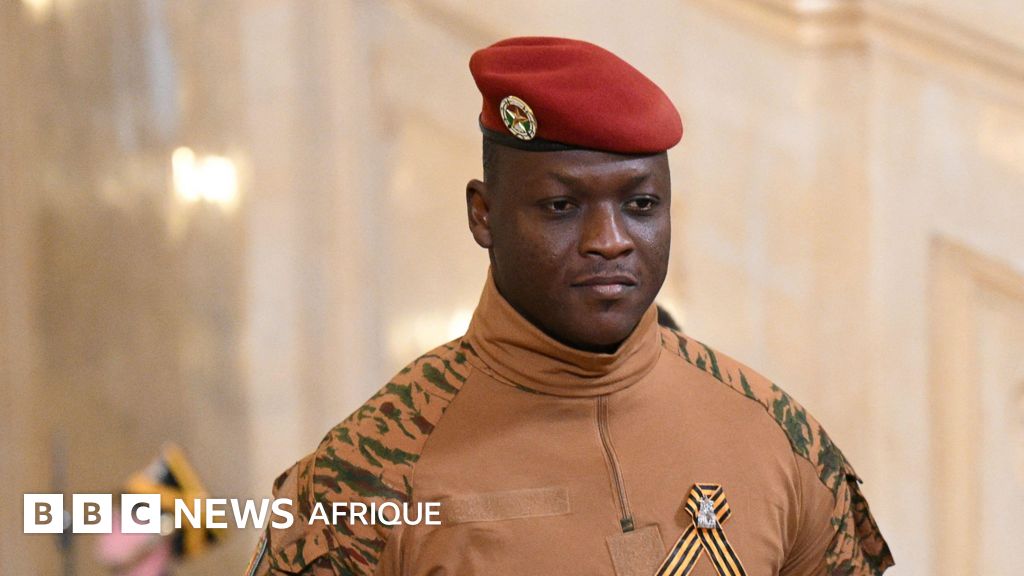
The military-led government in Burkina Faso has declared the immediate end of diplomatic relations with France, citing Paris’s alleged interference in the country’s internal affairs. This decisive move marks the latest chapter in a deepening rift between the two nations, which has intensified since Captain Ibrahim Traoré assumed power in a 2022 coup.
The announcement follows a scathing statement from Burkina Faso’s Minister of Communication, Pingdwendé Gilbert Ouédraogo, who accused France of perpetuating “neocolonial ambitions” and engaging in “relentless activism” against his country. The French Ministry of Foreign Affairs swiftly responded, denouncing the decision as “unfounded and hostile,” warning of a “worrying drift” in Burkina Faso’s leadership.
Burkina Faso’s government justified the break by stating that mutual respect can no longer be maintained, accusing France of supporting “subversive networks” and attempting to isolate the West African nation on the global stage. While the rupture applies strictly to institutional relations, authorities were careful to emphasize that cultural and social bonds between the Burkinabè and French peoples remain intact.
From military cooperation to mutual distrust
The deterioration of relations between Ouagadougou and Paris has been underway for years. Burkina Faso, like its neighbor Mali, has faced a decade-long insurgency by jihadist groups. During this period, French forces played a key role in regional counterterrorism operations before their eventual withdrawal from Burkina Faso.
Captain Traoré’s rise to power accelerated the shift away from France. In 2023, he demanded the withdrawal of French troops, accusing Paris of pursuing a “hidden agenda.” Since then, Burkina Faso has deepened ties with alternative partners, notably Russia and China, while adopting an increasingly vocal stance against Western influence.
Political shifts and regional alliances
This diplomatic rupture comes amid significant political changes in Burkina Faso. The military junta had pledged to restore constitutional order by 2024, a deadline it failed to meet. Earlier this year, the government dissolved all political parties, further consolidating its grip on power.
In January 2025, Burkina Faso, Mali, and Niger—three nations governed by military regimes—formally exited the Economic Community of West African States (ECOWAS) to form the Alliance of Sahel States. This bloc represents a growing trend of African nations seeking to distance themselves from traditional Western alliances.
France has not had an ambassador in Burkina Faso since early 2023. Last year, Ouagadougou expelled three French diplomats, accusing them of “subversive activities,” a claim Paris firmly rejected. The latest breakdown in relations underscores the widening gap between the two countries, with no immediate signs of reconciliation.
Comments are closed, but trackbacks and pingbacks are open.