The detention of a prominent imam in Burkina Faso has ignited fierce debate over a contentious government proposal to regulate religious practices nationwide. The arrest of Mohamed Kindo, a respected Sunni leader, follows similar cases in recent weeks, including that of cyber-activist Mahamadi Baguian, who died in police custody in late March.
Rising tensions over new worship regulation
The source of the controversy is a draft law introduced by authorities to restrict religious activities in public spaces such as government offices, hospitals, and military barracks. While the government frames the measure as necessary for national security and administrative order, critics—particularly within the Sunni Muslim community—view it as an overreach that infringes on fundamental freedoms.
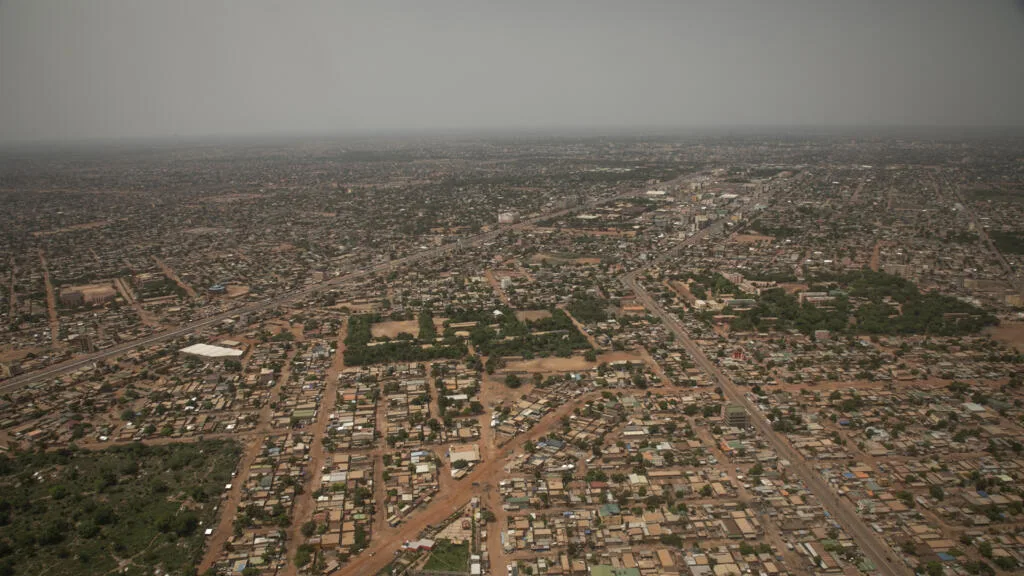
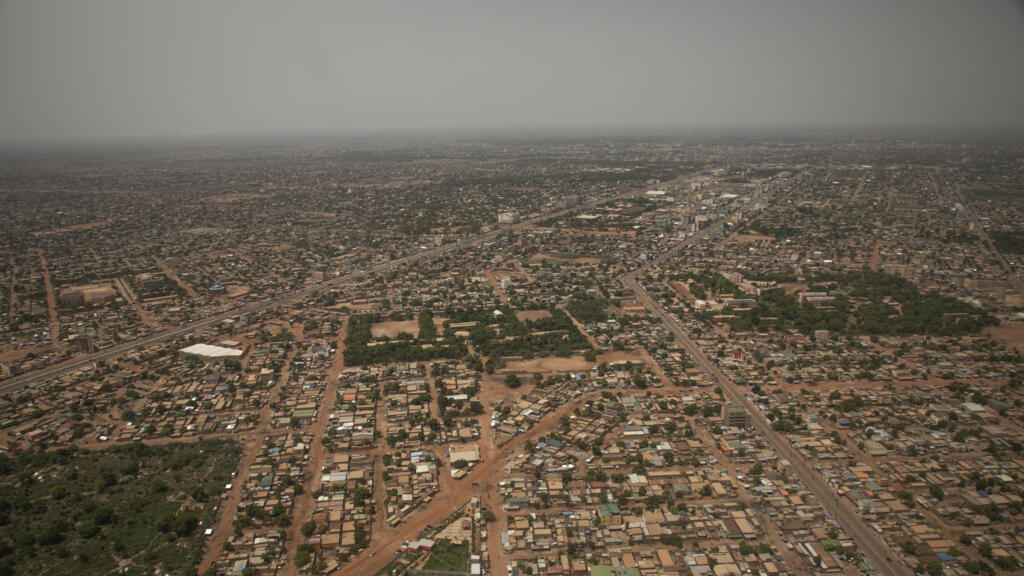
The proposed legislation was approved by the Council of Ministers on March 19, but its implementation has faced immediate resistance. Imam Kindo, known for his vocal opposition to the law, was taken into custody on Tuesday afternoon, just days before the Eid al-Adha celebrations. His detention triggered swift backlash, with hundreds of supporters taking to the streets of Ouagadougou, clashing with security forces in the city center.
Escalation in the capital
Protesters, many of whom gathered in defiance of the new restrictions, were met with tear gas and aggressive crowd dispersal tactics. The unrest underscores the deep divisions surrounding the law, which many religious leaders argue targets their traditions without addressing broader security concerns. The incident involving Kindo is not isolated; it echoes the arrest of Imam Mahmoud Barro in Bobo-Dioulasso in mid-April, further fueling perceptions of a systematic crackdown on dissent.
Broader implications for governance and faith
As the debate intensifies, the government’s approach to balancing secular governance with religious expression remains under scrutiny. The law’s critics warn that its enforcement could deepen social fractures, while supporters argue it is essential for maintaining public order in a country facing persistent security challenges. With public sentiment sharply divided, the outcome of this legislative battle may shape Burkina Faso’s sociopolitical landscape for years to come.