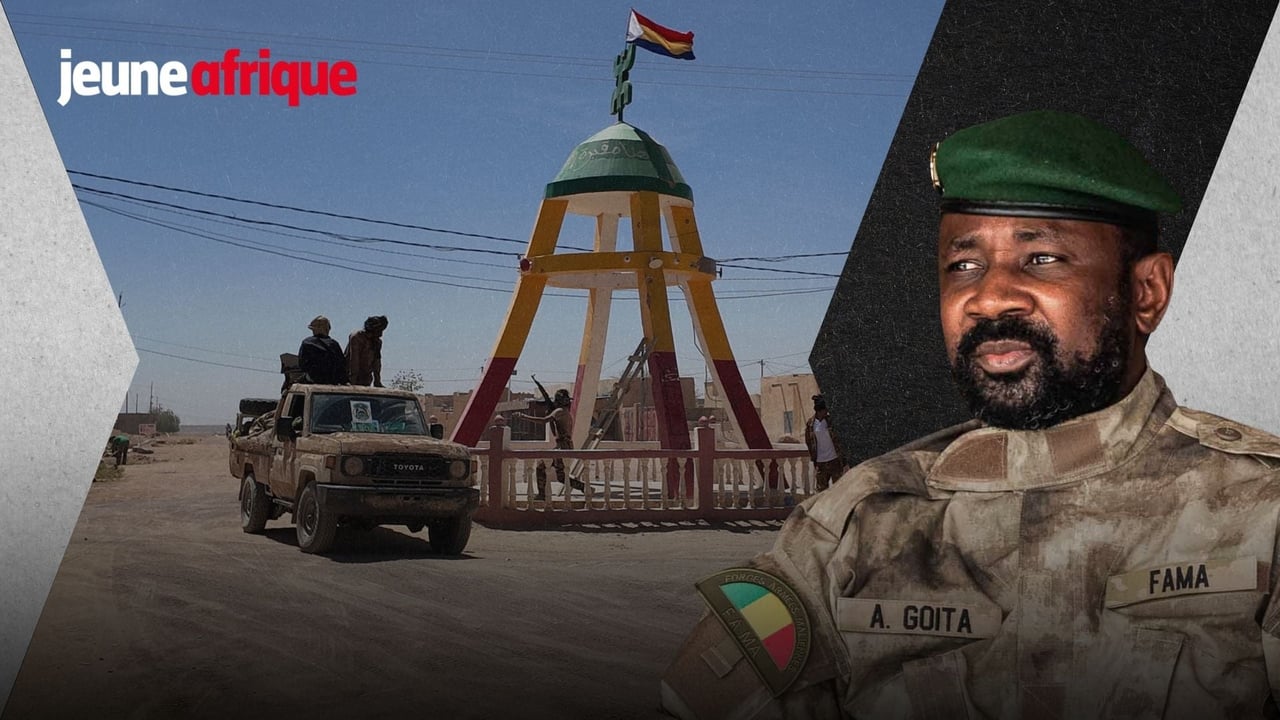
In the heart of the Sahel, Mali stands at a critical juncture. The nation’s stability is under unprecedented strain as coordinated assaults and strategic territorial losses expose the fragility of its security apparatus. The events of April 25, 2026, marked a turning point, shattering illusions of control and revealing deep fractures in the nation’s defense.
The capital’s grip on power has grown increasingly tenuous. A bold offensive by rebel factions, joined by militant groups, has left key urban centers vulnerable. Among the casualties of this upheaval was the Minister of Defense, underscoring the severity of the crisis. The attack was not merely a military setback—it was a declaration of shifting alliances and a bold challenge to the government’s authority.
An unprecedented alliance reshapes the battlefield
The convergence of jihadist forces and separatist rebels has created a formidable alliance. This partnership, long suspected but rarely confirmed, now operates with open coordination. Their combined strength has overwhelmed local defenses, capturing strategic locations and disrupting supply lines. The fall of Kidal to these forces on April 25 was not just a territorial loss—it was a symbolic blow to the government’s control over the northern regions.
Defense failures and the cost of instability
The government’s response has been marked by hesitation and missteps. The loss of key personnel, including the Defense Minister, has left a leadership void at a time when decisive action is critical. Meanwhile, the broader security situation continues to deteriorate, with civilian populations bearing the brunt of the violence. Displacement, economic disruption, and a climate of fear have become the new norm for many Malians.
What lies ahead for Mali?
The road to recovery is steep and uncertain. Rebuilding trust in state institutions and restoring security will require more than military might—it demands a cohesive strategy that addresses the root causes of the conflict. The alliance between rebel and militant groups poses a long-term threat, one that could further destabilize the region if left unchecked. For now, the Malian government clings to power, but the foundation beneath it is undeniably shaky.