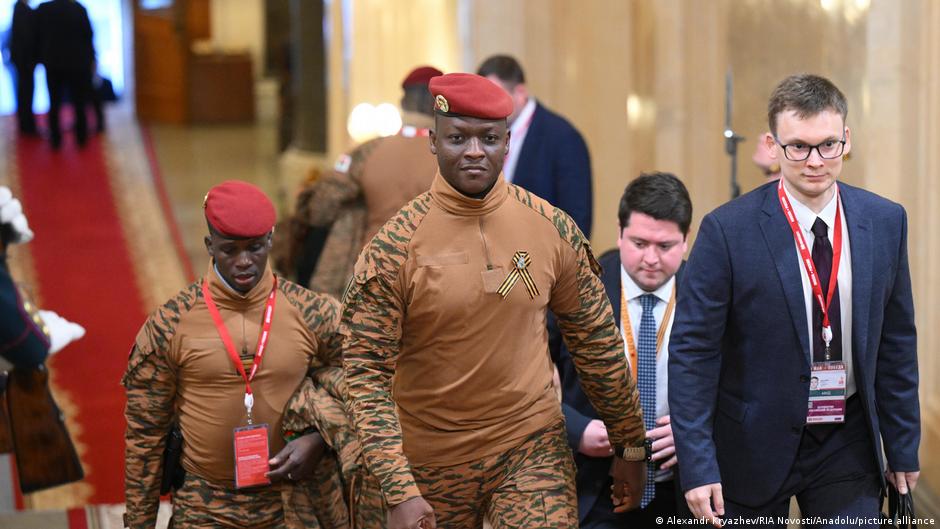
The recent adoption of Burkina Faso’s new Charter for the Popular Progressive Revolution has reignited debates about the country’s political trajectory. At the heart of the discussion is Captain Ibrahim Traoré, the military leader who seized power in September 2022 while initially vowing to serve only temporarily. Since then, his administration has faced sharp criticism for its authoritarian measures, even as it claims to draw inspiration from the legacy of Thomas Sankara.
In late March, the Charter for the Popular Progressive Revolution (RPP) was unanimously approved by members of the Transitional Legislative Assembly (ALT), replacing the 2024 Transition Charter. The move has sparked further scrutiny, particularly from international observers like Amnesty International, which has urged the military government to immediately reverse its decision to disband over a hundred associations, including several human rights groups.
As the nation grapples with these developments, the discussion turns to the mid-term assessment of the Alliance of Sahel States, established on September 16, 2023. To unpack these critical issues, we’ve gathered a panel of experts:
- Teehl Loé Konaté, a project coordinator and analyst specializing in Pan-African dynamics and international relations. He also serves as the part-time secretary-general of Kamita, a civil society organization focused on cultural reflection, history, and Pan-African foresight.
- Paul Amegakpo, president of the Tamberma Institute for Governance (ITG).
- Mayra Djibrine, president of the Sahel Democrats Alliance.
To listen to the full discussion, click the central image.