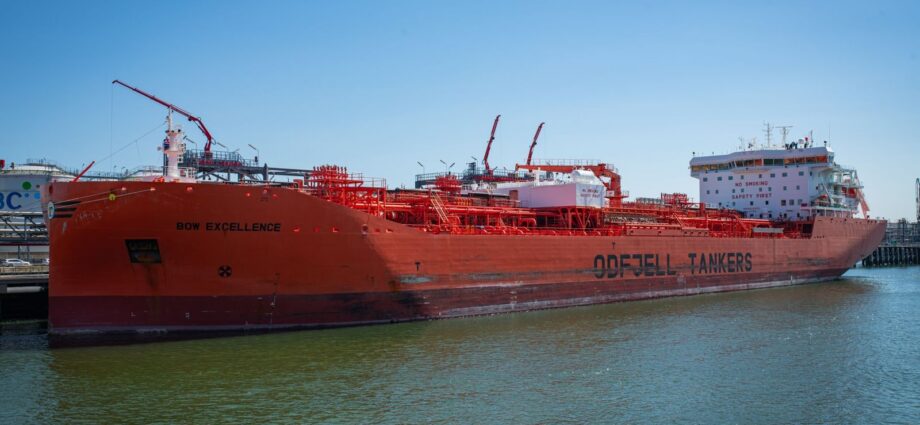
A landmark meeting in Yaoundé on October 20, 2026, has set the stage for a seismic shift in Cameroon’s energy landscape. The gathering brought together Gaston Eloundou Essomba, Cameroon’s Minister of Water and Energy, and a high-powered delegation led by Cédric Ketchanga of KC Trade International. The latter presented a groundbreaking proposal that could revolutionize how Cameroon secures its oil supplies in the wake of a critical refining crisis.
A turning point in Cameroon’s fuel supply chain
At the heart of the proposal lies an unconventional yet potentially transformative financing model. Termed the « Open account 100% » scheme by Ketchanga, this arrangement would see oil shipments delivered to Cameroon first, with payment deferred to a later, unspecified date. While common in European consumer goods trade, such credit-based transactions remain virtually unheard of in the oil sector, where documentary letters of credit are the gold standard. The financial stakes are enormous: a single shipment of gasoline or diesel can run between $30 million and $60 million, depending on vessel size and market prices.
Key details remain shrouded in secrecy. The proposal does not disclose the credit duration, volumes involved, or whether sovereign or bank guarantees would be required. This lack of transparency makes it difficult to assess the true fiscal impact on Cameroon’s treasury or the Société camerounaise des dépôts pétroliers (SCDP), which manages the country’s storage terminals.
Why Cameroon’s oil imports have become a high-stakes battleground
The urgency behind this proposal stems from a crippling energy deficit. Cameroon has been a net importer of refined petroleum products since May 2019, when a devastating fire at the Société nationale de raffinage (Sonara) in Limbé shuttered the country’s only refinery. From January to October 2025, the nation imported approximately 1.58 million tons of liquid fuels and 208,216 tons of liquefied petroleum gas (LPG)—a combined total of nearly 1.79 million tons over ten months. Extrapolated to a full year, the annual demand reaches an estimated 2.1 to 2.2 million tons.
This figure pales in comparison to neighboring Côte d’Ivoire, whose refinery processes around 3.5 million tons annually and remains a net exporter. The contrast highlights the vast market share now up for grabs in Cameroon, a segment long dominated by opaque, direct contracts between Sonara and a handful of pre-approved suppliers. Rüya Bayegan, head of BGN, confirmed post-meeting that the company has already begun deliveries to Cameroon and is exploring further investments in the country’s energy sector.
Beyond supplies: a long-term energy partnership in the making
The delegation’s agenda extended far beyond immediate fuel deliveries. Discussions also explored multi-year supply agreements, the international marketing of Cameroon’s crude oil, and joint ventures in shipping, port infrastructure, and oil facilities. Each of these proposals would bind the state to long-term relationships with private operators whose influence on national supply chains has never been publicly documented.
The commercialization of Cameroon’s crude oil—currently managed by the Société nationale des hydrocarbures (SNH) through quarterly tenders—represents one of the most contentious aspects of the plan. The entry of additional intermediaries could directly impact the country’s oil revenues, especially given Cameroon’s relatively modest production levels of 60,000 to 65,000 barrels per day in recent years. For policymakers, the decision is no longer just about cash flow; it’s about redefining the role of new players across the entire hydrocarbon value chain.
Comments are closed, but trackbacks and pingbacks are open.