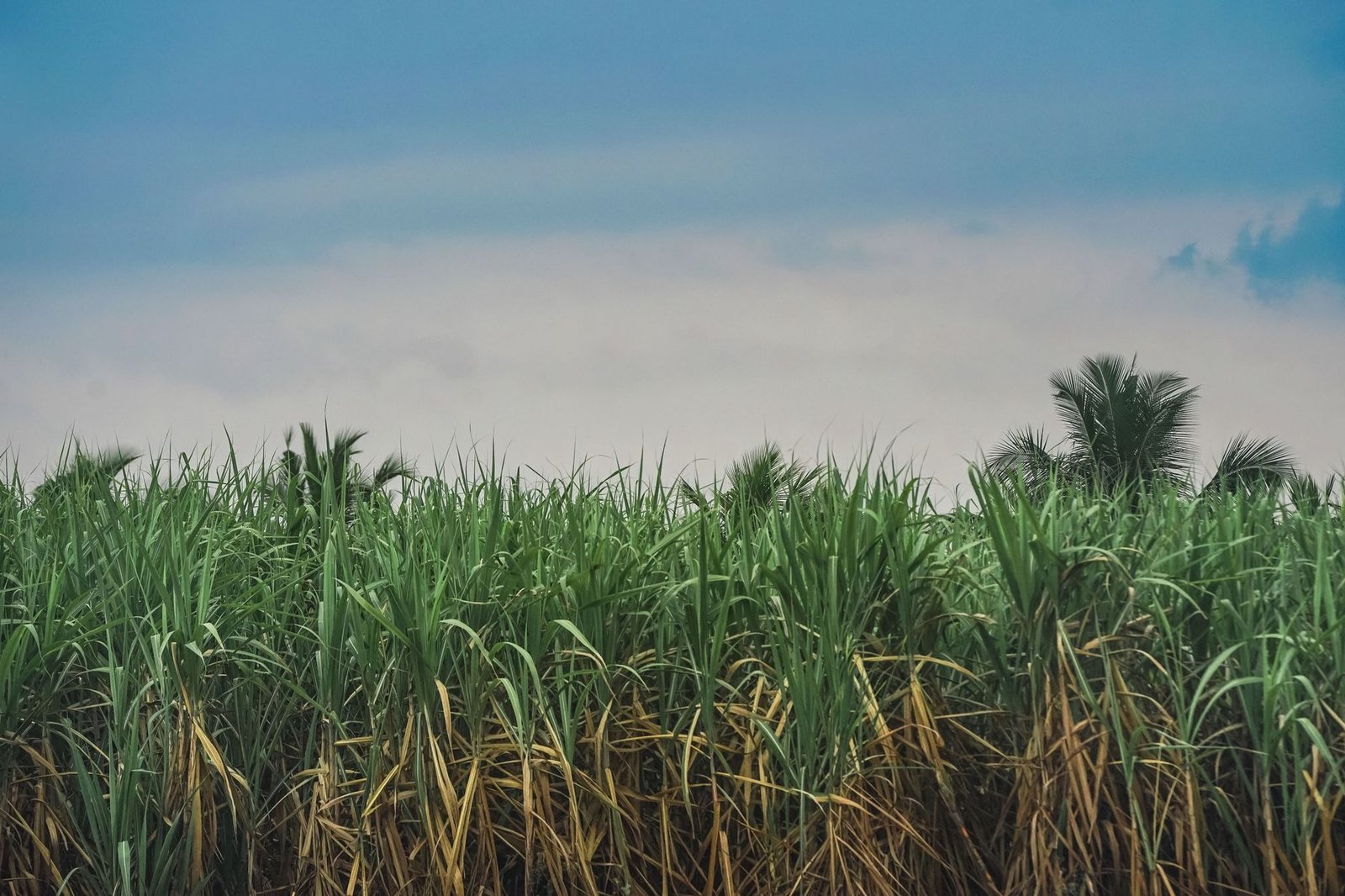
Cameroonian authorities have moved to suspend the divestment of shares held by the Somdiaa group in the Société Sucrière du Cameroun (Sosucam), the nation’s foremost sugar sector operator. This pause, enacted by the Yaoundé executive, effectively freezes a transaction that business circles across the sub-region had closely monitored for several months. The intervention targets a sector critical to Cameroon’s rural economy, where Sosucam stands as a significant employer and a cornerstone of domestic sugar supply.
A strategic industrial asset in Cameroon’s sugar sector
Sosucam has historically been intrinsically linked to the Somdiaa group, a French agro-industrial conglomerate with operations spanning multiple Central and West African markets. Its sugar plantations and complexes, located within the Centre region, account for the majority of the national production. This dominant position bestows upon the company systemic importance for the country’s food security. Consequently, any alteration in its shareholding extends beyond mere corporate adjustments, impacting social and budgetary stability. The dynamics of the *Cameroon sugar industry* are thus closely watched.
Within a market where sugar imports are carefully regulated to safeguard local output, the capital control of this long-standing operator dictates investment trajectories, the preservation of agricultural employment, and pricing policies. Cameroonian public authorities have, on numerous occasions in recent years, underscored their commitment to maintaining the stability of this vital sector, particularly in the face of global price volatility and logistical challenges observed in the Gulf of Guinea. This reflects a broader trend in *Africa politics English* regarding strategic economic assets.
A decision questioning somdiaa’s trajectory in central africa
The administrative blockage of the sale compels Somdiaa to reconsider its planned divestment timeline. The group, which operates in Cameroon, Chad, Gabon, the Central African Republic, and Congo, had initiated a portfolio restructuring in recent years, characterized by asset sales and industrial repositioning. The intended exit from Sosucam was part of this rationalization strategy, driven by increasing climatic, energy, and competitive pressures.
For Yaoundé, the suspension serves as a temporizing measure, allowing time to thoroughly vet the identity of any potential buyer, assess the robustness of their industrial plan, and secure guarantees for both employees and contracted farmers. Precedents observed elsewhere in the sub-region, particularly concerning the disengagement of multinational agro-industrial firms, have fostered heightened state caution regarding operations involving assets deemed strategic. The critical aspects of valuation, social commitments, and the continuity of investments are now central to ongoing discussions. This is a key development in *pan-African current affairs*.
A signal sent to regional investors
This decision reignites a recurring debate surrounding the treatment of sensitive asset divestments within the CEMAC zone. Foreign investors may interpret this as a reminder that transactions involving regulated sectors cannot be finalized without prior political scrutiny. Conversely, Cameroonian authorities aim to demonstrate their firm control over the timeline when a matter of agro-food sovereignty is at stake, a significant piece of *African news today*.
It is important to note that the suspension does not equate to a definitive rejection. Instead, it opens a crucial window for dialogue where the transaction terms, the acquirer’s identity, or the legal structuring of the operation could be renegotiated. The entry of national stakeholders, a regional fund, or a consortium involving the State remains a plausible outcome, mirroring models recently observed in other African nations during the exit of European groups from historical industrial assets.
For Somdiaa, the challenge lies in reconciling its financial imperatives with the expectations of Cameroonian authorities, especially within a regional sugar market susceptible to supply disruptions. For Yaoundé, the period ahead will be instrumental in establishing a framework that guarantees Sosucam’s industrial longevity beyond any change in shareholder, marking a new phase for one of Cameroon’s most sensitive economic dossiers.
Comments are closed, but trackbacks and pingbacks are open.