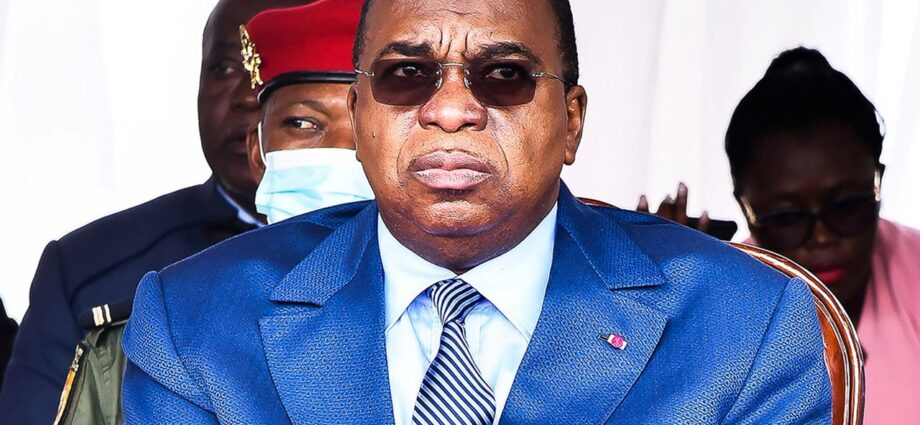

Cameroon takes decisive leap to fund 2027 budget amid financial pressure
With the 2027 budget looming large over Cameroon’s economic landscape, Finance Minister Louis-Paul Motaze is orchestrating a bold financial maneuver to secure vital funding. As the country navigates tightening fiscal constraints and mounting public expectations, Motaze’s strategy could redefine the nation’s economic trajectory for years to come. The stakes couldn’t be higher, and the decisions made now will shape Cameroon’s financial future.
Inside Motaze’s financial playbook: what’s changing in Cameroon’s budget strategy
Motaze’s approach to funding the 2027 budget hinges on a multi-pronged financial offensive. Eurobond issuances and strategic negotiations with international financial institutions like the IMF and CEMAC are at the heart of this plan. These moves aim to stabilize Cameroon’s fiscal framework while addressing pressing liquidity challenges.
The Finance Minister is also leveraging innovative financial instruments to bridge funding gaps. By tapping into regional financial markets and optimizing debt restructuring, Motaze is positioning Cameroon to weather economic turbulence while maintaining essential public services. The strategy reflects a calculated balance between short-term relief and long-term sustainability.
The role of Eurobond issuances in Cameroon’s budget funding
The issuance of Eurobonds has emerged as a pivotal tool in Cameroon’s financial playbook. This strategy allows the country to access international capital markets, securing funds at competitive rates. Motaze’s team is actively engaging with global investors to ensure successful bond placements, which will inject much-needed liquidity into the national budget.
These Eurobonds are particularly critical as Cameroon seeks to reduce its reliance on domestic borrowing, which has placed pressure on local interest rates. By diversifying funding sources, the government aims to mitigate risks while ensuring adequate financing for priority sectors such as infrastructure, healthcare, and education.
IMF and CEMAC negotiations: securing Cameroon’s financial lifeline
Beyond Eurobonds, Motaze’s strategy includes high-stakes negotiations with the International Monetary Fund (IMF) and the Central African Economic and Monetary Community (CEMAC). These talks are focused on securing concessional loans, debt relief, and technical assistance to bolster Cameroon’s financial resilience.
The IMF’s involvement is particularly significant, as its programs often come with stringent fiscal reforms. Motaze is navigating these conditions to align with Cameroon’s broader economic goals, ensuring that the country remains on a sustainable growth path. Meanwhile, CEMAC’s support could provide critical liquidity injections through regional financial mechanisms.
Public reaction: weighing the impact of Motaze’s budget funding strategy
Cameroon’s public and private sectors are closely scrutinizing Motaze’s financial strategy. While some stakeholders praise the government’s proactive approach, others express concerns about the long-term implications of increased debt. Critics argue that reliance on external borrowing could exacerbate fiscal vulnerabilities, particularly if global economic conditions deteriorate.
Households and businesses, too, are feeling the ripple effects. Rising debt levels may lead to higher taxes or reduced public spending in key areas. However, proponents of Motaze’s plan emphasize that without these measures, Cameroon risks falling further behind in its development goals, with severe consequences for its citizens.
What’s next for Cameroon’s economic future?
The coming months will be decisive for Cameroon’s economy. Motaze’s financial strategy is a high-wire act, balancing immediate needs with long-term stability. If successful, it could position Cameroon as a regional economic leader, attracting investment and fostering sustainable growth.
However, the road ahead is fraught with challenges. Global financial markets remain volatile, and domestic political pressures could complicate implementation. For Motaze, the next steps will require not just financial acumen but also diplomatic finesse to steer Cameroon through this critical juncture.
One thing is certain: the decisions made today will echo through Cameroon’s economic landscape for years to come.
Comments are closed, but trackbacks and pingbacks are open.