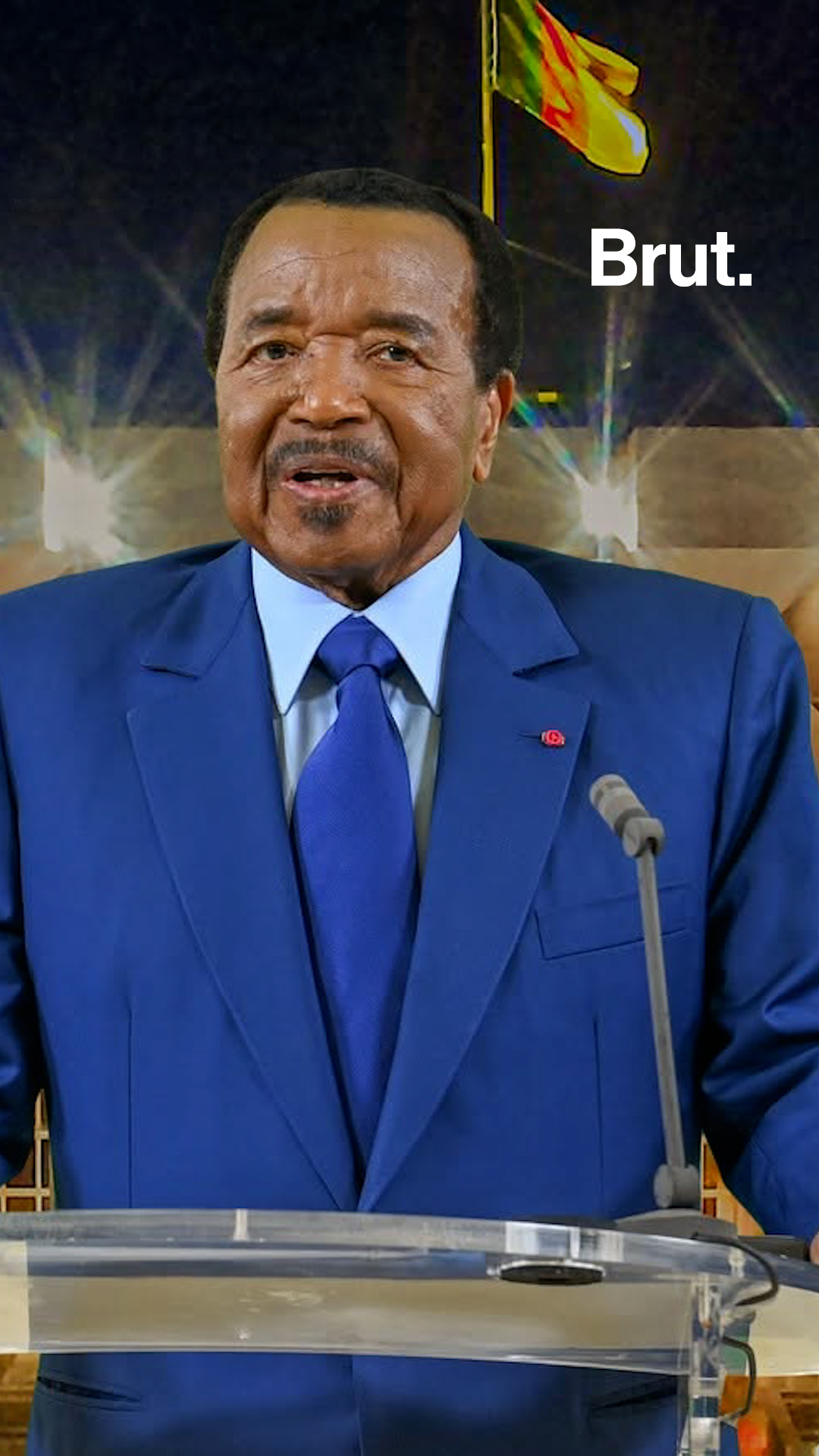
In Cameroon, the official publication of presidential decrees promoting five brigadier generals has reignited public discussion regarding the absence of President Paul Biya from the public eye. The head of state has not been seen in person since departing the country on June 7, raising questions about his capacity to govern.
Social media platforms have become hotspots for speculation, with netizens scrutinizing the legitimacy of the decrees’ signatures. Meanwhile, government officials have moved swiftly to reassure the nation that Paul Biya remains firmly in control, despite his prolonged absence from the country.
Questions swirl as new military appointments raise eyebrows
The five new brigadier generals were appointed through presidential decrees, a routine administrative process that typically garners little attention. However, this time, the timing and circumstances have drawn unusual scrutiny. Critics question whether such high-level decisions can be made without the president’s physical presence, while supporters argue that institutional continuity must be maintained regardless of individual circumstances.
Government responds with assurances of presidential authority
In a statement released by the presidency, officials emphasized that President Biya continues to exercise his duties remotely. The document highlighted that all decrees are issued under his authority, and that the chain of command within the armed forces remains unbroken. Yet, the lack of visual confirmation—such as public appearances or official broadcasts—has done little to quell public skepticism.
Public reaction: from skepticism to outright doubt
On platforms like Twitter and Facebook, citizens have expressed a range of opinions. Some argue that the absence of the president, who has led Cameroon for over four decades, is cause for concern, while others suggest that the government is merely concealing a potential health crisis. The debate has even extended to the authenticity of the decrees’ digital signatures, with some questioning whether they were applied by authorized personnel.
Amid the uncertainty, one thing is clear: the situation has exposed deep-seated anxieties about leadership and transparency in Cameroon. As the nation watches and waits, the government faces mounting pressure to provide clearer evidence of the president’s ongoing engagement in state affairs.
Comments are closed, but trackbacks and pingbacks are open.