Political analysis
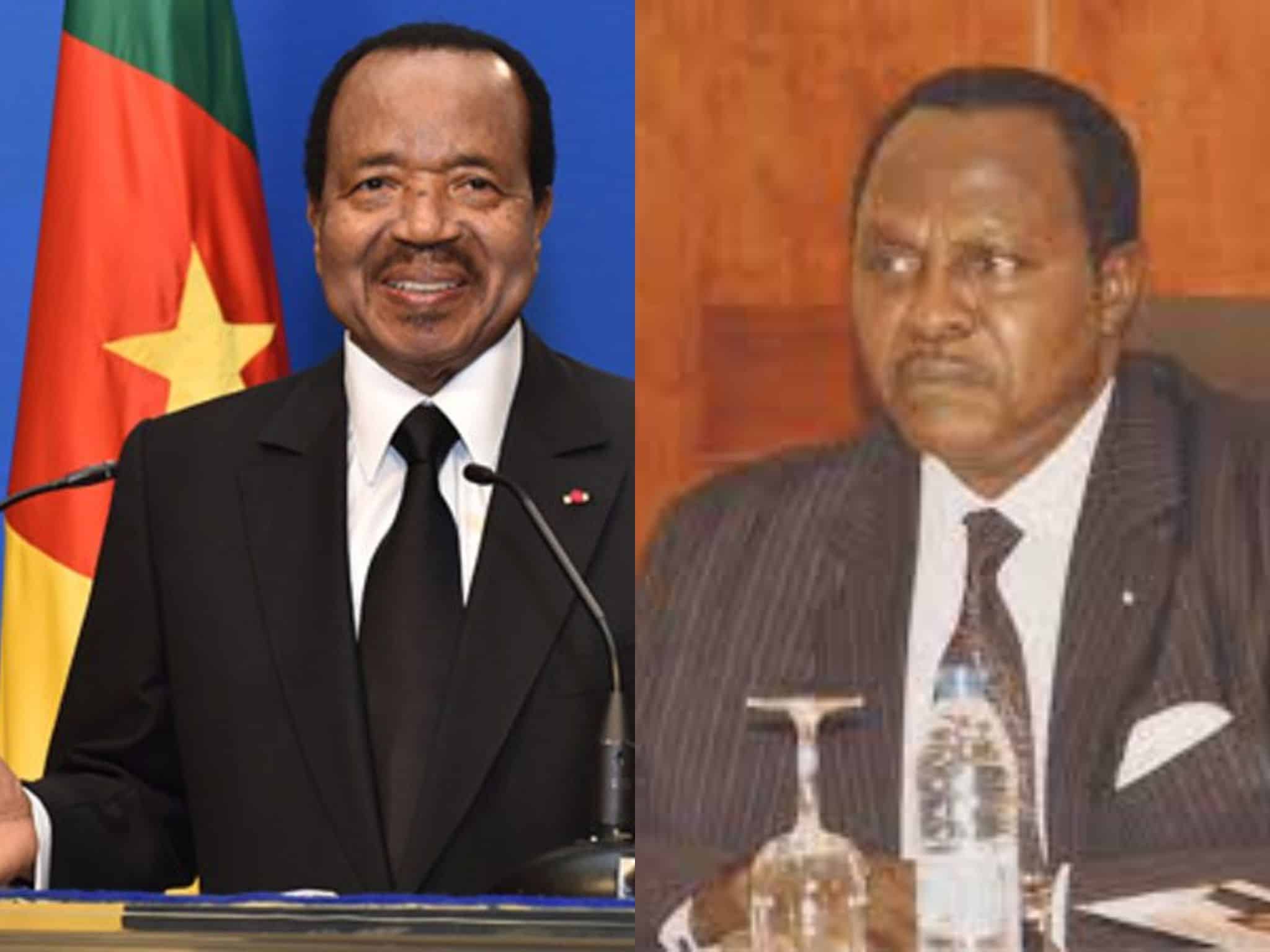
Shanda Tonme: Cameroon’s political crisis demands more than superficial fixes
The Mediator, Chair of the Independent Commission Against Corruption and Discrimination (COMICODI), and President of the Popular Movement for Dialogue and Reconciliation (MPDR) issues a stark warning about the country’s future.
Cameroon’s existential dilemma: beyond political rhetoric
No room for untouchables in the Republic
The Mediator warns that Cameroon’s political landscape cannot tolerate untouchable citizens. The government, vice-presidency, and all institutions must undergo a thorough cleansing to address the nation’s deep-rooted issues. Superficial fixes and hastily chosen actors will only perpetuate the toxic networks of corruption that have plagued the country.
Shanda Tonme emphasizes that the current crisis is not merely political but existential for the nation, the state, and the republic. The question now is whether Cameroon will settle for a superficial overhaul with recycled actors or commit to building strong, pragmatic institutions led by truly patriotic and loyal leaders.
A president facing unparalleled challenges
President Paul Biya, who assumed office with promises of progress, now confronts a situation more complex and dangerous than any previous leader in Cameroon’s history. While he cannot be solely blamed for the nation’s woes, his four decades of leadership have been marked by betrayals and corruption from within his inner circle.
Tonme acknowledges Biya’s resilience and tolerance in the face of such betrayals, noting that patience and strategic perseverance have become the president’s defining approach. The Mediator argues that Cameroon’s political elites cannot be reshuffled overnight. The nation’s fragility demands a long-term vision rather than impulsive decisions.
The urgency of time and the cost of patience
Tonme warns against the illusion of urgency, emphasizing that a nation’s destiny cannot be rushed. The path to recovery requires sustained sacrifice and patience, challenging the notion that Cameroon’s political crisis can be resolved quickly. The Mediator stresses that the nation’s future depends on breaking free from toxic influence networks that have long hindered progress.
In his closing remarks, Tonme reiterates that Cameroon’s future belongs to all its citizens, not to any particular group or clan. The nation’s destiny is not a matter of rushing decisions but of embracing the difficult path toward genuine reform and renewal. The time for reckoning will come, but it must be guided by wisdom, not desperation.
Be the first to comment
Comments