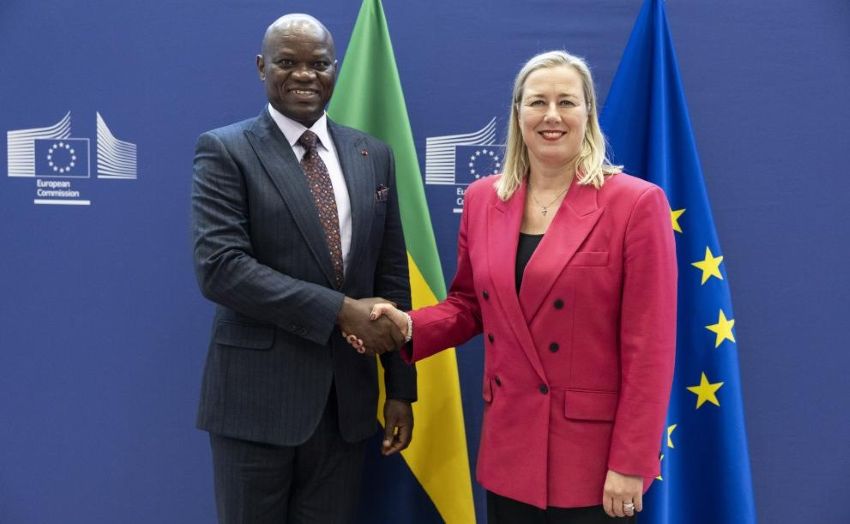
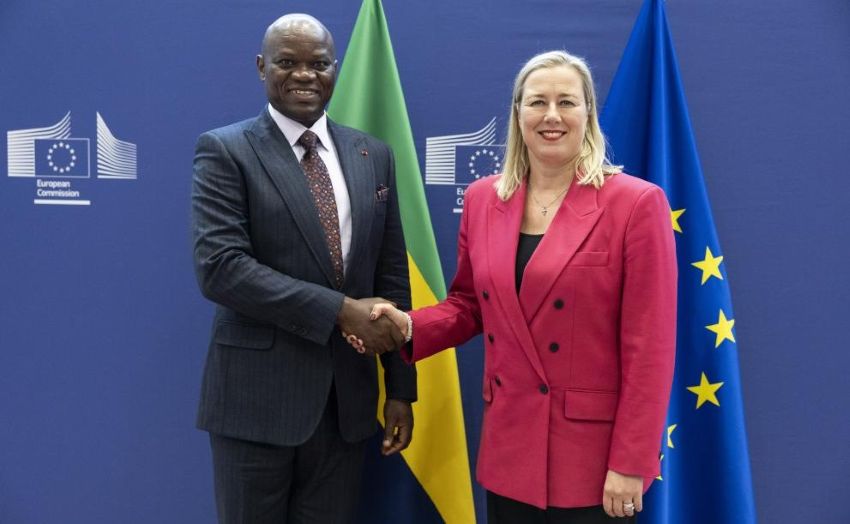
Libreville — In a decisive move toward national economic autonomy, Gabon has officially concluded its long-standing fishing partnership with the European Union. This landmark decision, finalized on June 29, 2026, marks the end of nearly two decades of maritime cooperation that began in 2007.
A strategic pivot for national resources
The refusal to renew the Sustainable Fisheries Partnership Agreement represents a fundamental shift in Libreville’s economic strategy. Rather than continuing a contract that has governed the exploitation of its maritime wealth for 19 years, the government is now prioritizing the direct integration of these resources into the country’s own development framework.
This bold step aligns with the vision of President Brice Clotaire Oligui Nguema. The administration is determined to move beyond the traditional model of exporting raw materials, focusing instead on local value addition. By reclaiming control over its territorial waters, Gabon aims to transform its natural assets into a cornerstone of a modern, self-reliant economy.
Moving past an imbalanced partnership
For nineteen years, European fleets operated extensively within Gabonese waters. While the arrangement was originally framed as a mutually beneficial economic tool, internal reviews eventually highlighted significant disparities. The financial returns for Gabon were often deemed insufficient compared to the massive volume of biological wealth being extracted.
A primary concern was the lack of local industrialization. Most of the catch was exported directly to international markets with zero processing occurring on Gabonese soil. This system effectively stifled the growth of a domestic fishing industry, preventing the creation of specialized jobs and the development of local expertise. In an era where African nations are increasingly seeking to balance international trade relations, the previous status quo was no longer sustainable for Libreville’s ambitions.
Building a robust blue economy
The termination of the agreement paves the way for an ambitious new domestic policy. The government intends to use the fishing sector as a primary engine for economic diversification through three specific pillars:
- Local Processing: Establishing industrial units to ensure that seafood is processed within Gabon before reaching any market.
- Food Security: Prioritizing the domestic market to improve the availability and affordability of fish for the Gabonese population.
- Industrial Growth: Encouraging the rise of national companies capable of competing at an international level.
With a coastline stretching over 800 kilometers, Gabon possesses some of the richest maritime resources in the region. By fostering private investment in cold storage, maritime logistics, and food technology, the country is laying the groundwork for a thriving “blue economy” that generates both employment and national wealth.
The path to maritime sovereignty
This decision is about more than just fishing rights; it is a powerful symbol of a nation taking charge of its destiny. The challenge moving forward will be to translate this political will into tangible industrial results. Success will require modernizing infrastructure, training a skilled workforce, and maintaining transparent governance over maritime activities.
By choosing local transformation over raw exports, Gabon is sending a clear message to the global community. The nation is no longer content to be a mere supplier for foreign markets. True prosperity, as Libreville now asserts, comes from the ability to process, value, and sustainably manage one’s own natural heritage.
Comments are closed, but trackbacks and pingbacks are open.