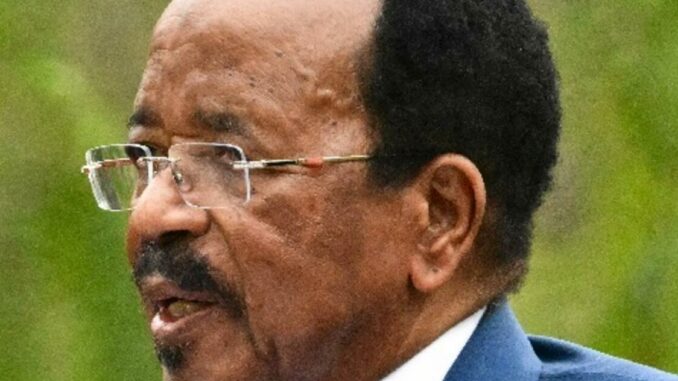
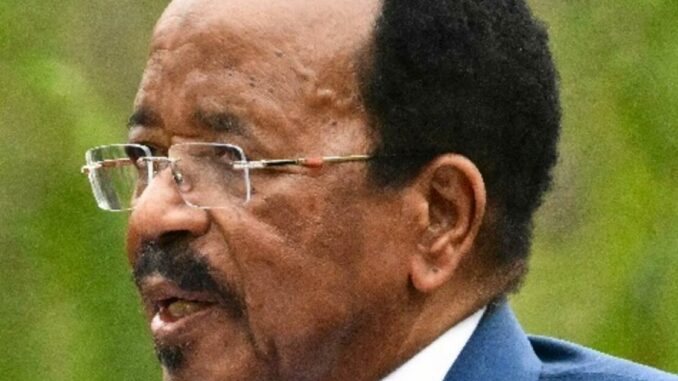
For over two months, Cameroon’s president, Paul Biya, has remained outside the country, officially on a brief private visit to Europe. At 93 years old, the long-standing leader’s prolonged absence has sparked concerns about his ability to govern, while the government’s silence only deepens public speculation amid a politically charged atmosphere following the uncertainty of the post-election period.
Officials insist there is no power vacuum or institutional crisis, claiming that Biya continues to oversee state affairs remotely. They point out that Cameroon’s constitution does not impose any time limit on presidential stays abroad, reinforcing the government’s stance that governance remains uninterrupted. Yet, these assurances have done little to quell the growing unease among citizens and political observers.
The opposition has been particularly vocal. Maurice Kamto’s Movement for the Renaissance of Cameroon (MRC) criticizes the lack of transparency, arguing that Cameroonians deserve clarity on both the president’s health and his capacity to fulfill his duties. According to the party, the secrecy surrounding Biya’s trip only fuels more questions than it answers.
Some critics, however, frame the debate in broader terms. Cabral Libii, leader of the Cameroon People’s National Rescue Party (PCRN), suggests that the real issue lies not in Biya’s absence but in the weaknesses of the legal framework governing presidential power. He proposes that the upcoming legislative and municipal elections in early 2027 could serve as a catalyst for institutional reforms.
The prolonged absence comes at a critical juncture—just eight months into what is expected to be Biya’s final term. It has reignited long-standing discussions about governance, succession, and the urgent need for greater transparency at the highest levels of the state. More than a mere controversy over a presidential trip, this situation exposes the vulnerabilities of a political system that has revolved around a single leader for more than four decades.
Comments are closed, but trackbacks and pingbacks are open.