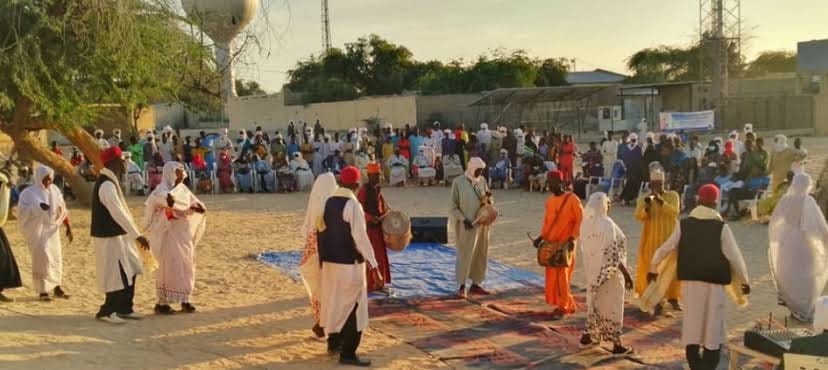
N’Djamena weddings: how sudanese traditions are reshaping tchadian nuptial customs
Weddings in N’Djamena are increasingly adopting sudanese-inspired customs, raising concerns about the preservation of traditional tchadian marriage practices. Modern ceremonies are gradually overshadowing local traditions, prompting debates on cultural identity and heritage.
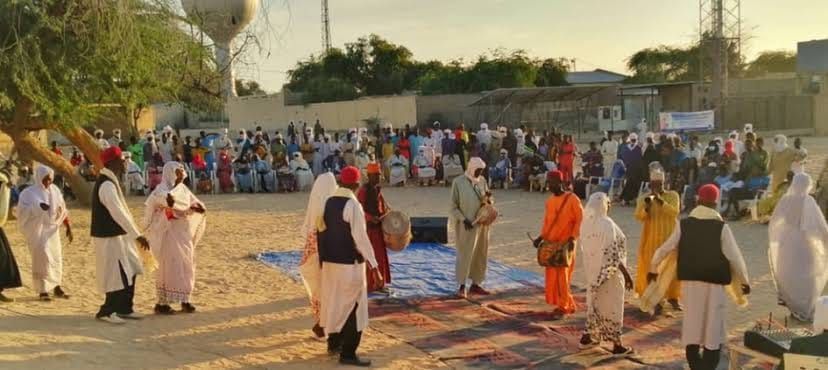
N’Djamena’s wedding scene is undergoing a cultural metamorphosis, with sudanese traditions increasingly taking center stage in local celebrations. This shift has sparked discussions about the future of indigenous tchadian marriage customs and the broader implications for cultural identity in the capital.
Sudanese customs gaining ground in tchadian weddings
Traditional sudanese wedding practices have become commonplace in N’Djamena. Grooms now receive elaborate henné designs on their hands and feet, mirroring their brides. The groom is often paraded in a procession to the bride’s home, where he lifts her in front of guests before carrying her to his residence. Days later, another ceremony unfolds as he presents jewelry to his wife in the presence of both families. While visually striking, these customs contrast sharply with the more subdued, family-centered tchadian traditions of the past.
Contrasting traditions: the nostalgic tchadian wedding
In contrast, traditional tchadian weddings were marked by wisdom shared by elders, deep familial respect, and understated elegance. After the dowry was settled, the couple maintained minimal contact until the wedding day. The bride would leave her family home accompanied by her mother and grandmother, who imparted lessons on patience, household management, forgiveness, and marital responsibility.
One week post-wedding, the bride’s family would symbolically entrust her to neighbors, asking them to guide her through challenges and celebrate her successes. This practice reinforced community bonds and ensured the bride’s smooth integration into her new life.
Modern influences reshaping local celebrations
The entertainment aspect of weddings has also transformed. Griots, traditional drummers, and communal songs that narrated the couple’s lineage and community history are being replaced by contemporary performances. Elders voice concerns that this shift diminishes cultural transmission for younger generations.
In neighborhoods like Bololo, it’s now common to encounter weddings where every detail—from décor to attire, henné sessions, music, and staged bride-groom entrances—closely mirrors sudanese customs. Some guests even struggle to differentiate between a tchadian and a sudanese wedding.
Voices from the community
A local elder in Bololo reflects on the changes: « Previously, a tchadian wedding was a school of life. Elders spoke, the youth listened, and everyone left with wisdom. Today, the focus is on spectacle over substance. »
Maman Azma, a community leader and director of the Lamy Fortain association, expresses her fears: « Young women today are familiar with foreign wedding customs, yet many remain unaware of the traditions their grandmothers practiced. If we fail to pass these down, they will vanish forever. »
A younger perspective
Not everyone views the changes negatively. One groom explains: « We adopt beautiful customs from other cultures, but this doesn’t mean we reject our own. The priority is preserving the values that define marriage. »
The balancing act: preserving identity amid change
The evolution of wedding traditions in N’Djamena raises a critical question: how can tchadian culture preserve its identity while embracing external influences? Heritage experts emphasize that the solution lies not in rejecting foreign customs but in ensuring that tchadian traditions are actively passed down to future generations before they fade into obscurity.
Comments are closed, but trackbacks and pingbacks are open.