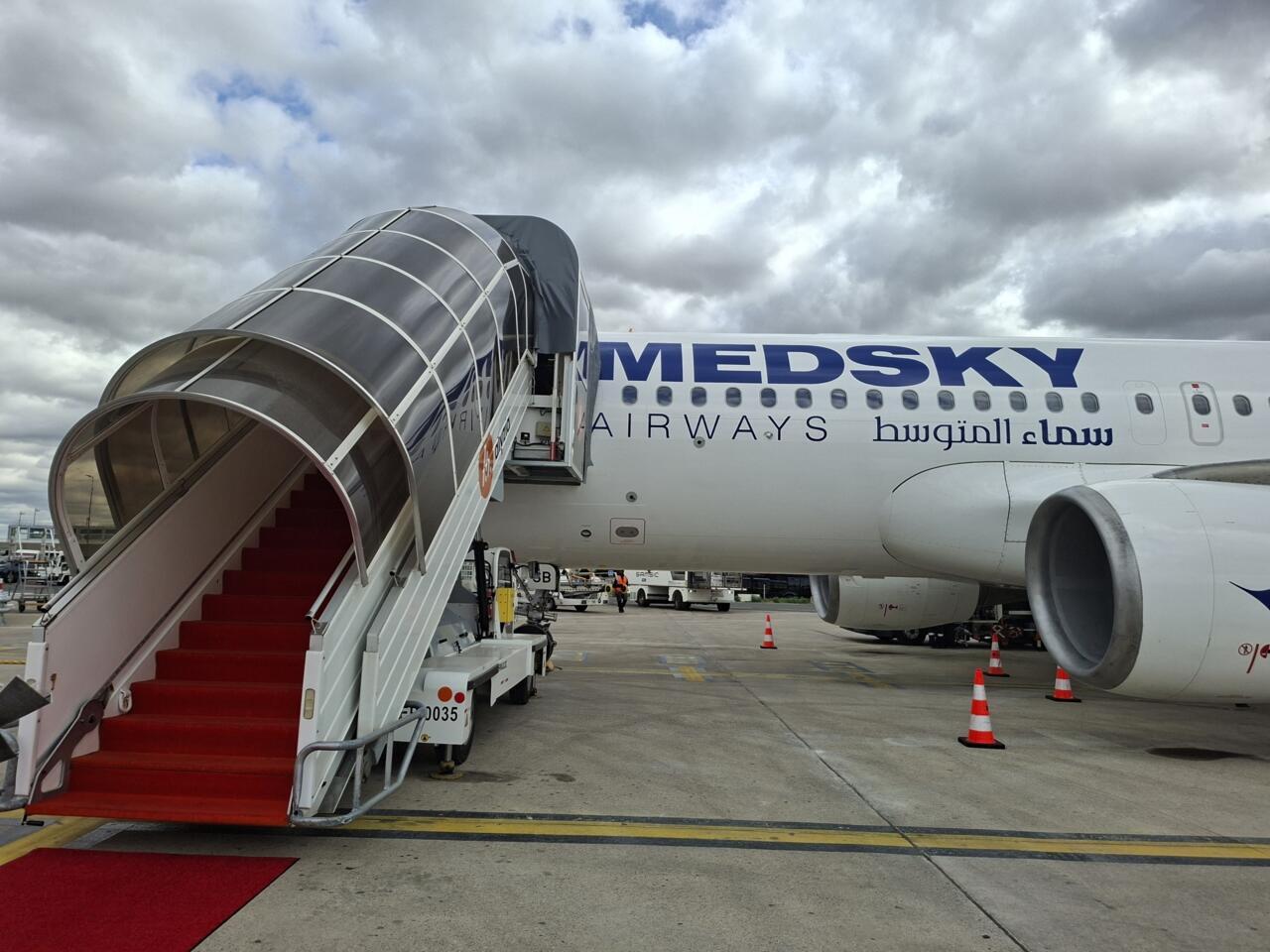
Yaoundé is taking measured steps to assess Libya’s bold proposal for a direct air route between Tripoli and Cameroon’s capital. Following a high-level meeting on September 23, 2026, between Cameroonian Transport Minister Jean Ernest Masséna Ngallè Bibehè and Libya’s chargé d’affaires Adel Shawi, the government has moved swiftly to set up technical working groups. These teams are tasked with evaluating the feasibility, security implications, and economic potential of reviving this long-dormant aviation link. While the initiative is seen as a potential catalyst for deeper cooperation, concerns remain over Libya’s airspace stability and the practical hurdles of implementation.
What the Tripoli–Yaoundé air link means for Cameroon’s aviation landscape
The proposed direct flights between Tripoli and Yaoundé are more than just a new route—they signal a strategic pivot in Cameroon’s regional connectivity. The minister’s audience with the Libyan delegation underscores a willingness to explore new partnerships, but not without scrutiny. Cameroonian authorities have emphasized the need for concrete guarantees, particularly regarding flight safety and regulatory alignment, before greenlighting any agreement. The move comes as Libya’s MesSky airline resumes international services, including a new Paris route launched on September 17, signaling a cautious reopening of its airspace after years of restrictions.
Public reactions: cautious optimism meets skepticism
The announcement has sparked a wave of reactions across political, economic, and travel circles. Proponents argue that a Tripoli–Yaoundé link could slash travel time for business and leisure passengers, foster stronger trade ties, and position Cameroon as a gateway to North and West Africa. Critics, however, question Libya’s aviation reliability in the wake of lingering security concerns and infrastructure gaps. Analysts are divided on whether this partnership will materialize into tangible benefits or remain a symbolic gesture.
Civil society groups have called for transparency, urging authorities to disclose the terms of the proposed agreement and its projected impact on local airlines. Meanwhile, trade associations highlight potential gains in cargo transport, particularly for perishable goods, if customs and logistical processes are streamlined.
Next steps: navigating challenges and securing a deal
Cameroon’s technical teams are expected to finalize their assessments within the coming months, focusing on three critical areas:
- Safety and compliance: Evaluating Libya’s air navigation systems and adherence to international aviation standards.
- Economic viability: Assessing demand for travel and trade between the two capitals to determine route profitability.
- Infrastructure readiness: Ensuring Yaoundé’s international airport (NDA) can accommodate increased traffic without overstraining existing resources.
The government has reiterated its openness to collaboration but insists that any deal must prioritize Cameroon’s interests. Parallel discussions are reportedly underway to integrate this route into a broader African aviation master plan, aiming to harmonize policies and reduce cross-border travel barriers.
Could this be a game-changer for African aviation?
If realized, the Tripoli–Yaoundé air link could serve as a model for other African nations seeking to reconnect their skies amid post-pandemic recovery. It would also mark a rare instance of North–Central African cooperation in a sector historically fragmented by geopolitical tensions. However, experts warn that without robust implementation frameworks, the initiative risks becoming another unfulfilled promise in the continent’s aviation sector.
The coming weeks will be decisive. Will Cameroon’s cautious approach yield a durable partnership, or will the proposal fade into the archives of diplomatic half-measures? One thing is clear: the stakes extend far beyond a single flight route.
Comments are closed, but trackbacks and pingbacks are open.