Cameroon’s road network: 2,442 km paved amidst ongoing challenges
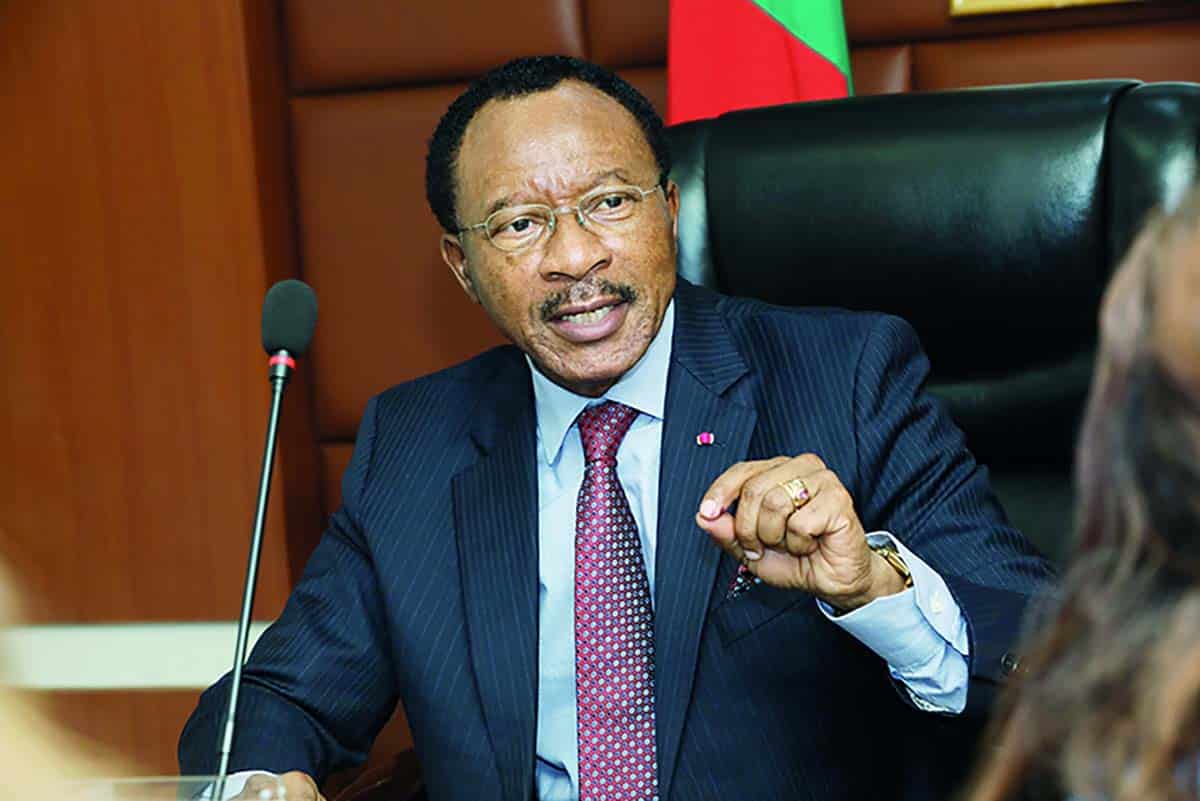
The Minister of Public Works, Emmanuel Nganou Djoumessi, recently provided a detailed assessment of the nation’s road infrastructure in Yaoundé, highlighting significant advancements alongside persistent obstacles.
Minister Djoumessi outlines progress and challenges at SAGO 2026
During a public conference held on June 11, 2026, at the Salon de l’Action Gouvernementale (SAGO 2026), Emmanuel Nganou Djoumessi, the Minister of Public Works, provided a comprehensive overview of Cameroon’s national road network. The session, drawing significant attention, was dedicated to the ongoing enhancement of the country’s vital road infrastructure, detailing current projects, achievements, and the various constraints impacting sector performance.
Addressing an audience of media professionals, road users, and exhibition attendees, Minister Djoumessi presented an interim review of the National Development Strategy 2020-2030. He meticulously outlined the progress made since the start of 2026 and highlighted the persistent challenges that continue to slow down the implementation of road projects. The Minister placed particular emphasis on the measures being undertaken to ensure the lasting quality and improved connectivity of the Cameroonian road network, identifying the structural road network as the primary focus of the Ministry of Public Works’ interventions.
Minister Djoumessi reiterated the fundamental importance of developing road infrastructure as a key driver for economic growth and fostering territorial cohesion. He underscored that the initiatives led by his ministerial department are directly contributing to the realization of commitments set forth by His Excellency Paul Biya, the President of the Republic, within the framework of the National Development Strategy 2020-2030.
In his presentation of the strategy’s mid-term assessment, the Minister reported significant strides in the road sector. To date, approximately 2,442 kilometers of roads have been asphalted, and around 833 kilometers of degraded routes have been successfully rehabilitated. However, he candidly acknowledged that delays persist, particularly in the critical area of road maintenance.
Several principal factors continue to hinder efficient project execution. These include security concerns in certain operational regions, the complexities of financing mobilization procedures, extended public procurement timelines, cash flow challenges faced by construction companies, and notably, the limited resources specifically allocated for the upkeep of the existing road network.
Despite these considerable impediments, the Minister highlighted the notable progress achieved over the past five years. The total length of asphalted roads across Cameroon impressively increased from 8,498 kilometers in 2020 to nearly 10,939 kilometers by the end of 2025. This represents a robust average annual progression of over 488 kilometers of paved roads, demonstrating a consistent commitment to advancing Cameroon road infrastructure.
Regarding future prospects, Emmanuel Nganou Djoumessi affirmed that all actions initiated since the beginning of 2026 are firmly aligned with the highest directives from the President of the Republic. A strong emphasis is being placed on the structural road network, a sustained improvement in infrastructure quality, and enhancing connectivity between all regions of Cameroon.
Related Posts