As Togolese citizens grapple with an economically stifling crisis and constantly rising living costs, the government’s diplomatic spending has triggered widespread outrage. Based on analyses of sovereignty budgets and international influence contracts, the process leading to the UN vote and promotion of the “new map of Africa” reportedly cost Togolese taxpayers a staggering 2 million US dollars.
For months, Togo’s foreign ministry waged an intense campaign to champion this cartographic initiative. Yet behind the triumphant narrative of “Togo’s diplomatic radiance,” the financial ledger of this operation reveals the vast public funds funneled into what is essentially a symbolic triumph.
Breaking down the bill: tours, lobbying, and consulting firms
Where did those 2 million dollars, drawn from state coffers, actually go? A closer look at logistical and diplomatic flows exposes the allocation of resources:
- International lobbying and strategic consulting firms: To get the resolution onto the UN General Assembly’s agenda and win over Western and Asian chanceries, Lomé relied on influence shops specializing in business diplomacy and crisis communications. Among the contractors and intermediaries were Paris-based PR firms (typically working for African presidencies) and American lobbying outfits in Washington, D.C., registered under the Foreign Agents Registration Act (FARA) to introduce Togolese diplomacy to English-speaking decision-makers. These contracts for fees and multilateral strategy advice were settled in foreign currency, totaling hundreds of thousands of dollars.
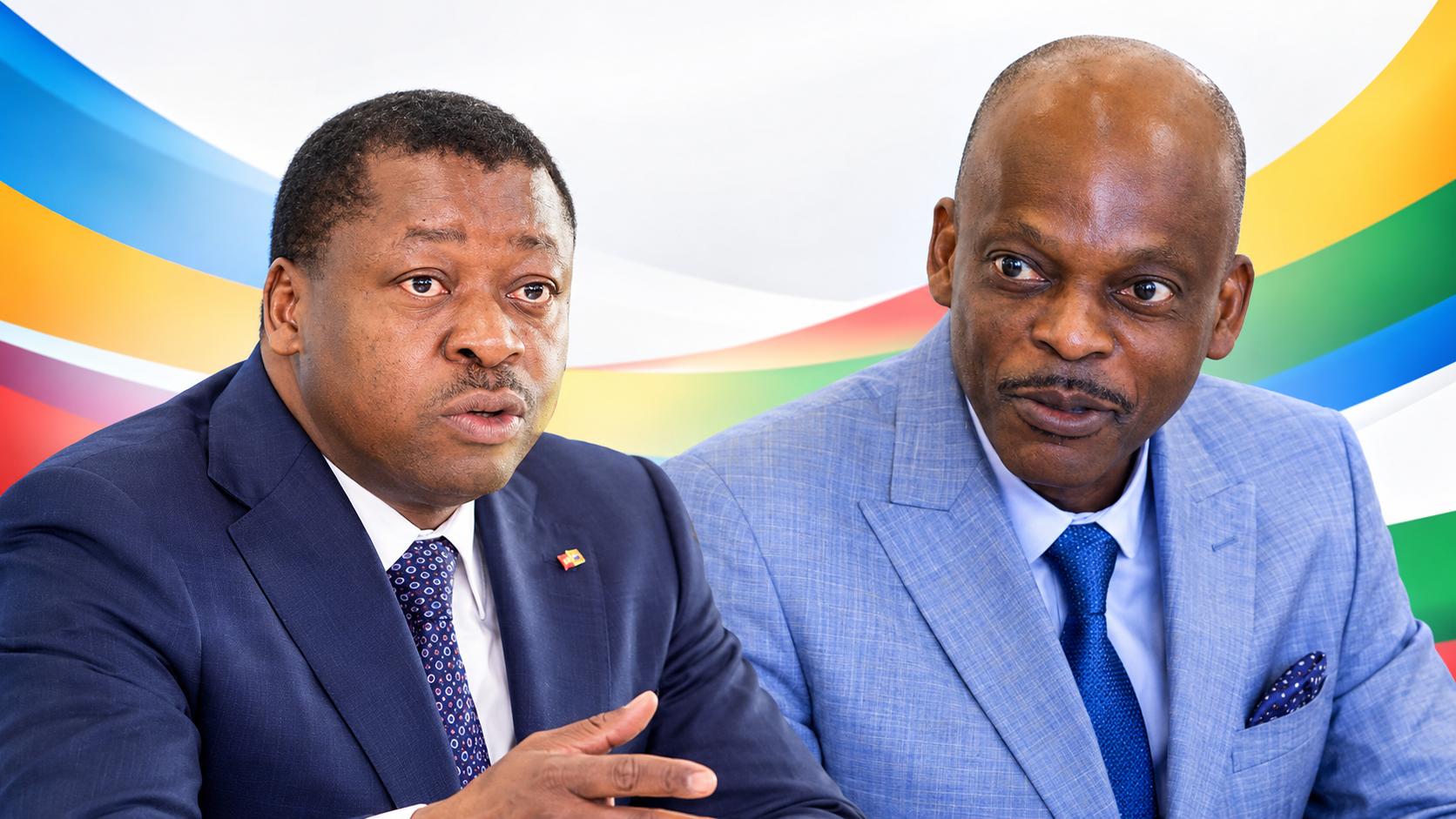
- Diplomatic tours by Robert Dussey: The foreign minister made numerous first-class trips, staying in luxury hotels in New York, Paris, Geneva, and several African capitals, to conduct direct lobbying. Privatized flights, hefty per diems, and official delegation representation costs formed a massive chunk of the bill.
- Ceremonial diplomacy and support receptions: Official dinners, diplomatic gifts, and covering expenses for international delegates and experts at preparatory meetings—all these logistical costs aimed at securing favorable votes sent secondary expenses soaring.
- Communications agencies and influence media: Funding targeted press relations campaigns in international media, publishing sponsored op-eds, and organizing tailor-made symposiums to give the initiative academic legitimacy.
A priority disconnected from social emergencies
For civil society and economic observers, wasting such financial resources is indefensible given national realities. Two million dollars—over one billion CFA francs—could have equipped hospitals in Kara, Dapaong, or even Adetikopé suffering from basic supply shortages, built classrooms, or funded aid programs for the most vulnerable households.
By prioritizing prestige operations and heavy reliance on foreign consulting firms over citizens’ fundamental needs, Togo’s leadership once again underscores the chasm between its image-driven ambitions on the global stage and the everyday urgencies of the Togolese people.