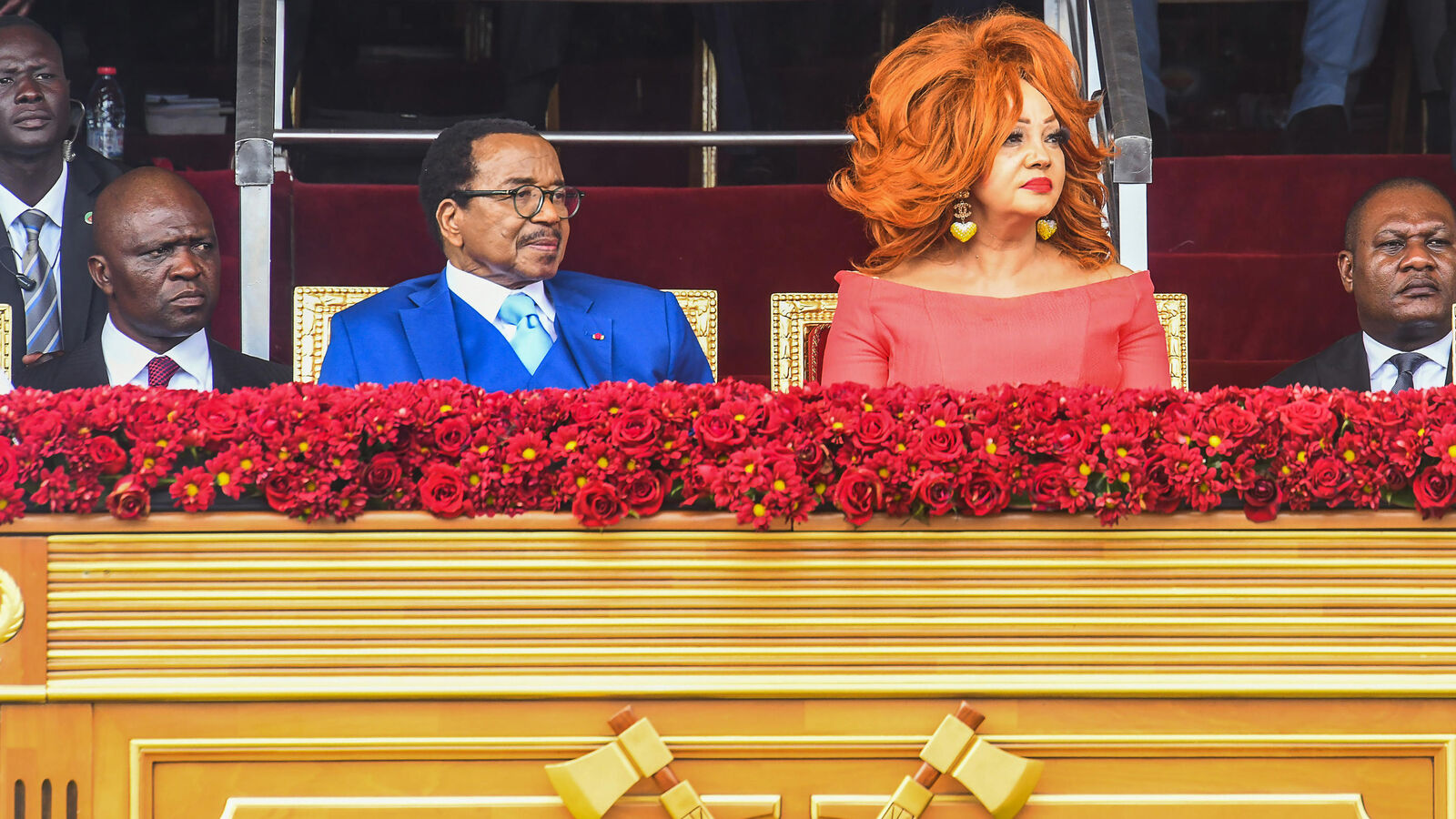
The corridors of power in Yaoundé may as well be echo chambers these days. For over sixty-five consecutive days, President Paul Biya has remained in Switzerland, marking an unprecedented absence during his forty-three-year tenure at the helm of Cameroon. The government insists everything is under control, yet the prolonged silence from the nation’s longest-serving leader has ignited a wave of skepticism both within opposition circles and beyond.
Geneva replaces Yaoundé: where decisions are made in the shadows
Switzerland’s Geneva has quietly become the de facto administrative center for Cameroon’s government operations. Official decrees continue to be signed from afar, and cabinet meetings are reportedly held under the watchful eyes of advisors, leaving many to question the legitimacy of decisions made without the president’s physical presence. The absence of public appearances or press interactions has only deepened public unease, with citizens and political analysts alike pondering the implications of a leader governing from a distance.
Health rumors and succession whispers dominate national discourse
In the absence of clear communication, speculation has taken over. Some Cameroonians openly wonder whether the president remains alive, while others question his capacity to lead amid reports of undisclosed health issues. The government has yet to address these concerns directly, instead relying on routine statements that do little to dispel the growing doubts. Meanwhile, opposition figures have seized the moment to amplify calls for transparency, demanding answers about the president’s condition and the future of leadership in the country.
Public silence and official decrees: a leadership vacuum?
The extended absence has not gone unnoticed by international observers either. Diplomatic missions and foreign governments, accustomed to engaging with Cameroon’s president during official visits, now find themselves navigating a leadership void. The lack of visible leadership has raised concerns about governance stability, particularly as the nation faces pressing socio-economic challenges. Critics argue that the prolonged silence from the presidency undermines public trust and exacerbates political instability.
As days turn into weeks without a clear resolution, the questions mount: Is Paul Biya still in command? Who truly holds the reins of power in Cameroon today? And what does this prolonged absence mean for the nation’s future? With no immediate signs of the president’s return, the uncertainty gripping Cameroon shows no signs of easing.
Comments are closed, but trackbacks and pingbacks are open.