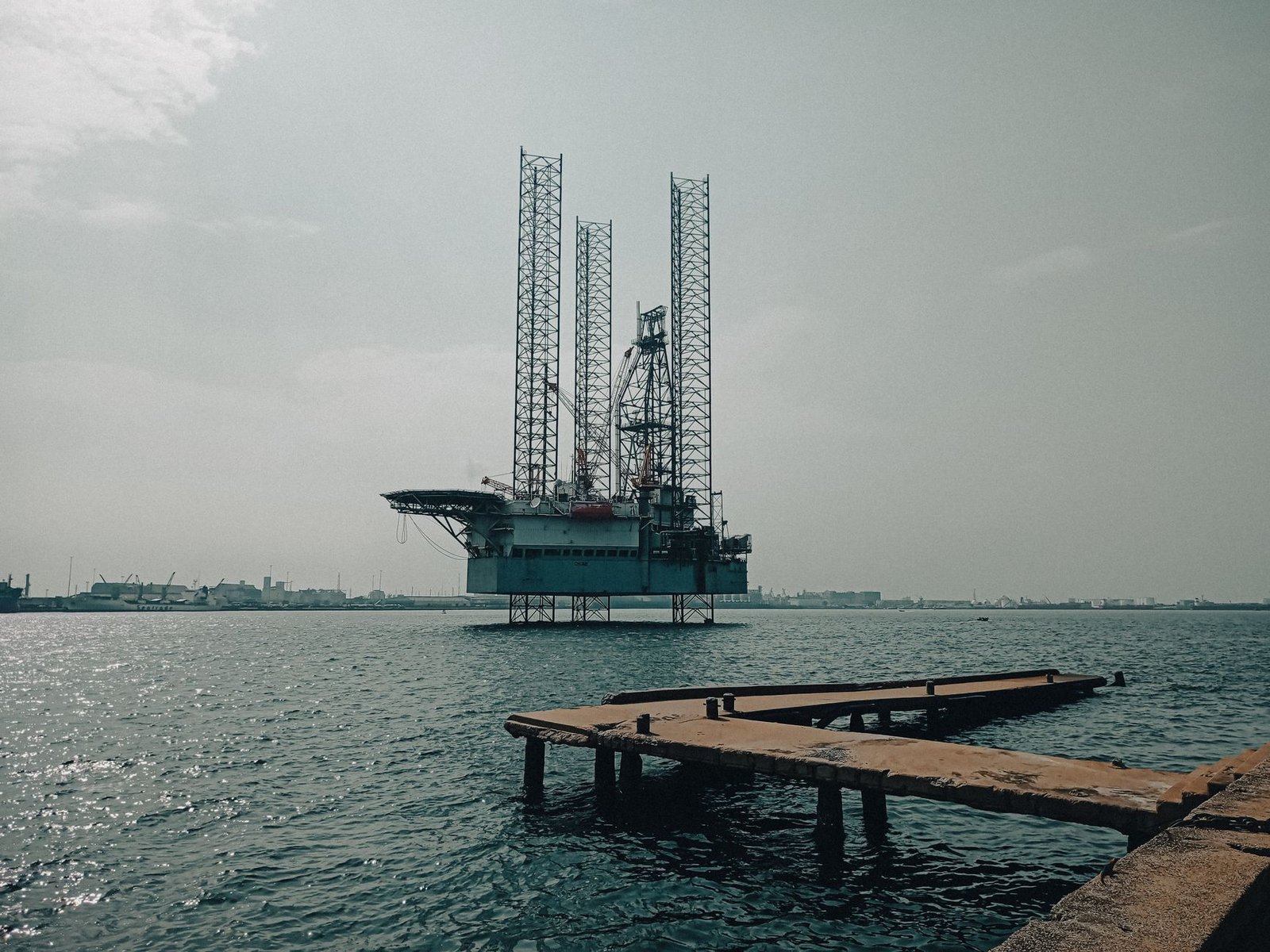
The Thali oil permit in Cameroon has reached a pivotal moment, but the fallout from Yaoundé’s decision to approve Prime Global Energies’ 42.5% stake is sparking intense debate. Tower Resources, the British operator behind the offshore permit, has received presidential authorization for the transaction—an arrangement that could inject $15 million (around 8.65 billion FCFA) into the stalled NJOM-3 appraisal well. The deal, structured as a farm-out, transforms Prime Global Energies from a newcomer into a non-operating partner, leaving operational control firmly in Tower’s hands, its local subsidiary Tower Resources Cameroon.
However, the presidential green light is only the first step. Administrative hurdles remain. According to Tower’s latest financial filings, a copy of the presidential letter has been sent to the Prime Minister’s office, the Ministry of Mines, Industry and Technological Development (Minmidt), and the national hydrocarbons company (SNH). The critical missing piece? An official decree extending the initial exploration period and formally approving the stake transfer. Without these documents, the deal—and the anticipated funding—remains in limbo.
Public skepticism grows as delays mount
The prolonged uncertainty has fueled public skepticism. Critics argue that repeated delays—fuelled by financial shortfalls—undermine Cameroon’s offshore oil ambitions. The NJOM-3 appraisal well, originally slated for early 2027, has been pushed to the second quarter at best. Tower Resources’ CEO, Jeremy Asher, confirms the revised timeline, citing prudence in scheduling, though he leaves room for an earlier start. Meanwhile, preparatory work is quietly underway in Douala, where equipment—including a well suspension system—is already in place, awaiting the first drilling signals.
Prime Global Energies, rebranded from its previous Eni Pakistan avatar, brings more than capital. The company’s operational pedigree—tied to Italy’s Eni—has sparked cautious optimism. However, the lack of contractual clarity on the drilling platform’s selection suggests that even the most optimistic timelines remain fluid. Tower has deliberately withheld updates until a firm contract is signed, though internal preparations suggest confidence is building.
Will the $15 million lifeline be enough?
The financial state of Tower Resources Cameroon borders on critical. As of June 30, 2026, the company held just $66,583 in cash against $2.91 million in current liabilities—and zero revenues. The $15 million from Prime is earmarked to fund NJOM-3’s appraisal phase, covering drilling and evaluation costs. Yet, this injection merely buys time. Post-appraisal development—if resources prove viable—will demand fresh capital, leaving doubts about the project’s long-term viability.
For now, stakeholders are divided. Some see the deal as a strategic lifeline, potentially unlocking Cameroon’s untapped offshore potential. Others warn that without a streamlined approval process and stronger fiscal safeguards, Thali could join the list of stalled oil ventures, prolonging the country’s reliance on imports and delaying much-needed revenue.
What next: from paperwork to progress
The coming months will test both Tower’s resilience and Cameroon’s regulatory resolve. The completion of administrative formalities—most notably the Minmidt’s decree—will signal whether the presidential blessing was merely symbolic or a genuine catalyst for change. Meanwhile, industry observers watch closely to determine whether Thali’s revival will translate into tangible economic benefits or remain another cautionary tale of oil promise deferred.
Comments are closed, but trackbacks and pingbacks are open.