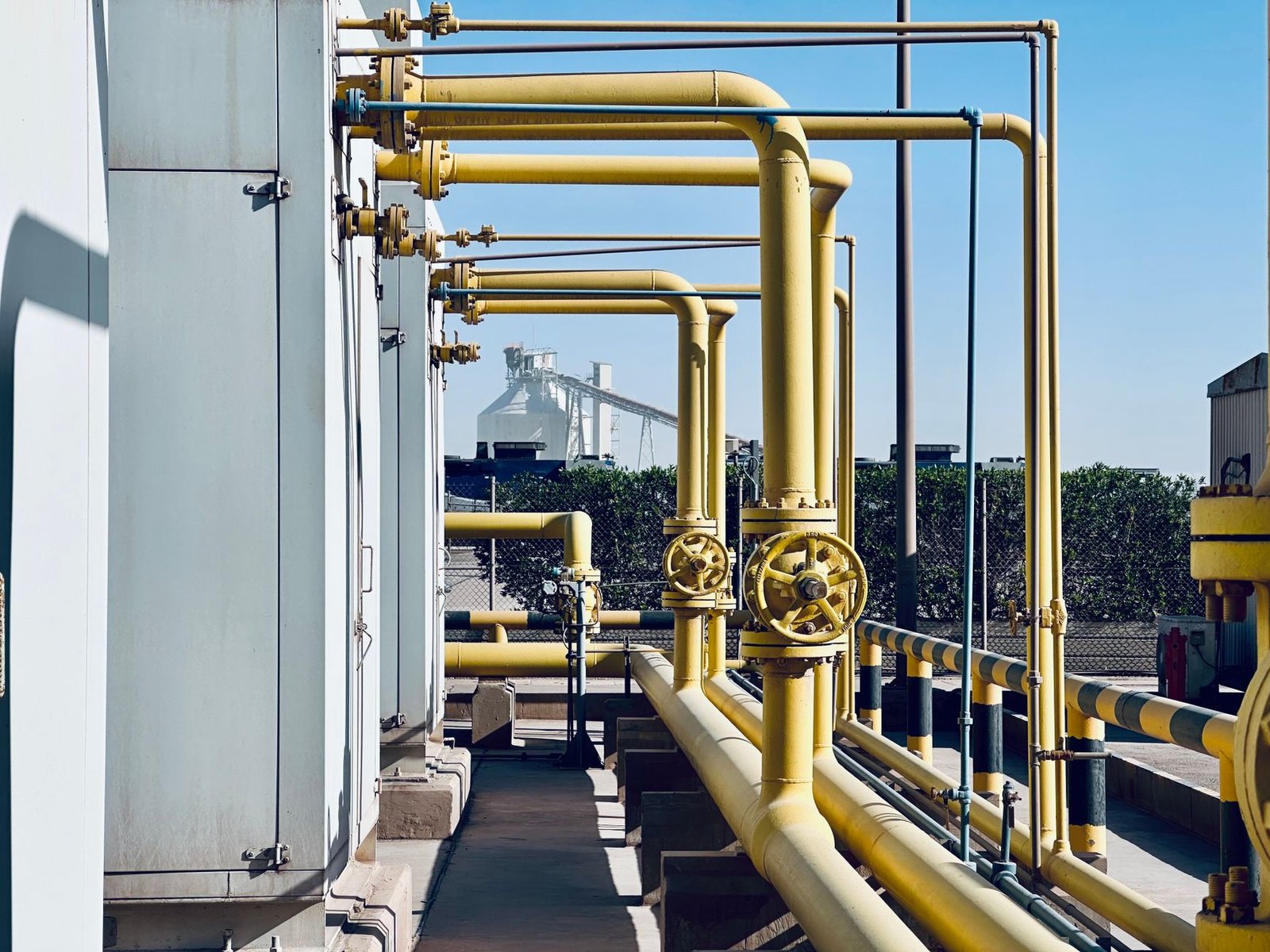
The Tchad-Cameroun pipeline has emerged as a structural revenue stream for Cameroon’s public finances. Between 2020 and 2025, the Central African nation’s Treasury collected 222.2 billion FCFA in transit fees from Chadian crude oil transported to the Kribi maritime terminal. The figure, disclosed in the Ministry of Finance’s Medium-Term Economic and Budgetary Programming Document (2027-2029), translates to an average annual receipt of 37 billion FCFA for facilitating the transit of oil across its territory.
For landlocked Tchad, which relies entirely on this infrastructure to export its crude, the arrangement is non-negotiable. The transit fee, calculated per barrel transported, is periodically adjusted under terms agreed upon by both nations. The revenue generated for Cameroon’s public coffers hinges on three factors: the per-barrel tariff, the volume of oil transported, and the USD-to-FCFA exchange rate.
Transit revenue triples in a decade
Comparing the pipeline’s first decade of operation with recent years reveals a striking shift. Official records from the Pipeline Steering and Monitoring Committee (PSMC) show that Cameroon earned 85.5 billion FCFA in transit fees during the first eight years of operation, which began on October 3, 2003. This averaged 10.7 billion FCFA annually. In contrast, the 2020-2025 period generated over three times that amount in just six years. The recent earnings of 222.2 billion FCFA surpass the initial eight-year total by 136.7 billion FCFA, even though the latter spans a shorter timeframe.
This surge cannot be attributed to a single factor. The transit tariff, physical volumes transported, and exchange rate fluctuations all play interdependent roles. Without a publicly available breakdown of the 222.2 billion FCFA, isolating the contribution of each variable remains speculative.
Tariff revisions fuel revenue growth
One key driver of the increase is the multiple revisions to the transit tariff. When the pipeline was commissioned in 2003, the per-barrel fee stood at 0.41 USD. It was first adjusted in 2013, then again in 2018, reaching 1.321 USD per barrel. Over fifteen years, the fee has more than tripled, directly inflating Cameroon’s revenue regardless of fluctuating export volumes.
A further revision was scheduled for October 1, 2023, under the existing agreement. However, no updated tariff has been publicly disclosed to date. This lack of clarity introduces uncertainty about the future trajectory of transit fees, even as tariff negotiations remain a recurring diplomatic priority between Yaoundé and N’Djamena.
Comparative analysis requires caution
Historical comparisons demand precision. Between 2004 and 2013, COTCO—the operator of Cameroon’s pipeline segment—reported remittances of approximately 200 billion FCFA to the Treasury. However, this figure included income taxes and other levies paid by the company, not solely transit fees. Therefore, it cannot be directly compared to the 222.2 billion FCFA recorded from 2020 to 2025, which reflects exclusively transit duties. The exact share of transit fees within COTCO’s 200 billion FCFA remains undisclosed, making the PSMC’s 85.5 billion FCFA from the first eight years the most consistent benchmark for comparison.
As of May 2026, Cameroon had already collected 15.1 billion FCFA in transit fees for the year, according to PSMC data. While this figure does not predict the full-year outcome, it underscores the pipeline’s significance in the country’s oil export revenue. The pending announcement of the new transit tariff—expected since October 2023—will be a pivotal indicator for forecasting future earnings.
Comments are closed, but trackbacks and pingbacks are open.