Centrafrican whistleblower denied asylum in France despite exposing Wagner’s actions
Centrafrican journalist Ephrem Yalike-Ngonzo faces deportation after his asylum plea was rejected, despite exposing Wagner’s operations in his home country. He had secured a special entry permit through Emmanuel Macron’s intervention.
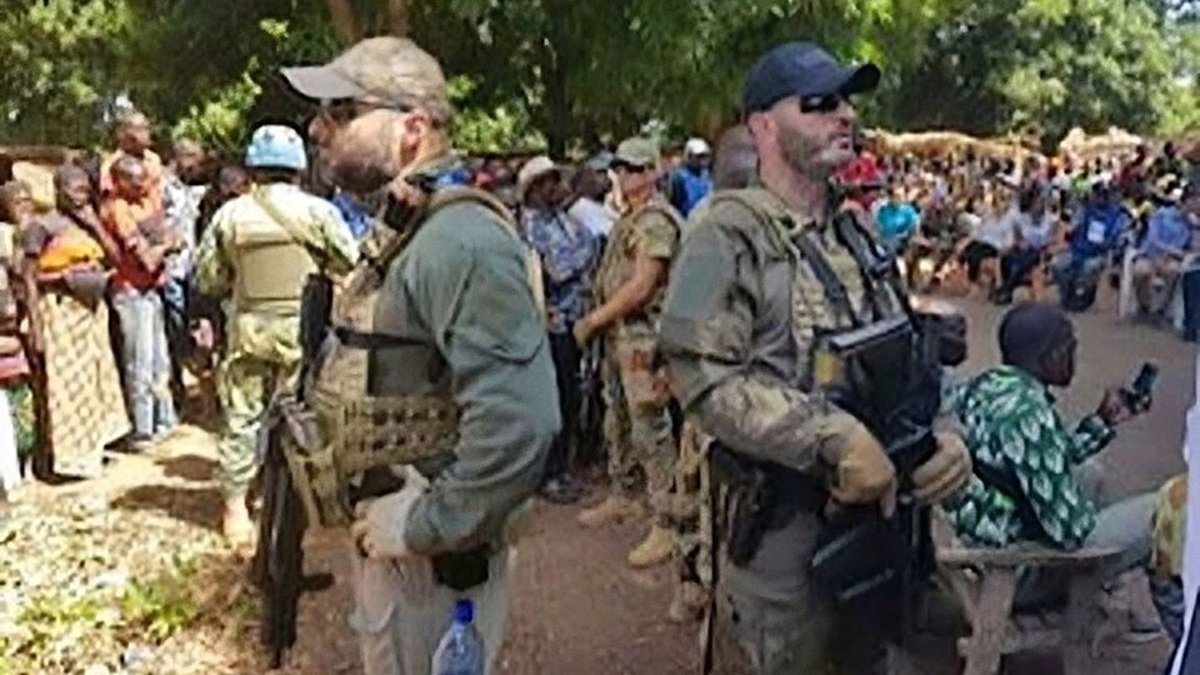
Ephrem Yalike-Ngonzo’s asylum request was denied on July 10, sending a chilling message to those fighting Russian disinformation campaigns in Africa. The whistleblower, who fled Centrafrica in 2024 after receiving death threats from Wagner, had been granted a temporary entry permit to France by the French president himself.
His revelations about Wagner’s propaganda network in Centrafrica contributed to European sanctions against Mikhail Prudnikov, a key figure in Moscow’s influence operations on the continent. Yet, despite his critical role in exposing these illicit activities, the French authorities have now turned their back on him.
From paid propagandist to hunted whistleblower
Yalike-Ngonzo’s journey from a local journalist to a whistleblower was marked by coercion. Between 2019 and 2024, he was paid between 15 and 30 euros per article—barely a quarter of his monthly salary—to publish pro-government and pro-Russian content. His conscience eventually forced him to break free, leading to his dramatic escape and subsequent asylum plea in France.
His testimony became a cornerstone in an international investigation that uncovered the extent of Wagner’s operations in Centrafrica, including disinformation campaigns and covert military support. The revelations also shed light on the financial networks fueling these activities, prompting sanctions from the European Union.
Awaiting justice in the shadows
On July 9, Yalike-Ngonzo’s legal team filed an appeal with the National Asylum Court. The process could take up to a year, leaving him and his family in limbo. While they remain hidden in France, his relatives back in Centrafrica face relentless pressure from Wagner-linked forces, who continue to demand his whereabouts.
The decision to reject his asylum plea has sparked outrage among human rights advocates, who view it as a dangerous precedent for journalists and whistleblowers seeking refuge from authoritarian regimes and their proxies. The case underscores the precarious balance between national security concerns and the moral obligation to protect those who risk everything to expose the truth.