Centrafrican whistleblower denied asylum in France after exposing Wagner group
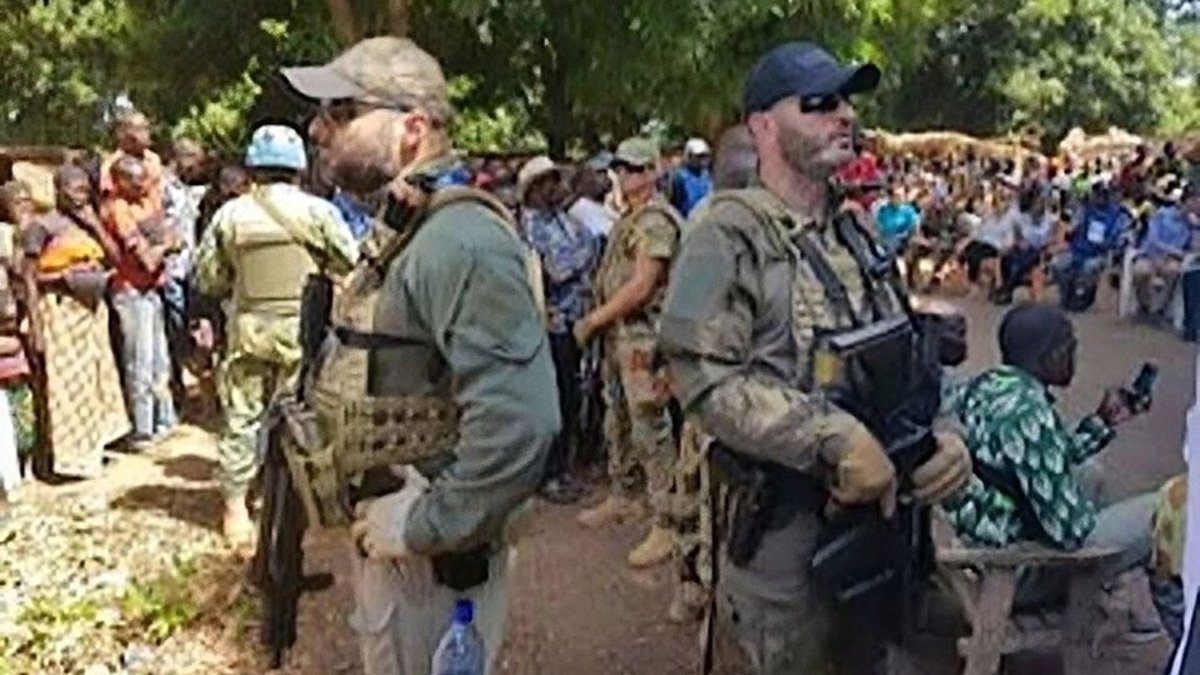
Centrafrican journalist Ephrem Yalike-Ngonzo faces deportation after exposing Wagner Group‘s operations in his country. Granted temporary entry by French authorities in 2024, his asylum plea was unexpectedly rejected this month.
In a move that has sent shockwaves through the whistleblower community, France has denied asylum to Ephrem Yalike-Ngonzo, the Centrafrican journalist whose revelations about Russian disinformation networks in Africa led to European sanctions. The unexpected rejection comes despite President Macron personally facilitating his entry into France in 2024 through a special travel document.
His lawyer condemned the decision as a “damning signal” to those battling Russian propaganda worldwide. “This sends a dangerous message to informants exposing Moscow’s covert operations,” the legal representative stated.
From paid propagandist to persecuted truth-teller
Yalike-Ngonzo’s journey from pro-government journalist to whistleblower began in late 2019. While working for multiple publications, he received payments of 15-30 euros per article—equivalent to a quarter of his monthly salary—from sources linked to the Centrafrican army and their Russian allies.
His exposure of the Wagner Group‘s systematic disinformation campaigns in 2024 became a cornerstone of international investigations. The revelations directly contributed to sanctions against Mikhail Prudnikov, Moscow’s propaganda architect in Central Africa.
Threats against Yalike-Ngonzo escalated to death warnings from Wagner operatives, forcing him into immediate exile. His family in Centrafrica faces constant harassment, with authorities repeatedly pressuring relatives to disclose his whereabouts.
Legal battle ahead
On July 9th, his legal team filed an urgent appeal with the National Asylum Court. While awaiting a decision—expected within a year—Yalike-Ngonzo remains in hiding across France with his loved ones, caught between French bureaucracy and Wagner’s long reach.
The case raises critical questions about France’s commitment to protecting those who expose foreign interference and human rights abuses in conflict zones.