Tchad grants provisional freedom to detained political leaders Me Bidi Valentin and Bombay Kelo
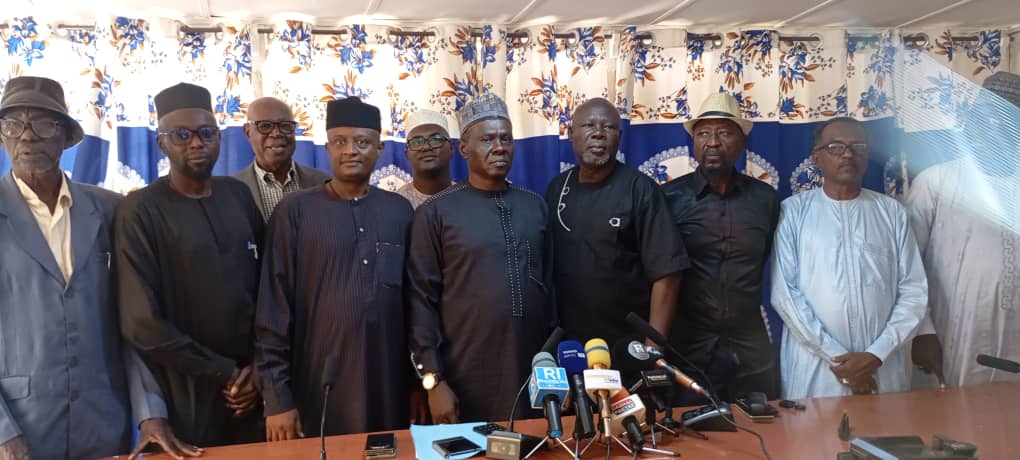
Two prominent figures from the former Groupe de concertation des acteurs politiques (GCAP), Me Bidi Valentin and Bombay Kelo, have been temporarily released from prison after serving part of their eight-year sentence. The decision follows urgent health concerns raised by their legal team and confirmed by judicial authorities in N’Djamena.
Health concerns drive judicial decision
Me Adoum Moussa, a member of the collective representing the ex-GCAP members, confirmed that the provisional release was granted due to the serious health conditions affecting both individuals. “Me Bidi Valentin and Bombay Kelo were freed on medical grounds, as they are elderly and suffer from multiple chronic illnesses,” he stated. The prosecution office in N’Djamena acknowledged the humanitarian aspect of the case, leading to their temporary freedom.
While this development offers immediate relief, the lawyer clarified that the release is not a final acquittal. The charges against them remain active, and their legal status could change pending further judicial review.
Broader health-related releases under review
The legal team is actively pursuing similar measures for other defendants in the case who are also battling health issues. “Efforts are underway to secure provisional releases for additional detainees with critical medical conditions,” explained Me Adoum Moussa. This approach underscores the collective’s commitment to ensuring that no individual’s condition deteriorates further while in custody.
Appeal filed against the original ruling
Despite the interim relief, the legal battle is far from over. The defense has formally appealed the initial verdict, which sentenced the ex-GCAP leaders to eight years in prison on charges including rebellion, criminal association, and illegal possession of firearms. The appeal has been submitted to the appellate court in N’Djamena, where the next phase of the judicial process will unfold.
The case stems from an incident that occurred on May 8, when the group was convicted in absentia. The charges have sparked debates about the intersection of justice and political pressure in the country’s legal system, with critics arguing that such rulings may be leveraged for political ends.