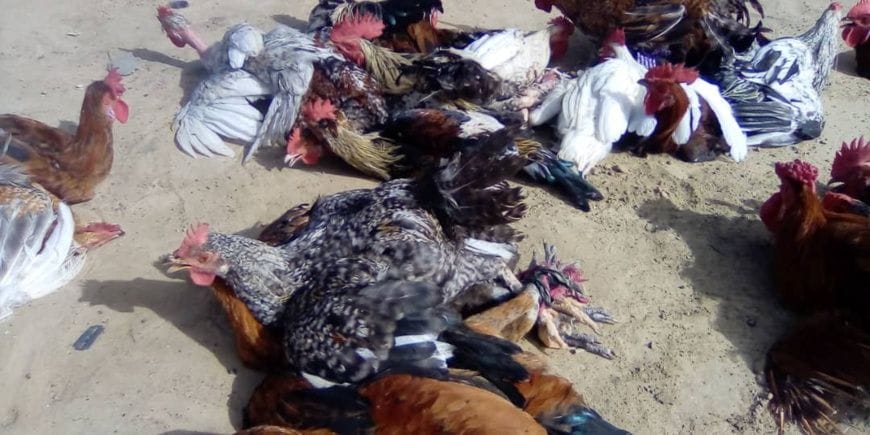
The surge in poultry prices in Ati, Chad, is placing a severe strain on households, traders, and poultry farmers alike, threatening both food security and the local economy. Urgent measures are being sought to stabilize the market and alleviate the growing financial burden on residents.
Poultry prices skyrocket, squeezing household budgets
The escalating cost of poultry in Ati has forced families to rethink their dietary habits. With the local currency under pressure and essential goods becoming increasingly expensive, many households are finding it difficult to afford even basic protein sources like chicken or Guinea fowl. Amina Mahamat, a mother of five, shares her struggle: “Before, we could afford chicken at least once a week for the children. Now, it’s become a rare treat, and we’ve had to cut back on other essentials to make ends meet.”
Poultry has long been a staple in Chadian diets, offering an affordable source of protein. However, the recent price hikes are pushing these vital nutrients out of reach for many, forcing families to opt for cheaper, less nutritious alternatives.
Traders grapple with dwindling sales and rising costs
For local traders, the situation is equally challenging. Despite higher price tags, customers are purchasing less, leading to a sharp decline in sales. “We used to sell more, but now people come, look, and leave empty-handed,” says Issa Hassan, a poultry vendor with over a decade of experience. The slowdown is particularly noticeable during religious festivals and family gatherings, when demand typically peaks.
Restaurant owners and grilled meat vendors are also feeling the pinch. To cope, some have raised meal prices or reduced portion sizes, risking a further drop in customer loyalty.
Farmers bear the brunt of rising production costs
While consumers complain about high prices, poultry farmers are struggling with escalating production costs. Feed prices, veterinary supplies, and transportation expenses have all surged, placing immense pressure on small-scale farmers. Abakar Abdoulaye, a poultry farmer near Ati, explains: “Our costs keep climbing every month. We have no choice but to increase our prices, but profits remain slim.”
Additional challenges, such as limited grazing land, water scarcity during dry seasons, and disease outbreaks, further exacerbate the situation. These factors contribute to reduced supply and higher prices, creating a vicious cycle that impacts the entire local economy.
Local economy feels the ripple effects
The impact of soaring poultry prices extends far beyond households and traders. Livestock feed suppliers, transporters, and small businesses that rely on poultry-related trade are all experiencing a slowdown. Some estimates suggest that poultry sales in local markets have dropped by 20 to 30% compared to the same period last year, though official data has yet to confirm these figures.
Economists warn that a decline in consumption can have a domino effect, reducing household incomes and shrinking revenue for small businesses. The situation underscores the interconnectedness of local markets and the need for coordinated action to restore balance.
Calls for urgent intervention
In response to the crisis, local stakeholders are urging authorities and development partners to take decisive steps to support the poultry sector. Key proposals include:
- Improving access to affordable poultry feed;
- Strengthening veterinary services and vaccination campaigns;
- Providing financing options for small-scale farmers;
- Offering technical training to boost local production.
A growing concern for Chad’s future
The poultry price surge in Ati highlights the broader challenges facing Chadian households amid rising living costs. Without sustainable solutions, the situation risks deepening poverty and stalling local economic growth. For many residents, access to affordable, nutritious food is no longer just a preference—it’s a necessity that demands immediate attention from both local and national authorities.
Comments are closed, but trackbacks and pingbacks are open.