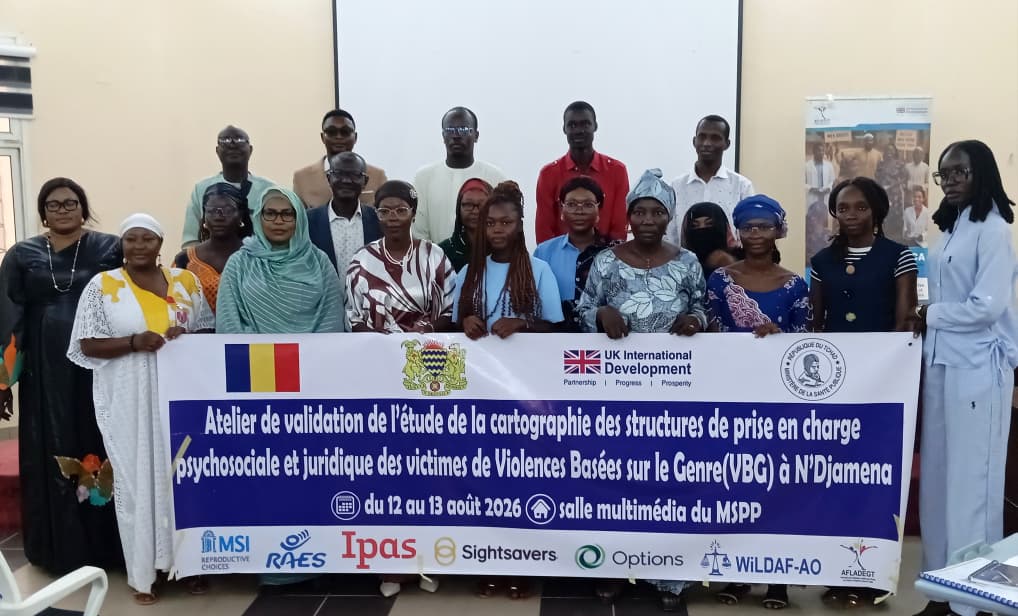
Mapping Gender-Based Violence Services in N’Djamena: A Step Toward Better Victim Support
From August 12 to 13, 2026, N’Djamena will host a pivotal workshop aimed at validating a groundbreaking study on legal and psychosocial assistance services for victims of gender-based violence (GBV). Organized by the Association of Feminist Leaders for Gender Rights and Equity in Chad (AFLADEGT), this initiative falls under the WISH 2-WACA project, designed to enhance victim orientation and strengthen coordination among service providers.
The two-day event will bring together representatives from relevant government ministries, civil society organizations, technical and financial partners, and specialized agencies. Their mission: to review, refine, and validate the findings of this critical mapping exercise.
Why This Cartography Matters for GBV Victims
During the opening session, Wouténé Mélissa, president of AFLADEGT, emphasized that this mapping is far more than just a document—it’s a vital tool for guiding victims to the right services, coordinating care, and advocating for stronger policy decisions. « When a woman or girl survives gender-based violence, she needs immediate clarity on where to seek help, how to access support, and what resources are available, » Mélissa stated.
The study highlights significant gaps in service coverage, victim awareness, referral mechanisms, and resource availability. These findings, Mélissa noted, should drive actionable recommendations to bolster existing services, streamline referrals, and secure more funding.
Systemic Challenges in GBV Response
Dr. Kadidja Amadaye Abgrene, director of reproductive health, underscored that gender-based violence is a severe violation of human dignity and fundamental rights. While acknowledging government progress—such as legal reforms and the establishment of integrated multisectoral service centers—she pointed out persistent obstacles. Fewer than 11% of identified victims receive effective legal assistance, with informal resolutions, lack of awareness, and weak referral systems among the key barriers.
The mapping also revealed uneven service distribution across N’Djamena’s districts, a shortage of confidential safe spaces for victims, and critical needs in human and material resources. For Dr. Abgrene, these insights must now guide operational improvements, smoother inter-sector referrals, and evidence-based public policy.
Next Steps: Turning Data into Action
The validation workshop marks the beginning of a broader push to transform these findings into tangible change. By refining the cartography, stakeholders aim to create a reliable, accessible roadmap for victims, ensuring no one is left without the support they need. The focus now shifts to implementing recommendations, securing additional resources, and fostering stronger collaboration among all actors in Chad’s GBV response ecosystem.
Comments are closed, but trackbacks and pingbacks are open.