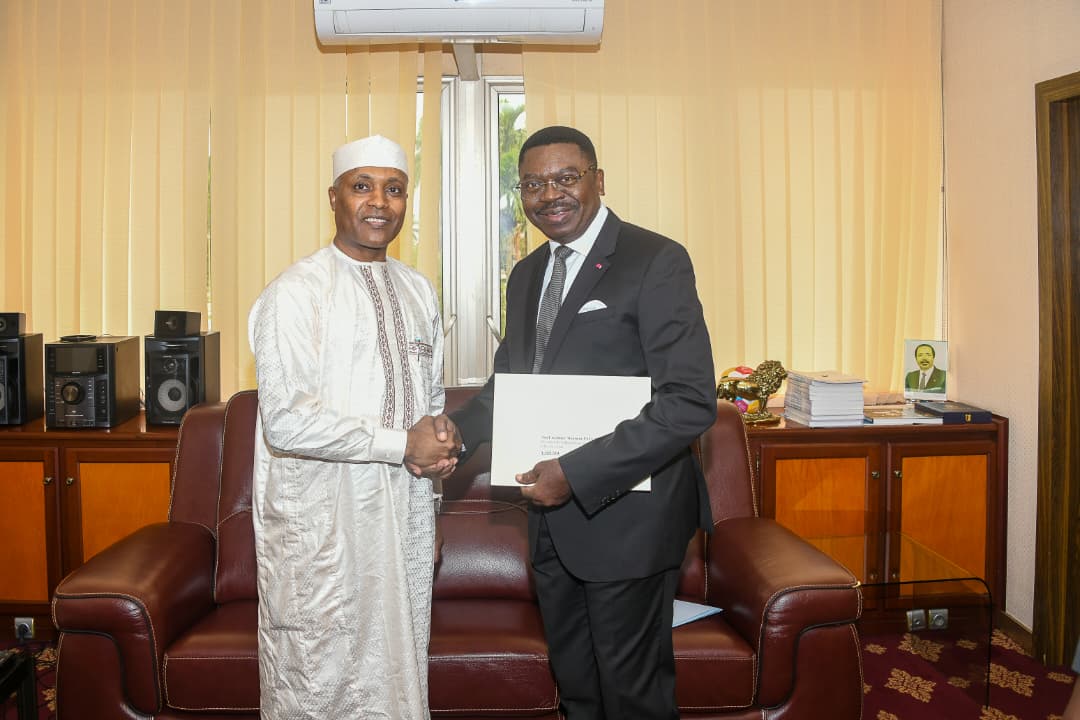
On Friday, July 17, 2026, President Mahamat Idriss Déby Itno, the leader of Chad, dispatched a prominent delegation to Yaoundé. This high-level mission carried a personal communication intended for his Cameroonian counterpart, President Paul Biya, underscoring the enduring partnership between the two nations.
The delegation was spearheaded by Dr. Abdoulaye Sabre Fadoul, the Minister of State for Foreign Affairs, African Integration, and Chadians Abroad. Accompanying him were several key officials: Mahamat Saleh Abdeldjelil, Special Advisor to the Head of State; Fatima Haram Acyl, Minister of Petroleum, Mines, and Geology; and Hassan Adoum Younousmi, Director General of the Telecommunications Sector Regulatory Agency (ARSAT).
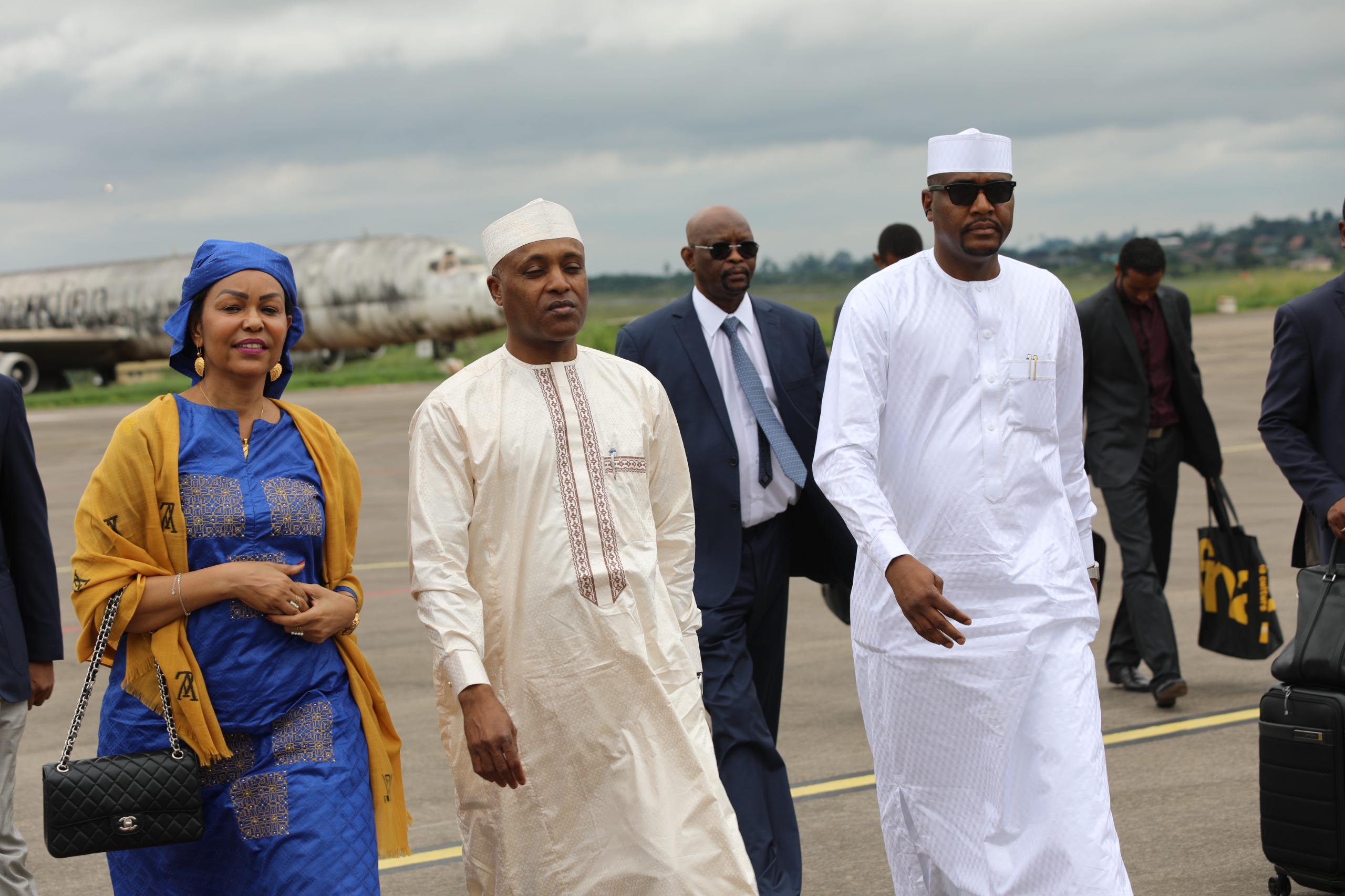
As President Biya was abroad at the time, the Chadian representatives were received at the prestigious Etoudi Palace by Ferdinand Ngoh Ngoh, the Minister of State and Secretary General of the Presidency of Cameroon.
While the precise details of the message were not publicly disclosed, the head of the Chadian delegation affirmed that its purpose was to further solidify the already excellent relationship between the two heads of state and their respective populations. This diplomatic overture, he noted, reflects the strong desire of both nations’ highest authorities to deepen their cooperation and maintain continuous dialogue on shared concerns, a vital aspect of Africa politics English observers often highlight.
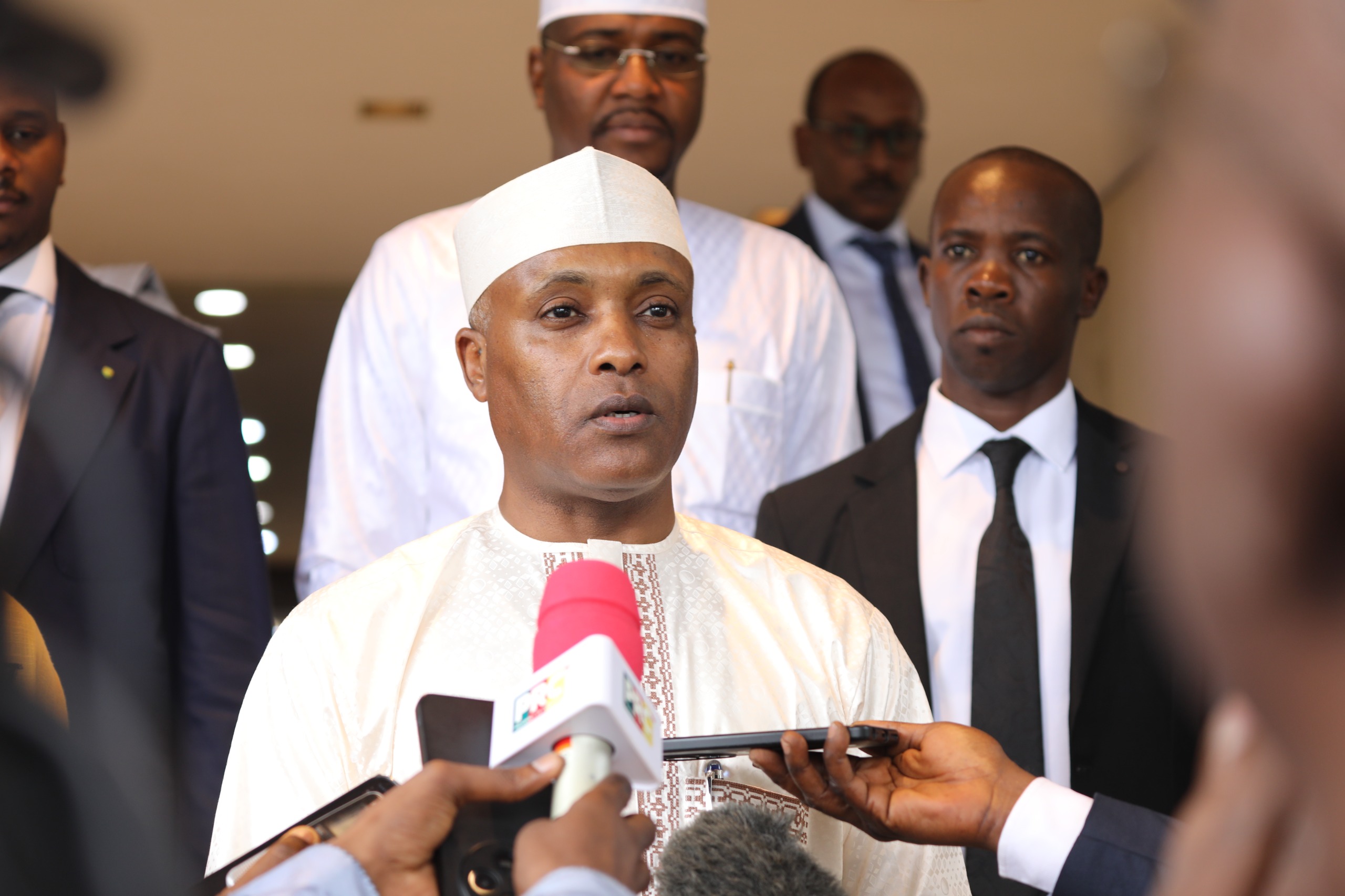
Beyond the formal delivery of the presidential message, discussions during the visit also encompassed future prospects for collaboration across several sectors deemed strategic for both the Chadian and Cameroonian economies. Key areas of focus included enhancing partnerships in economic development, energy resources, and infrastructure projects, all within a broader context of fostering deeper sub-regional integration. This engagement is significant for African news today, highlighting regional cooperation.
This diplomatic endeavor is a continuation of the long-standing, privileged relationship that N’Djamena and Yaoundé have cultivated over many decades. It powerfully demonstrates both states’ commitment to maintaining a consistent platform for consultation and to reinforcing the profound historical, political, and economic bonds that unite these neighboring nations.
Comments are closed, but trackbacks and pingbacks are open.