Chad’s Fiscal Future Hangs in the Balance as IMF Mission Lands in N’Djamena
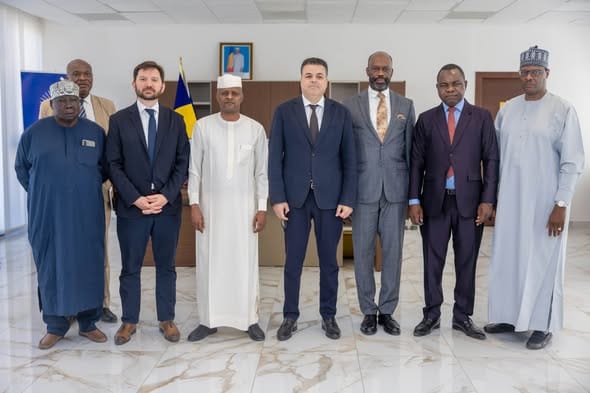
The wheels of economic transformation are in motion as a high-stakes International Monetary Fund (IMF) delegation, led by mission chief Julien Reynaud, touched down in N’Djamena this week. The 10-day visit, running from November 16 to 26, 2026, marks a decisive juncture for Chad as finance leaders engage in intensive negotiations to realign the nation’s financial trajectory.
At the heart of these discussions is Chad’s 2026 budget execution, public debt management, and the structural reform of key sectors—including oil, banking, and governance frameworks. These talks, conducted under the IMF’s Article IV consultation protocol, are not merely procedural. They represent a potential turning point that could redefine Chad’s economic stability and future growth prospects.
Tahir Hamid Nguilin Leads National Response to IMF Scrutiny
Welcoming the IMF delegation to his office, Minister Tahir Hamid Nguilin has positioned Chad’s leadership at the forefront of these high-level negotiations. Over the coming days, the minister will oversee strategic dialogues with government officials, private sector representatives, and development partners. The scope of these conversations extends beyond numbers and spreadsheets; they delve into the very foundations of Chad’s economic resilience.
Key focal points include refining the 2027 budget framework, addressing fiscal vulnerabilities, and implementing governance reforms designed to enhance transparency and long-term sustainability. The outcomes of these talks could ripple across households, businesses, and public institutions nationwide.
Why These Consultations Could Shape Chad’s Economic Landscape
- Fiscal discipline as a priority: The IMF mission is expected to push for stricter budgetary controls to curb deficits and restore fiscal balance, a move that could reshape public expenditure priorities.
- Debt sustainability at the forefront: With public debt levels under scrutiny, Chad faces pressure to renegotiate terms and secure sustainable financing pathways.
- Sectoral reforms in focus: The oil and banking sectors—critical to Chad’s economy—are on the agenda, with calls for improved regulation, efficiency, and investor confidence.
- Governance overhaul on the table: Anti-corruption measures and institutional strengthening are central themes, aiming to rebuild trust in Chad’s economic management.
What’s at Stake for Chadians?
The decisions forged in N’Djamena over the next two weeks could determine whether Chad accelerates toward economic recovery or continues to grapple with fiscal strains. For citizens, the implications are tangible: from potential adjustments in public spending that affect social services to broader impacts on job creation and price stability.
As Chad stands at this economic crossroads, the IMF’s recommendations will not only shape government policies but also influence the daily lives of millions. The stakes are high, and the momentum is palpable.
Comments are closed, but trackbacks and pingbacks are open.