Cholera outbreak in Chad claims 13 lives, health authorities report
(N’Djamena) A cholera outbreak sweeping through two provinces in Chad has claimed 13 lives and infected 239 people since early July, health officials confirmed on Thursday. The crisis, which has escalated rapidly, prompted authorities to declare the epidemic on July 24, following the first reported deaths on June 13.
Current situation and response efforts
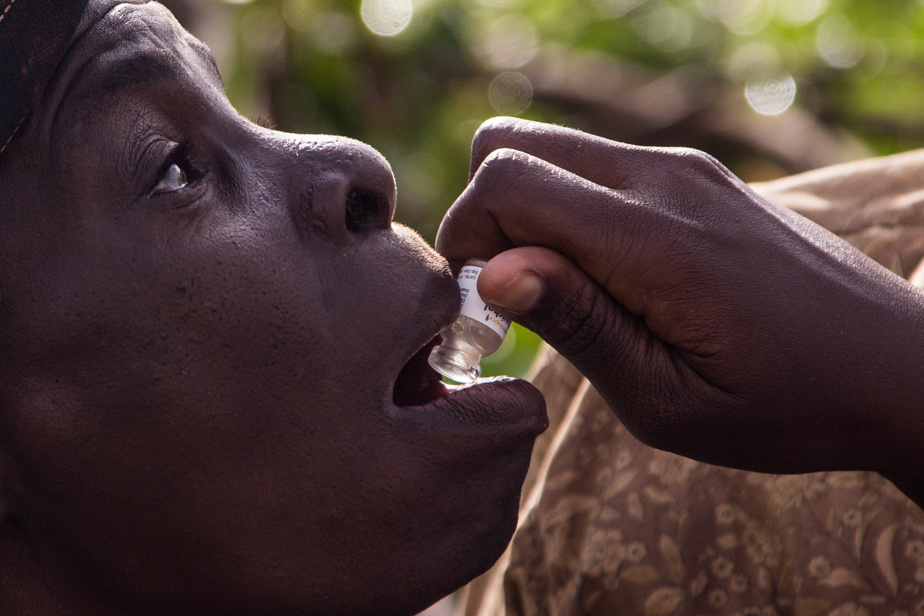
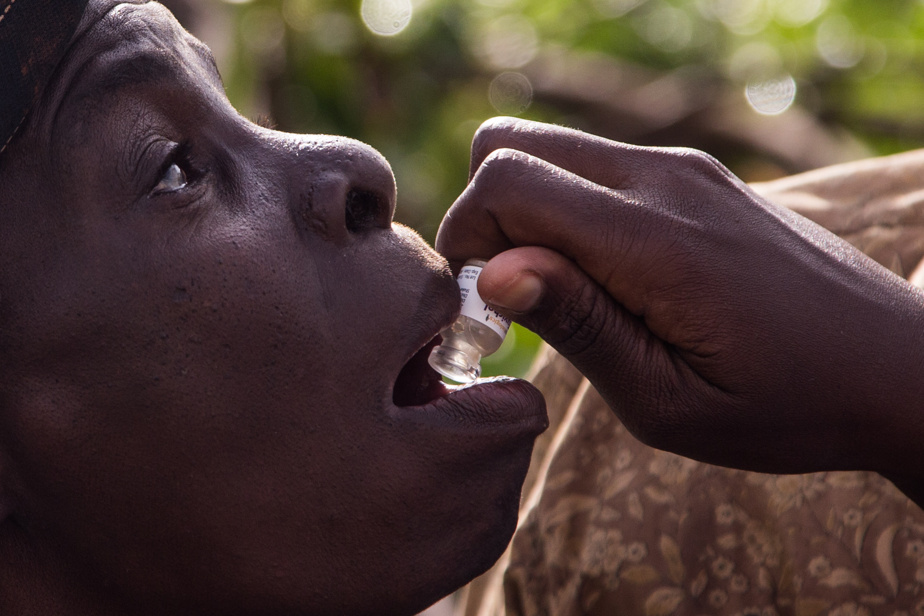
As of August 3, the outbreak has spread across Hadjer Lamis province in the north and the capital city, N’Djamena, where the majority of cases have been recorded. Health authorities have launched an emergency vaccination campaign, with over 50,799 doses already administered to residents at risk.
The ministry of health has highlighted the urgent need to address the root causes of the outbreak, including limited access to clean drinking water and inadequate sanitation infrastructure. These challenges have made it difficult to curb the spread of the disease, which thrives in unsanitary conditions.
Understanding cholera: symptoms and prevention
Cholera is an acute diarrheal infection caused by consuming food or water contaminated with the Vibrio cholerae bacterium. While the disease is treatable with oral rehydration or antibiotics in severe cases, it can prove fatal within hours if left untreated.
In developed nations, modern wastewater treatment and sanitation systems have nearly eradicated cholera. However, in Chad, where access to these basic services remains a challenge, the disease continues to pose a significant public health threat.
Regional context: cholera outbreaks across Africa
Chad is not alone in facing this health crisis. Neighboring countries, including the Central African Republic, Nigeria, and the Democratic Republic of the Congo, have also reported cholera outbreaks in recent months. The recurring nature of these epidemics underscores the broader challenges faced by African nations in ensuring access to clean water and sanitation for their populations.
Comments are closed, but trackbacks and pingbacks are open.