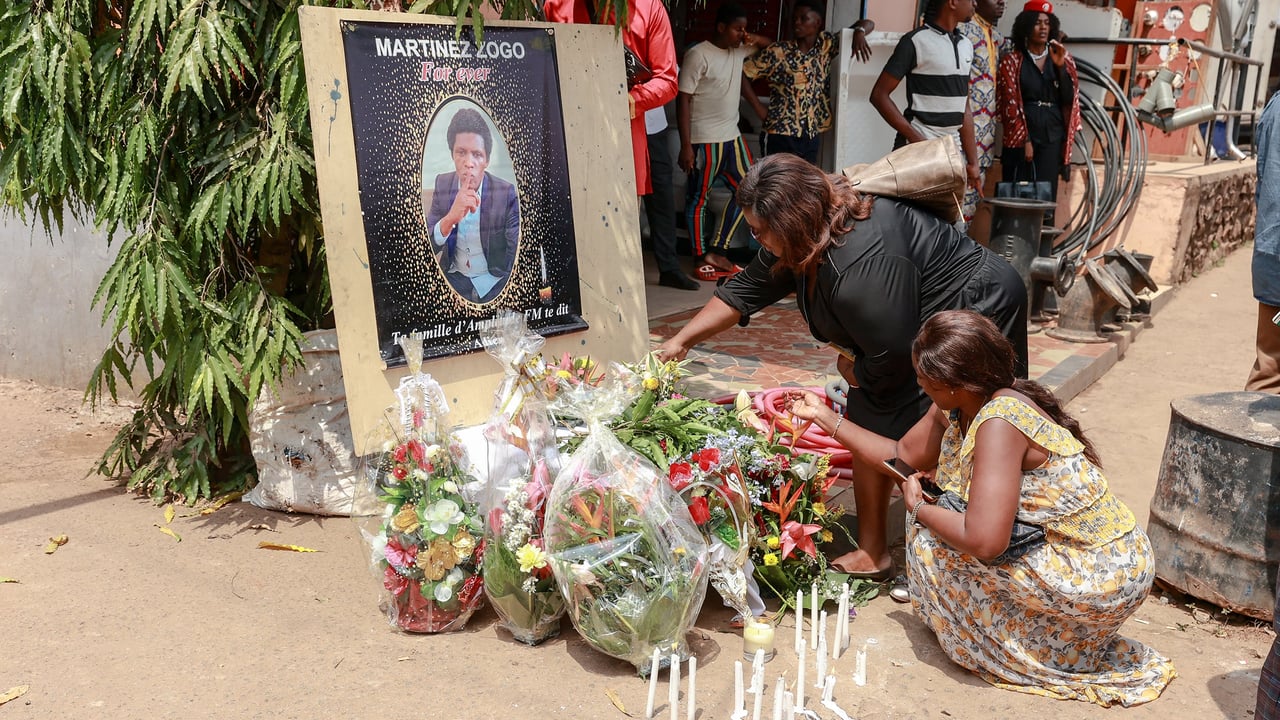

Key revelations from Colonel Otoulou in the Martinez Zogo case
The ongoing case surrounding the tragic disappearance and murder of investigative journalist Martinez Zogo has taken a significant turn with the testimony of Colonel Otoulou, a high-ranking security official. His statements have shed new light on the circumstances surrounding the journalist’s death, providing crucial details that could reshape the investigation.
Background of the case
Martinez Zogo, a prominent voice in Cameroonian journalism, was abducted in early 2023 after exposing corruption within high-profile circles. His lifeless body was later discovered, sparking national outrage and demands for justice. The investigation has since become a focal point of public scrutiny, with authorities under pressure to uncover the truth.
Colonel Otoulou’s testimony: what changed?
During his hearing, Colonel Otoulou, who was directly involved in the initial stages of the probe, outlined several critical points:
- Procedural irregularities: The colonel admitted to lapses in the handling of evidence, which may have compromised the investigation’s integrity from the outset.
- Unresolved leads: He acknowledged that key suspects, previously identified but never formally charged, remain at large and could hold vital information.
- Institutional failures: Otoulou highlighted systemic weaknesses within security agencies, suggesting that internal resistance hindered progress in the case.
- New evidence: He revealed that recently uncovered documents point to broader networks of involvement, implicating individuals beyond the initial suspects.
Public and political reactions
The colonel’s testimony has reignited calls for accountability, with civil society groups and media organizations demanding a transparent and impartial inquiry. Political figures have also weighed in, urging authorities to act decisively to restore public trust.
What’s next for the investigation?
With these fresh disclosures, the judicial process is expected to accelerate. Investigators are reportedly re-examining old leads while pursuing new avenues suggested by Otoulou’s account. The outcome of this renewed effort could determine whether justice is finally served in this landmark case.
Comments are closed, but trackbacks and pingbacks are open.