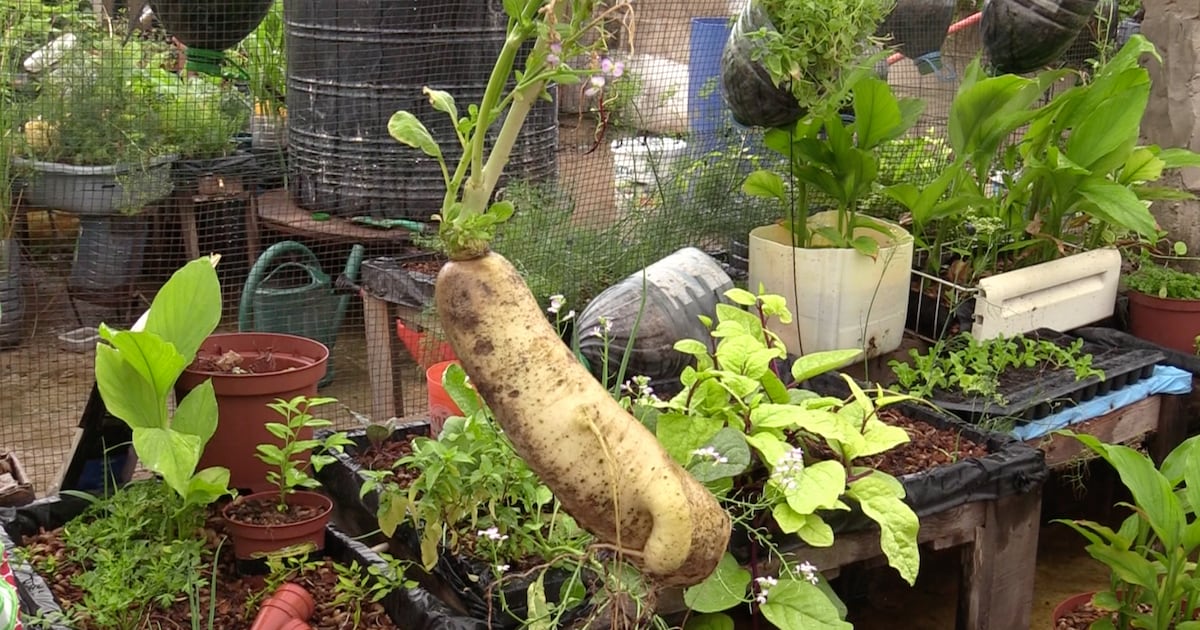
As demand for healthy, locally sourced, and affordable food continues to rise in Bamako, the Réseau solidaire en agroécologie paysanne et citoyenne (Resapac) has been championing a unique model for over a decade. By prioritizing short supply chains and responsible consumption, this initiative connects Malian farmers directly with urban consumers, ensuring fair compensation while delivering nutritious products.
How Resapac transforms the food chain in Bamako
The Resapac network operates on a three-pillar system: producers, processors, and consumers. Through collective and transparent governance, it eliminates intermediaries, enabling farmers to sell their harvests at stable prices while giving buyers full visibility into cultivation methods. This approach not only supports sustainable agriculture but also fosters trust between city dwellers and rural producers.
The consumer as a key player in sustainable food systems
In this model, shoppers are no longer passive buyers but active participants in the food chain. By purchasing from Resapac markets, they gain insight into the origin of their food and the ethical practices behind its production. For instance, Abdoulaye Sacko, a market gardener and member of the network, highlights how his partnership with Resapac has improved his livelihood.
«As a small-scale farmer, I rely solely on organic inputs to grow a variety of crops, avoiding synthetic chemicals entirely. The network has streamlined my connection with consumers, allowing me to meet their demand for clean, fresh produce while securing a fair income.»
Sacko’s experience underscores the financial benefits of organic farming. He notes that his integration into Resapac has not only enhanced his earnings but also encouraged neighboring farmers to adopt eco-friendly techniques.
From a single stall to four thriving markets
The initiative began modestly in Sotuba over ten years ago. Today, Resapac operates four bustling markets across Bamako: Sotuba, Badalabougou, Magnambougou, and Hippodrome. Djènèba Diallo, the network’s market coordinator, explains the expansion while emphasizing the core mission: bridging the gap between producers and consumers through proximity-based distribution.
«When we started, our goal was to provide a reliable market for agroecological farmers. Now, we’re proud to offer Bamako residents access to fresh, pesticide-free produce while ensuring farmers receive their due.»
Diallo also points out the stark contrast between conventional and organic products. She observes that fruits and vegetables sold through Resapac retain their freshness far longer than those from mass-market suppliers, which often spoil within 24 hours due to excessive chemical use.
Why Bamako’s residents are choosing organic
For many consumers, the shift to organic markets is driven by health concerns and a desire to support local agriculture. One recent shopper, a cardiologist, discovered Resapac through a social media post and was immediately drawn to its transparent, farmer-to-consumer model.
«I was captivated by the idea of buying produce with a known origin and sustainable production methods. The quality speaks for itself—these tomatoes stay firm for days, unlike the wilted ones I find elsewhere.»
As Bamako’s appetite for organic food grows, Resapac’s role in reshaping the city’s food landscape becomes ever more critical. By prioritizing fairness, transparency, and sustainability, the network is setting a new standard for food systems in Mali.
Comments are closed, but trackbacks and pingbacks are open.