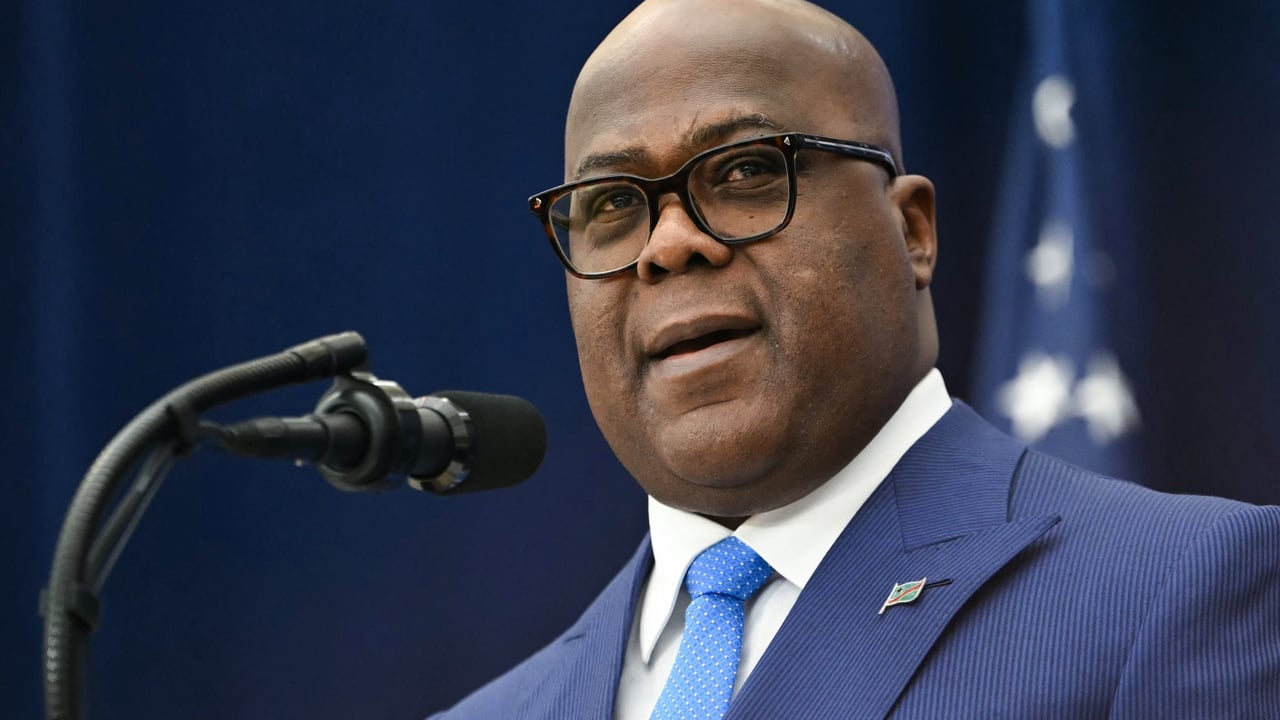
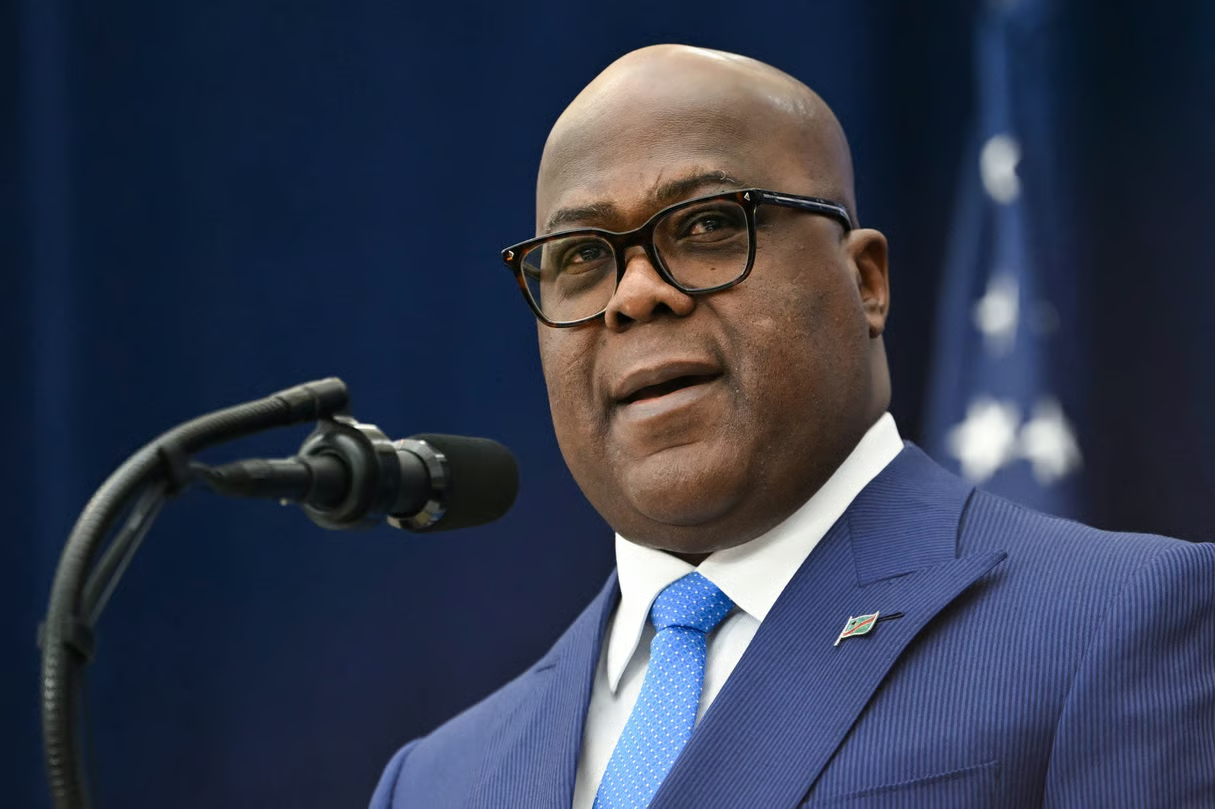
Congo’s constitutional court endorses Félix Tshisekedi’s eligibility for a third term
The Democratic Republic of the Congo’s constitutional court has delivered a landmark ruling, clearing President Félix Tshisekedi to seek re-election for a third consecutive term. The decision, issued after thorough legal review, marks a significant turning point in the country’s political landscape.
Legal pathway paved for Tshisekedi’s bid
The court’s verdict upholds the constitutionality of recent amendments to electoral laws, which opponents argued were designed to favor the incumbent. Legal experts note that the ruling hinges on a reinterpretation of term limits, framing them as non-cumulative under specific conditions. This legal maneuver has sparked intense debate among constitutional scholars and political analysts across the region.
Reactions and implications
Opposition figures have condemned the decision as a setback for democratic norms, warning of potential unrest. Meanwhile, Tshisekedi’s supporters view the ruling as a necessary step to maintain stability and continuity in governance. International observers are closely monitoring the situation, with some expressing concerns over the ruling’s broader implications for regional democratic processes.
The constitutional court’s decision comes amid heightened political tensions, with protests erupting in several urban centers over the past month. Analysts suggest that the timing of the ruling could further polarize an already divided political environment.
Next steps and potential challenges
With the legal path now clear, Tshisekedi’s campaign machinery is expected to accelerate preparations for the upcoming electoral cycle. However, challenges loom large, including logistical hurdles in organizing polls across the vast country and ensuring transparency in the process. Civil society groups have already vowed to challenge the ruling, setting the stage for potential legal battles in the coming weeks.
As the DRC stands at this critical juncture, the outcome of the next election will not only shape the nation’s political future but also influence regional dynamics in central Africa.