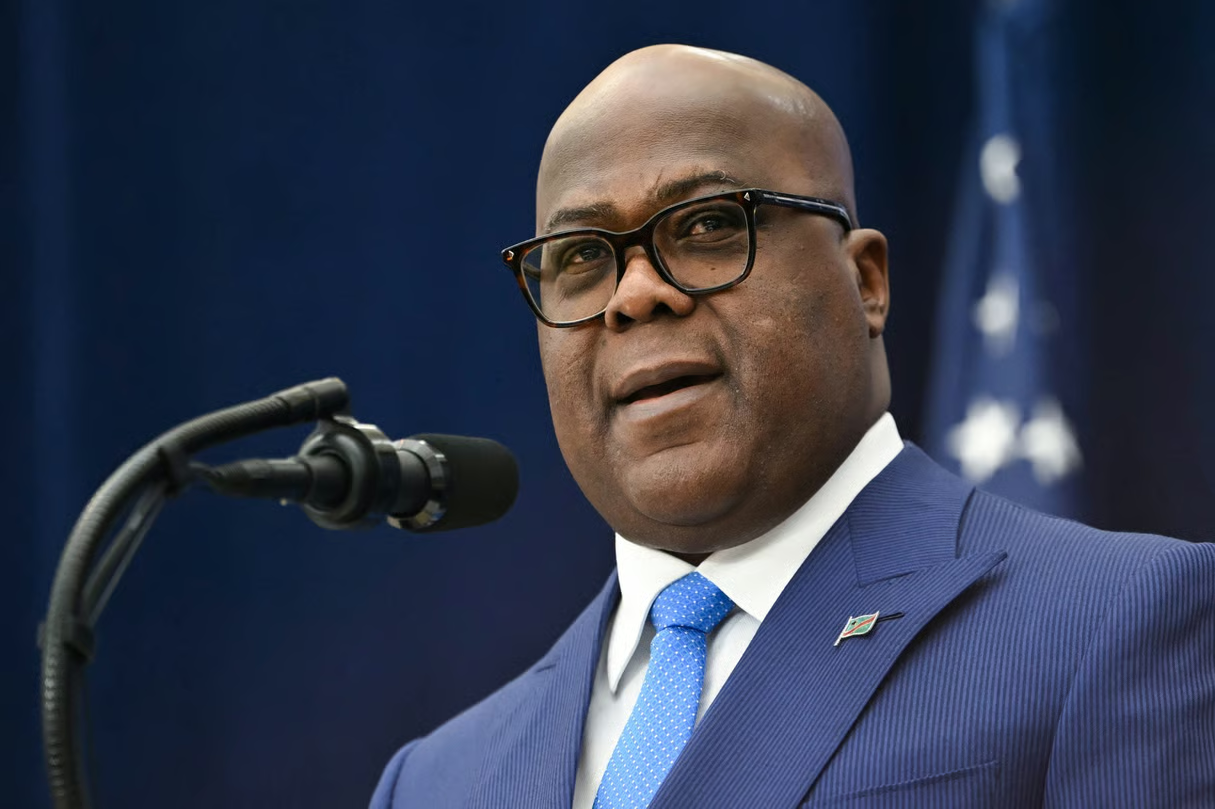
DRC constitutional court clears Félix Tshisekedi’s path to third term
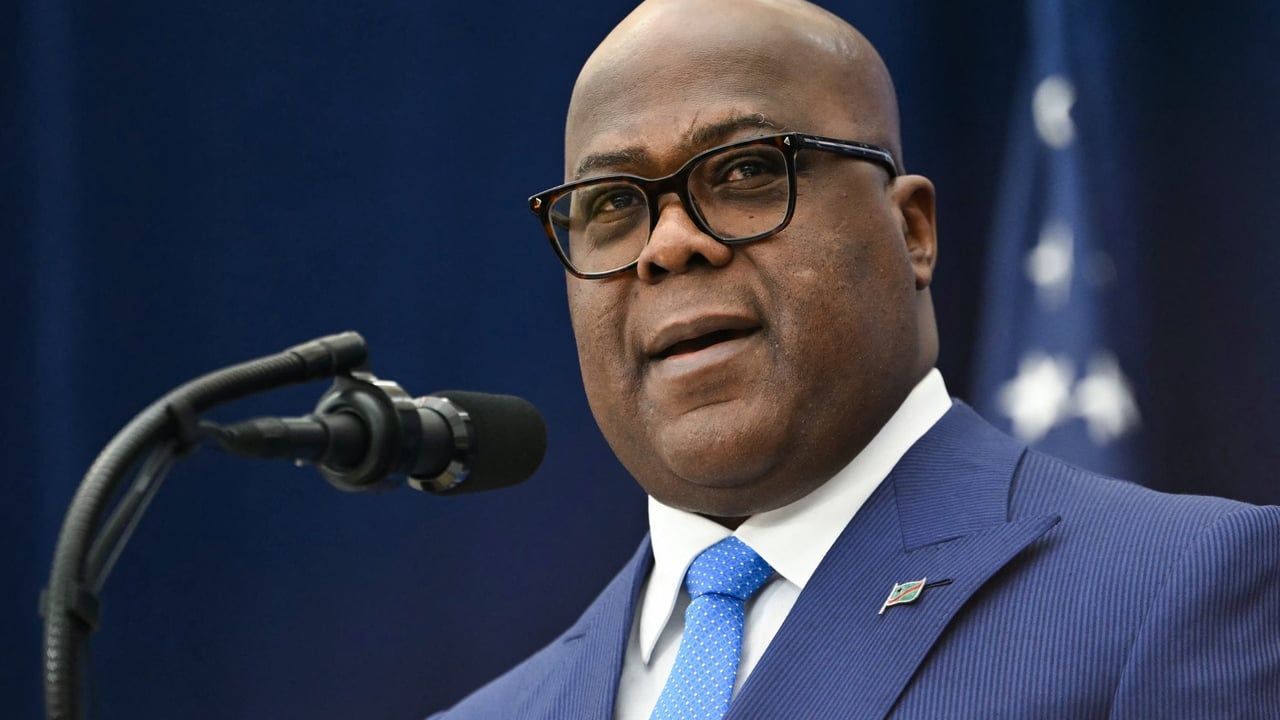
The Constitutional Court of the Democratic Republic of the Congo (DRC) has delivered a landmark ruling, officially endorsing the amended electoral law that paves the way for President Félix Tshisekedi to seek a third consecutive term in office.
The decision, handed down following intensive legal deliberations, removes the last legal obstacle standing between the incumbent leader and his bid for re-election. Constitutional experts highlight that the ruling reinforces the legal framework governing presidential mandates, though it has ignited intense debate across political and civil society circles.
What the constitutional amendment changes
The revised electoral law, now validated by the court, introduces significant modifications to the constitutional provisions related to presidential term limits. Previously, the DRC’s constitution capped presidential mandates at two consecutive five-year terms. The new law redefines the interpretation of these provisions, effectively resetting the term count for current and future leaders.
Legal analysts note that the court’s ruling hinges on a narrow interpretation of constitutional clauses, emphasizing that the amendments do not constitute a retroactive application of the law. This nuanced legal stance has become a focal point of contention among constitutional scholars and opposition figures.
Reactions from political stakeholders
- Presidential camp: Supporters of President Tshisekedi argue that the court’s decision upholds democratic principles and ensures stability in governance. They contend that the amendments align with the country’s evolving political landscape and the will of the electorate.
- Opposition voices: Critics, including prominent opposition leaders and civil society groups, condemn the ruling as a blatant circumvention of constitutional safeguards. They warn that the move risks undermining democratic institutions and exacerbating political tensions in the country.
- International observers: The international community has closely monitored the developments, with some diplomatic missions expressing concerns over the potential implications for democratic governance and transparency in the electoral process.
Implications for the 2026 elections
With the legal pathway now clear, attention turns to the upcoming presidential elections scheduled for 2026. President Tshisekedi’s eligibility to run has sparked speculation about his campaign strategy and the broader political dynamics at play. Political analysts predict a highly competitive electoral landscape, with multiple candidates poised to challenge the incumbent’s bid for a third term.
The ruling also raises questions about the role of the judiciary in shaping the country’s political future. Legal experts emphasize the need for judicial independence and impartiality, particularly in cases that carry significant political ramifications.
Public sentiment and social media reactions
The court’s decision has triggered a wave of reactions on social media platforms, with citizens and activists sharing their views on the ruling. While some users express support for President Tshisekedi’s continued leadership, others voice concerns over the potential erosion of democratic norms. The debate reflects the deep divisions within Congolese society regarding the balance between stability and constitutional integrity.
Civil society organizations have called for peaceful dialogue and respect for the rule of law, emphasizing the importance of inclusive political processes that reflect the aspirations of all citizens.
Looking ahead: Challenges and opportunities
As the DRC prepares for the 2026 elections, the country faces a pivotal moment in its democratic journey. The constitutional court’s ruling has set the stage for a high-stakes electoral contest, with far-reaching implications for governance, stability, and the country’s democratic future. Stakeholders across the political spectrum must navigate this complex landscape with caution, ensuring that the electoral process remains transparent, fair, and inclusive.