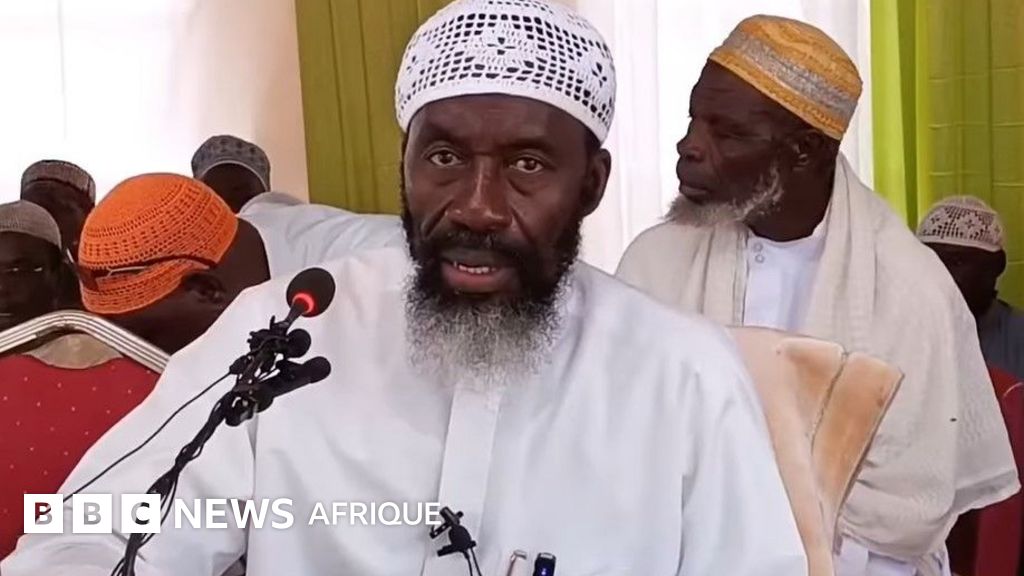
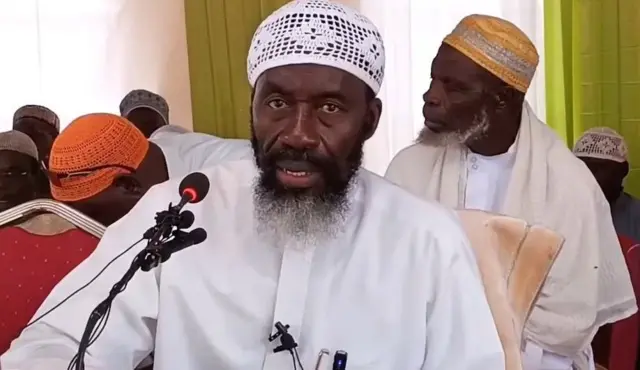
An arrest that has sent shockwaves through Burkina Faso. Mohamad Ishaq Kindo, a prominent Sunni imam and influential preacher, was taken into custody by security forces in Ouagadougou on Tuesday, May 26. His current whereabouts remain undisclosed. The arrest follows just two days after he publicly criticized the newly adopted religious freedoms bill, passed on March 19, according to close associates and a Muslim organization he is affiliated with.
unverified circumstances surrounding the arrest
The Federation of Islamic Associations in Burkina Faso (FAIB) released a statement shortly after the incident. In it, they confirmed that Imam Kindo, who also serves as president of the country’s Sunni Ulema, was detained Tuesday afternoon. The statement emphasized that the exact reasons for his arrest have not yet been disclosed by authorities.
The FAIB also revealed it had already initiated formal inquiries with relevant government bodies to secure precise information and ensure a fair resolution.
violent arrest during a sensitive religious period
A close associate who witnessed the arrest described it as forceful. The operation occurred around 2:00 PM local time, just one day before Eid al-Adha, a major Muslim holiday. The team involved included masked security personnel—police and military—leading to immediate resistance from nearby worshippers, escalating tensions at the scene.
Another source confirmed that several Muslim worshippers were injured during the confrontation.
Two days prior to his arrest, an audio recording of one of Imam Kindo’s sermons circulated widely on social media. In it, he openly criticized the March adoption of the religious freedoms bill, urging authorities to reconsider the implications of their actions.
“Beware of attempting to ban public prayers. Whether you are a leader or a powerful figure, you do not possess the strength or authority of God,” he declared during the address.
public outrage and protests erupt in Ouagadougou
Within hours of the imam’s detention, hundreds of citizens gathered in Ouagadougou to demand his immediate release. The peaceful protest was met with dispersal by tear gas, according to a witness contacted on-site.
The FAIB called on the Muslim community to remain calm and composed, urging serenity and restraint during this uncertain period.
no official statement from burkinabe authorities
The day after the arrest, coinciding with Eid al-Adha, calm appears to have returned to the community. Attention now turns to the legal process involving the religious leader.
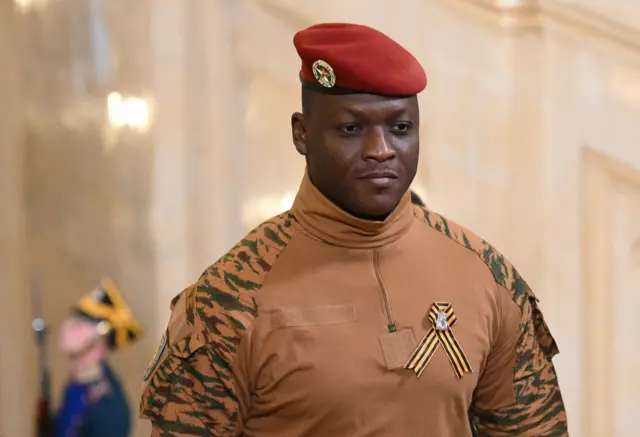
Following his Eid prayers, Burkina Faso’s Head of State addressed the nation on social media. While honoring security forces battling jihadist insurgencies, he issued a stern warning to those seeking to undermine national stability.
“Anyone who seeks to attack our forces, discourage our defenders, or disrupt the nation’s progress will face the full consequences of their actions,” he stated. To date, no official comment has been made regarding Imam Kindo’s detention.
what does the new religious freedoms bill entail?
The controversial legislation, adopted by the Council of Ministers on March 19, aims to regulate religious practices and curb extremism online. Authorities describe the update as necessary in response to rising radicalization and online hate speech.
Marie Sanogo, Director General of Religious, Customary, and Traditional Affairs, explained that the revised text addresses concerns over violent extremism and online incitement. The law seeks to strengthen national cohesion by preventing misuse of religious platforms.
Burkina Faso maintains a secular state model, guaranteeing equal treatment of all faiths. However, the new law prohibits the construction of religious buildings within public offices, with exceptions for healthcare facilities, prisons, and military barracks.
The government justifies this restriction by citing the impracticality of accommodating all denominations within public administration. Importantly, the law does not ban public prayer—only requiring respect for diverse beliefs and peaceful coexistence.
political repression amid ongoing jihadist threat
Since Captain Ibrahim Traoré assumed power nearly four years ago, several critics of the regime have disappeared under unclear circumstances. Authorities defend their crackdown as essential to combating over a decade of jihadist violence that has destabilized large parts of the country.