Controversial arrest of influential Imam Mohamad Kindo in Burkina Faso
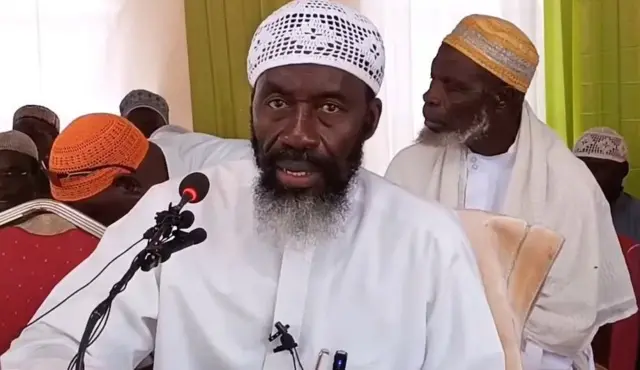
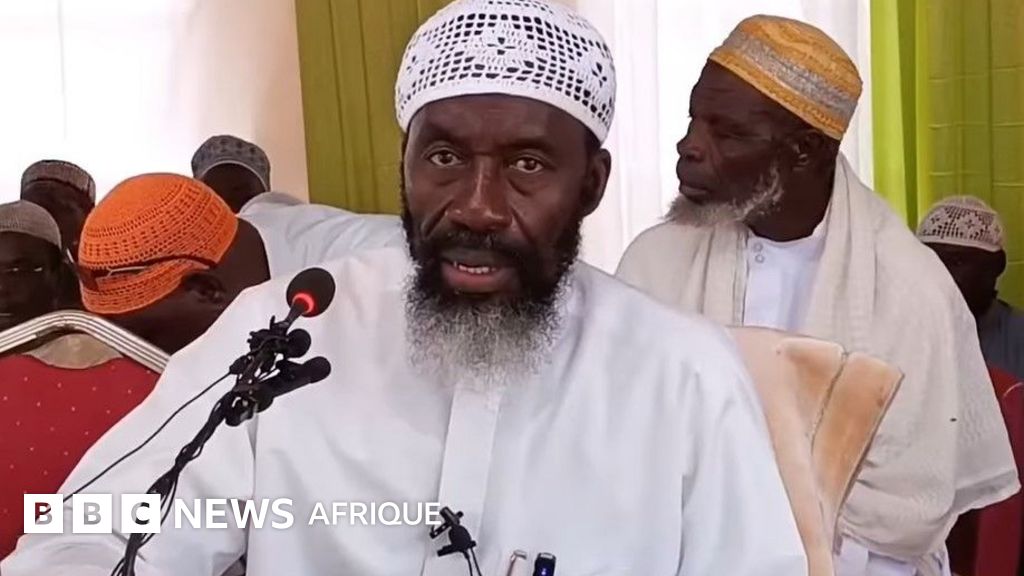
Photo credit: YouTube screenshot
The arrest of Mohamad Ishaq Kindo, a prominent Sunni imam and influential preacher in Burkina Faso, has sparked widespread debate. On May 26, security forces detained him in Ouagadougou, removing him to an undisclosed location. This action followed just two days after he publicly criticized a newly adopted religious freedom bill, drawing sharp reactions from both supporters and critics of the measure.
According to a statement released by the Federation of Islamic Associations of Burkina Faso (FAIB), Kindo was taken into custody “under circumstances whose official motives remain undisclosed.” The organization has since filed urgent appeals with relevant authorities, demanding transparency and a fair resolution to the case.
Forcible detention amid rising tensions
Witnesses described the arrest as aggressive, occurring around 2:00 PM local time—just one day before Eid al-Adha. Security personnel, including masked police and military officers, reportedly carried out the operation with significant force. A close associate present during the incident recounted, “The situation turned violent as supporters resisted, escalating tensions.” Another eyewitness confirmed that “several Muslim worshippers were injured during the confrontation.”
Days prior, a widely circulated video showed the imam delivering a sermon in which he condemned the March 19 religious freedom bill. He urged authorities to “reflect deeply on the consequences of their decisions before acting,” warning that no individual—regardless of status—could challenge divine will.
Public outcry and calls for calm
The arrest has ignited protests in Ouagadougou, with hundreds of demonstrators taking to the streets to demand Kindo’s release. Authorities dispersed the crowd using tear gas, while the FAIB issued a statement urging calm among the Muslim community, urging patience and restraint.
Meanwhile, Burkina Faso’s leader marked Eid al-Adha with a strong message on social media. Praising security forces for their fight against jihadist groups, he cautioned against any attempts to undermine national stability. “Those who seek to disrupt peace or discourage our defenders must be prepared to face full accountability,” he declared. To date, no official statement has addressed the imam’s detention directly.
New religious freedom law under scrutiny
The controversial bill, adopted by the Council of Ministers on March 19, aims to regulate religious practices to curb extremism and online hate speech. Mariem Sanogo, Director General of Religious, Customary, and Traditional Affairs, defended the law, stating it was updated to address “radicalization, violent extremism, and discourteous online speech.” She emphasized that the revised text seeks to strengthen national cohesion by preventing abuses.
The legislation prohibits the construction of places of worship in public institutions, with limited exceptions for health facilities, prisons, and military barracks. Authorities clarified that public prayer remains permitted, provided it respects others’ beliefs. This approach reflects Burkina Faso’s longstanding secular governance, ensuring equal treatment across religious groups.
Since the military takeover led by Captain Ibrahim Traoré nearly four years ago, the country has seen a tightening of restrictions under the pretext of combating jihadist violence. Observers note this arrest follows a pattern of silencing dissenting voices in the name of national security.